When it comes to garden pond installation, one of the most critical factors to consider is the pH level of the water. The pH scale, which ranges from 0 to 14, measures how acidic or alkaline a solution is, with 7 being neutral. For a thriving pond ecosystem, maintaining a pH level between 6.5 and 8.5 is generally recommended. This range not only supports the health of aquatic plants and fish but also ensures that beneficial bacteria can thrive, contributing to a balanced ecosystem. The importance of pH in garden ponds cannot be overstated.
A stable pH level helps prevent harmful fluctuations that can stress aquatic life. For instance, if the pH drops too low, it can lead to increased toxicity of certain substances in the water, while a high pH can hinder nutrient absorption for plants. Both scenarios can result in poor water quality, which ultimately affects the overall health of your pond. Moreover, understanding the water quality in your garden pond goes beyond just measuring pH. It involves monitoring other parameters such as ammonia, nitrites, and nitrates.
However, pH serves as a foundational element that influences these other factors. By prioritizing the right pH level during your garden pond installation, you set the stage for a vibrant aquatic environment where fish can thrive and plants can flourish.
What is pH and How is it Measured?
pH
is a measure of how acidic or basic a solution is, specifically in terms of the concentration of hydrogen ions present. The pH scale ranges from 0 to 14, with 7 being considered neutral. Values below 7 indicate acidity, while values above 7 indicate alkalinity.
Understanding pH is crucial for garden pond installation, as it directly affects the health of aquatic life and the overall ecosystem.The pH scale is logarithmic, meaning that each whole number change on the scale represents a tenfold change in acidity or alkalinity. For example, a pH of 6 is ten times more acidic than a pH of 7.This scale helps gardeners and pond enthusiasts gauge the suitability of their water for fish, plants, and beneficial microorganisms.
How to Measure pH
Measuring the pH level of your garden pond water can be done using several methods:- pH Test Strips: These are simple to use and provide quick results. Just dip the strip into the water and compare the color change to a provided chart.
- Liquid Test Kits: These kits involve adding a reagent to a water sample, which changes color based on the pH level. They are generally more accurate than test strips.
- Digital pH Meters: For those seeking precision, digital meters offer an electronic reading of pH levels.
They require calibration but provide reliable results.
Ideal pH Levels for Garden Ponds
When it comes to garden pond installation, understanding the ideal pH level is crucial for creating a thriving aquatic ecosystem. The optimal pH range for most garden ponds is typically between 6.5 and 8.5.This range supports the health of both fish and aquatic plants, ensuring a balanced environment.
Why is pH Important?
- Fish Health: Fish are sensitive to pH fluctuations. A stable pH within the ideal range helps prevent stress and promotes healthy growth.
- Plant Growth: Aquatic plants thrive in a balanced pH environment, which aids in nutrient absorption and overall vitality.
- Algae Control: Maintaining the right pH can help control algae growth, which can otherwise disrupt the pond's ecosystem.
- Test Your Water: Regularly test the water using a reliable pH testing kit to monitor changes.
- Add Natural Buffers: Incorporate materials like limestone or crushed coral to help stabilize pH levels naturally.
- Avoid Chemical Additives: Limit the use of chemical treatments that can cause sudden shifts in pH, which can be harmful to aquatic life.
Factors Affecting pH Levels in Garden Ponds
The pH level of a garden pond is influenced by a variety of factors, both natural and human-induced. Understanding these factors is crucial for maintaining a healthy aquatic environment.- Water Source: The source of water used to fill the pond can significantly affect its pH.
For instance, well water may have a different pH compared to rainwater or municipal water. Testing the water before garden pond installation can help determine its initial pH level.
- Organic Matter: The decomposition of organic materials such as leaves, fish waste, and uneaten food can lead to fluctuations in pH. As these materials break down, they release acids that can lower the pH level.
- Algae Growth: Algae blooms are common in garden ponds and can impact pH levels. During the day, algae consume carbon dioxide and release oxygen, which can raise the pH.
However, at night, they reverse this process, potentially lowering the pH.
- Plants: Aquatic plants play a dual role in influencing pH levels. While they absorb nutrients and carbon dioxide during photosynthesis, their decay can contribute to acidification. Maintaining a balanced plant population is essential for stable pH levels.
- Environmental Factors: Seasonal changes and weather conditions can also affect pond chemistry. Rainfall can dilute pond water and alter its pH, while evaporation may concentrate minerals and increase alkalinity.
If adjustments are needed, there are several methods to change the pond's pH:
- To Raise pH: Adding lime or baking soda can help increase alkalinity and raise the pH level.
- To Lower pH: Adding peat moss or using commercial pH reducers can effectively lower the pH.
How to Test and Adjust the pH Level in Your Garden Pond
Maintaining the right pH level in your garden pond is crucial for the health of aquatic life and the overall ecosystem. Here’s how to effectively test and adjust the pH levels in your pond.How to Test Pond Water
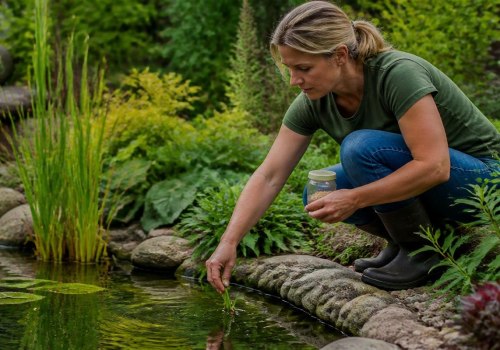
To begin, you’ll need a reliable pH testing kit, which can be purchased at garden centers or online. Follow these steps:- Collect a Water Sample: Use a clean container to collect water from about 12 inches below the surface of your pond. This depth provides a more accurate representation of the water's chemistry.
- Follow Kit Instructions: Each testing kit will have specific instructions.
Generally, you’ll add a few drops of the testing solution to your water sample and compare the resulting color to the provided chart.
- Record Your Results: Note the pH level. Ideally, garden ponds should maintain a pH between 6.5 and 8.5.
Adjusting Pond pH
If your test indicates that the pH level is outside this range, adjustments are necessary:- To Lower pH: You can use products like sodium bisulfate or vinegar. Start with small amounts and retest after 24 hours.
- To Raise pH: Adding baking soda or lime can help increase pH levels. Again, introduce these gradually and monitor changes.
Garden Pond Care Tips:
- Avoid sudden changes in pH, as this can stress fish and plants.
- Regularly test your pond water, especially during seasonal changes.
- Add aquatic plants that naturally help stabilize pH levels.
Common Problems Associated with Improper pH Levels
Maintaining the correct pH level in your garden pond is crucial for the health of aquatic life.Improper pH levels can lead to a variety of problems that not only affect fish and plants but also the overall ecosystem of the pond.
Problems with High Pond pH
A high pH level, typically above 8.5, can create an environment that is detrimental to many species of fish and aquatic plants. Some common issues include:- Algae Blooms: Elevated pH levels can encourage excessive algae growth, leading to poor water quality and reduced oxygen levels.
- Toxicity: Certain fish species may experience stress or toxicity due to high pH, which can lead to health problems or even death.
- Nutrient Imbalance: High pH can hinder the availability of essential nutrients, affecting plant growth and overall pond health.
Problems with Low Pond pH
Conversely, a low pH level, generally below 6.5, poses its own set of challenges:- Fish Stress: Low pH can cause stress in fish, making them more susceptible to diseases and parasites.
- Corrosion: Acidic water can corrode pond equipment and structures, leading to costly repairs.
- Reduced Biodiversity: Many aquatic organisms struggle to survive in acidic conditions, leading to a decline in biodiversity.
FAQs About Garden Pond pH Levels
Understanding the ideal pH level for your garden pond is crucial for maintaining a healthy aquatic environment.Here are some frequently asked questions that can help clarify common misconceptions about pond pH levels.
- What is the ideal pH level for a garden pond?
The ideal pH level for most garden ponds typically ranges from 6.5 to 8.5. This range supports a balanced ecosystem, promoting the health of fish and aquatic plants. - Can pH levels fluctuate in a garden pond?
Yes, pH levels can fluctuate due to various factors such as rainfall, evaporation, and the decomposition of organic matter. Regular monitoring is essential to maintain stability. - How does pH affect fish and plants?
Fish and plants have specific pH preferences. A sudden change in pH can stress fish and inhibit plant growth, leading to an unhealthy pond environment. - Are there misconceptions about pH testing?
Many believe that testing pH is only necessary during the initial setup of the pond.In reality, regular testing is vital to ensure ongoing water quality.
- What are common methods to adjust pH levels?
To raise pH, you can add lime, while substances like sulfur can lower it. Always make adjustments gradually to avoid shocking your aquatic life.
Conclusion: Maintaining the Right pH for a Thriving Garden Pond
In conclusion, maintaining the right pH level is crucial for the health and vitality of your garden pond. As we have discussed, the ideal pH range for most garden ponds is between 6.5 and 8.5.This range supports a balanced ecosystem, promoting the growth of beneficial bacteria while preventing harmful algae blooms.Regular monitoring of your pond's pH is essential, especially during seasonal changes or after heavy rainfall, which can alter the water chemistry.Here are some key takeaways to ensure your garden pond thrives:
- Test Regularly: Use a reliable pH testing kit to check your pond's water at least once a month.
- Adjust as Needed: If your pH levels fall outside the ideal range, consider using natural methods such as adding peat moss to lower pH or lime to raise it.
- Avoid Chemical Treatments: Whenever possible, opt for organic solutions to maintain water quality without introducing harmful substances.
- Monitor Fish and Plant Health: Keep an eye on your aquatic life; signs of stress can indicate pH imbalances.