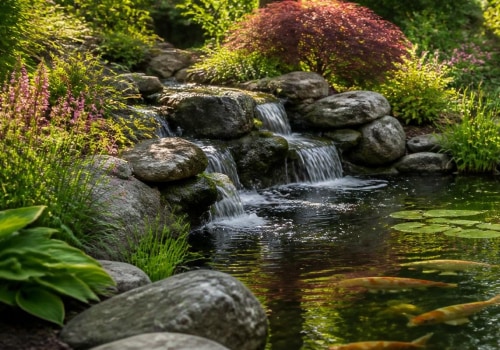
Creating a garden pond can transform your outdoor space into a serene oasis, offering both aesthetic appeal and a habitat for local wildlife. The process of garden pond installation not only enhances the beauty of your landscape but also provides a tranquil retreat where you can unwind and connect with nature. However, embarking on this rewarding project requires careful planning and the right set of tools to ensure a successful outcome. Before diving into the installation process, it's essential to understand the various tools needed for pond installation. From excavation equipment to pond liners and pumps, each tool plays a crucial role in bringing your vision to life.
Having the appropriate tools at your disposal not only streamlines the installation process but also minimizes potential setbacks that could arise from using inadequate equipment. In this guide, we will explore the essential tools for garden pond installation, providing you with insights that will help you prepare effectively. Whether you're a seasoned gardener or a novice looking to enhance your backyard, understanding these tools will empower you to create a stunning pond that complements your garden while fostering an inviting environment for wildlife.
Essential Tools for Garden Pond Installation
When embarking on a garden pond installation, having the right tools is crucial for a successful project. Below is a comprehensive list of essential tools that will help you create your dream pond efficiently and effectively.- Shovel: A sturdy shovel is necessary for digging the pond's shape and depth. Opt for a spade shovel for precise edges.
- Pickaxe: If your soil is particularly hard or rocky, a pickaxe can help break up tough ground.
- Garden Rake: Use a garden rake to level the soil around the pond area and remove debris.
- Level: A level ensures that your pond is even, which is essential for proper water flow and aesthetics.
- Measuring Tape: Accurate measurements are vital for planning the size and shape of your pond.
A measuring tape will help you achieve this.
- Pond Liner: While not a tool, selecting the right pond liner is critical. Ensure you have a durable liner that fits your pond's dimensions.
- Utility Knife: This tool is useful for cutting the pond liner and any other materials you may need to adjust during installation.
- Water Pump: If you plan to include a fountain or waterfall, a water pump will be necessary to circulate water effectively.
- Hose: A garden hose will help fill your pond with water once installation is complete.
- Gloves: Protect your hands while working with soil, rocks, and other materials by wearing durable gardening gloves.
Excavation Tools: Preparing the Site
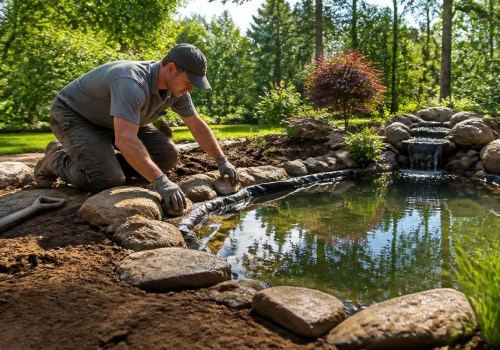
When it comes to garden pond installation, the first step is preparing the site, which requires the right excavation tools. Proper excavation is crucial for creating a stable foundation for your pond, ensuring that it holds water effectively and maintains its shape over time.Here are some essential excavation tools you will need:- Shovel: A sturdy shovel is indispensable for digging out the pond area.
Look for a round-point shovel, which is ideal for breaking up soil and moving it efficiently.
- Spade: A spade is particularly useful for edging and creating clean lines around the pond. Its flat blade allows for precise cuts in the soil.
- Pickaxe: If your soil is rocky or compacted, a pickaxe can help break through tough ground. This tool is especially beneficial in areas where roots or stones may obstruct your digging.
- Garden Fork: A garden fork can be used to loosen soil before digging with a shovel or spade. It’s also helpful for aerating the soil if you plan to amend it later.
- Wheelbarrow: Once you start excavating, you’ll need a way to transport the removed soil.
A wheelbarrow makes this task much easier and more efficient.
Liner Installation Tools: Ensuring Waterproofing
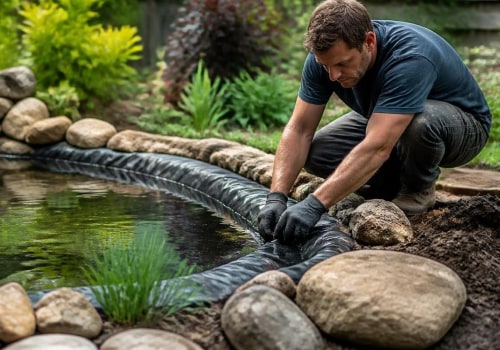
When it comes to garden pond installation, ensuring that your pond liner is properly installed is crucial for preventing leaks and maintaining a healthy aquatic environment. The right tools can make all the difference in achieving a successful installation.- Utility Knife: A sharp utility knife is essential for cutting the pond liner to the desired size.
Make sure to use a blade that is sharp enough to create clean cuts, as jagged edges can lead to potential leaks.
- Seam Tape: If your pond liner requires seams, using high-quality seam tape is vital. This tape is designed specifically for pond liners and provides a waterproof seal that prevents water from escaping through the joints.
- Measuring Tape: Accurate measurements are key in pond liner installation. A measuring tape will help you determine the correct dimensions of your pond, ensuring that the liner fits perfectly without excess material.
- Shovel and Rake: Before laying down the liner, you’ll need to prepare the pond area. A shovel and rake will help you create a smooth, even surface, which is essential for proper liner placement.
- Gloves: Wearing gloves protects your hands while handling heavy materials and sharp tools.
They also help prevent any damage to the liner during installation.
Water Feature Tools: Adding Aesthetic Elements
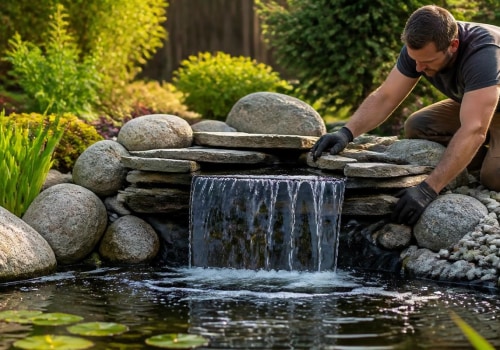
When it comes to garden pond installation, incorporating water features like fountains or waterfalls can significantly enhance the visual appeal of your outdoor space. To achieve this, having the right tools is essential.Below are some key tools you will need for installing these aesthetic elements.
- Pond Liner : A durable pond liner is crucial for creating a waterproof barrier. It ensures that water stays in your pond and can also be shaped to accommodate various water features.
- Water Pump : A reliable water pump is necessary for circulating water in fountains and waterfalls. Choose a pump that matches the size of your feature to ensure optimal performance.
- Hoses and Fittings : Flexible hoses are needed to connect the pump to the fountain or waterfall. Make sure to have various fittings on hand to accommodate different sizes and shapes.
- Filter System : A good filtration system helps maintain clean water, which is vital for both the health of aquatic life and the aesthetics of your pond.
- Water Feature Kits : Many suppliers offer complete kits that include everything from pumps to decorative stones, making installation easier and more efficient.
- Tools for Excavation : Shovels, spades, and trowels will be necessary for digging out the area where your pond and water features will be installed.
- Leveling Tools : To ensure that your water features are installed correctly, use a level to check that surfaces are even.
This is particularly important for waterfalls to prevent water from spilling over uneven edges.
Filtration and Pumping Equipment: Maintaining Water Quality
When it comes to garden pond installation, ensuring the health of your aquatic ecosystem is paramount. This is where filtration and pumping equipment come into play. Proper filtration helps maintain clear water and supports the overall health of fish and plants.Pond Filtration Tools
- Mechanical Filters: These filters physically remove debris and particles from the water.
They are essential for keeping your pond clean and clear.
- Biosfilters: These filters use beneficial bacteria to break down harmful substances in the water, promoting a balanced ecosystem.
- UV Clarifiers: Ultraviolet clarifiers help eliminate algae blooms by exposing water to UV light, which kills algae spores without harming fish or plants.
Water Pump Installation for Ponds
A reliable water pump is crucial for maintaining circulation in your pond. It not only helps in filtering but also aids in oxygenating the water, which is vital for fish survival.- Submersible Pumps: These pumps are placed underwater and are ideal for smaller ponds. They are easy to install and maintain.
- External Pumps: Suitable for larger ponds, these pumps are installed outside the water and can handle higher flow rates, making them perfect for extensive filtration systems.
- Solar Pumps: For an eco-friendly option, solar-powered pumps can be a great choice, especially in sunny areas.
Regular maintenance of both pumps and filters will ensure that your garden pond remains a vibrant habitat for aquatic life.
Landscaping Tools: Finishing Touches Around Your Pond
Creating a stunning landscape around your garden pond installation requires the right tools to ensure that every detail is attended to. The finishing touches can significantly enhance the overall aesthetic and functionality of your pond area.Essential Landscaping Tools
- Rake: A sturdy rake is essential for leveling the soil and removing debris from the area surrounding your pond. It helps create a clean and inviting space for planting.
- Trowel: This small hand tool is perfect for digging holes for plants or adjusting the soil around your pond. A trowel allows for precision work, ensuring that your plants are placed exactly where you want them.
- Shovel: For larger landscaping projects, a shovel is invaluable.
It can help you move soil, create planting beds, or even assist in shaping the landscape around your pond.
- Pruning Shears: Keeping the plants around your pond well-maintained is crucial. Pruning shears allow you to trim back overgrown foliage and shape plants to enhance visibility and access to your pond.
- Garden Hose: A flexible garden hose is useful not only for watering plants but also for outlining where you want pathways or flower beds around your pond.
Finishing Touches
Once you've installed your pond and planted surrounding flora, consider adding decorative elements such as rocks, gravel, or mulch. These materials not only improve drainage but also add texture and visual interest to your landscape. Using a wheelbarrow can make transporting these materials easier, allowing you to create a cohesive look around your garden pond.Finally, don’t forget about lighting! Installing solar lights or lanterns can enhance the ambiance of your garden pond during the evening hours, making it a beautiful focal point even after sunset.By utilizing these landscaping tools, you can ensure that your garden pond installation not only serves as a tranquil water feature but also as an integral part of a beautifully designed outdoor space.Safety Gear: Protecting Yourself During Installation
When embarking on garden pond installation, ensuring your safety should be a top priority.The process can involve heavy lifting, digging, and working with various tools, making it essential to equip yourself with the right safety gear.
- Gloves: A sturdy pair of gloves is crucial for protecting your hands from cuts, scrapes, and blisters. Look for gloves that offer both grip and durability, especially if you’ll be handling rocks or sharp tools.
- Knee Pads: Installing a pond often requires kneeling for extended periods. Invest in comfortable knee pads to prevent strain and injury to your knees.
- Safety Goggles: If you’re using power tools or working with materials that could produce debris, wearing safety goggles will protect your eyes from potential hazards.
- Sturdy Footwear: Opt for closed-toe shoes or boots with good traction. This will help prevent slips and provide support while navigating uneven terrain around your garden.
- Sun Protection: Don’t forget about sun safety! Wear a wide-brimmed hat and apply sunscreen to protect your skin from harmful UV rays during long hours outdoors.
Remember, taking the time to prepare properly not only protects you but also enhances the overall efficiency of your project.
FAQs About Garden Pond Installation Tools
When embarking on garden pond installation, many homeowners have questions about the necessary tools. Here are some frequently asked questions that can help clarify your doubts:What basic tools do I need for garden pond installation?
For a successful pond installation, you will typically need:- Shovel: Essential for digging the pond area.
- Rake: Useful for leveling the ground and removing debris.
- Garden hose: Helps in outlining the shape of your pond before digging.
- Pond liner: A crucial component to hold water and prevent leaks.
- Water pump: Necessary for circulation and maintaining water quality.
- Filter system: Important for keeping the pond clean and healthy.
Do I need specialized tools for larger ponds?
If you're planning a larger pond, consider investing in additional tools such as:- Excavator or backhoe: For digging deeper areas efficiently.
- Leveling tool: Ensures that the pond is even, which is vital for aesthetics and functionality.
- Pond skimmer: Helps in removing debris from the water surface.
Can I rent tools instead of buying them?
Absolutely! Renting tools can be a cost-effective solution, especially if you only plan to install a pond once. Many local hardware stores offer rental services for larger equipment like excavators and backhoes.What safety equipment should I consider?
Safety is paramount during any installation project. Ensure you have:- Gloves: Protect your hands from sharp objects and chemicals.
- Safety goggles: Shield your eyes from dust and debris.
- Sturdy footwear: Provides support and protection while working on uneven terrain.
Conclusion: Your Path to a Beautiful Garden Pond
In conclusion, embarking on your garden pond installation journey requires careful planning and the right set of tools.As we've discussed, having the appropriate equipment not only streamlines the process but also ensures that your pond is built to last and enhances the beauty of your garden. To recap, here are the essential tools you should consider:
- Shovel and Spade: For digging the pond and shaping its edges.
- Level: To ensure that your pond is even and properly aligned.
- Garden Hose: Useful for outlining the pond's shape before digging.
- Pond Liner: A critical component to prevent water leakage.
- Water Pump: Essential for maintaining water circulation and keeping your pond healthy.
- Filter System: Helps in keeping the water clean and clear.
- Rake: For clearing debris and smoothing out the pond's bottom.