Creating a serene and beautiful garden pond can transform your outdoor space into a tranquil oasis. The gentle sound of water, the vibrant colors of aquatic plants, and the presence of fish can enhance the aesthetic appeal of your garden while providing a habitat for local wildlife. However, many homeowners shy away from garden pond installation due to the perceived complexity and labor involved, particularly the need for extensive digging. Fortunately, innovative methods now allow you to install a pond without the hassle of traditional excavation. Understanding the various pond installation methods available is crucial for anyone looking to add this feature to their landscape.
From pre-formed pond liners to flexible pond kits, there are options that cater to different preferences and budgets. These methods not only simplify the installation process but also minimize disruption to your existing garden layout. By utilizing these techniques, you can create a stunning water feature that complements your garden's design without the need for heavy machinery or extensive labor. In this guide, we will explore how to install a garden pond without digging, highlighting the benefits of each method and providing practical tips to ensure your project is successful. Whether you're a seasoned gardener or a novice looking to enhance your outdoor space, understanding these installation techniques will empower you to create a beautiful pond that brings joy and tranquility for years to come.
Benefits of Installing a Garden Pond Without Digging
Installing a garden pond without digging offers numerous benefits that can enhance your outdoor space while minimizing labor and costs.Here are some key advantages:
- Cost-Effectiveness: Traditional pond installation often involves significant expenses related to excavation, materials, and labor. By opting for a no-dig pond installation, you can save on these costs, making it a budget-friendly option for homeowners.
- Ease of Installation: One of the most appealing aspects of a no-dig pond is the simplicity of the process. Many kits are available that allow you to set up your pond quickly and efficiently, often in just a few hours. This means you can enjoy your new garden feature without the hassle of extensive preparation.
- Environmental Benefits: A garden pond can attract beneficial wildlife, such as frogs, dragonflies, and birds, contributing to a healthier ecosystem in your backyard.
By installing a pond without digging, you minimize soil disruption, which helps preserve the natural habitat and promotes biodiversity.
- Flexibility in Design: No-dig ponds come in various shapes and sizes, allowing you to customize your garden feature to fit your landscape perfectly. This flexibility means you can create a unique focal point that complements your existing garden design.
- Less Maintenance: Without the need for extensive excavation, no-dig ponds often require less maintenance over time. The materials used in these installations are typically designed to withstand weather conditions, reducing the need for repairs or replacements.
Choosing the Right Location for Your Pond
When it comes to garden pond installation, selecting the right location is crucial for both aesthetic appeal and the health of your aquatic life.Here are some key considerations to keep in mind:
- Sunlight Exposure: Most aquatic plants thrive in sunlight, so choose a spot that receives at least 5-6 hours of direct sunlight each day. However, too much sun can lead to algae growth, so consider partial shade from nearby trees or structures.
- Accessibility: Ensure that your pond is easily accessible for maintenance tasks such as cleaning, feeding fish, and adding water treatments. A location near a pathway or patio can enhance your enjoyment of the pond.
- Aesthetics: Think about how the pond will fit into your overall landscape design. Position it where it can be viewed from your home or outdoor seating areas.
Consider the surrounding plants and flowers that will complement the pond.
- Drainage and Water Source: Avoid low-lying areas where water tends to collect, as this can lead to muddy conditions. Additionally, having a nearby water source can simplify filling and maintaining water levels in your pond.
- Wind Protection: Strong winds can disturb the surface of the pond and cool the water temperature, which may not be ideal for fish. Look for natural windbreaks like shrubs or fences that can help shield your pond.
Materials Needed for No-Dig Pond Installation
Installing a garden pond without digging is an innovative way to enhance your outdoor space while minimizing labor and disruption.To achieve this, you will need a variety of materials that cater to the unique requirements of a no-dig pond installation.
- Pond Liner: A high-quality pond liner is essential for creating a waterproof barrier. Look for durable materials such as EPDM or PVC that can withstand the elements and prevent leaks.
- Pre-formed Pond Shell: If you prefer a quicker setup, consider using a pre-formed pond shell. These come in various shapes and sizes, allowing you to choose one that fits your garden aesthetic.
- Underlayment: To protect your pond liner from punctures, an underlayment is crucial. This material provides an extra layer of protection against sharp rocks and roots.
- Water Pump: A water pump is necessary for maintaining circulation and aeration in your pond.
Choose a pump that suits the size of your pond and can handle the desired water flow.
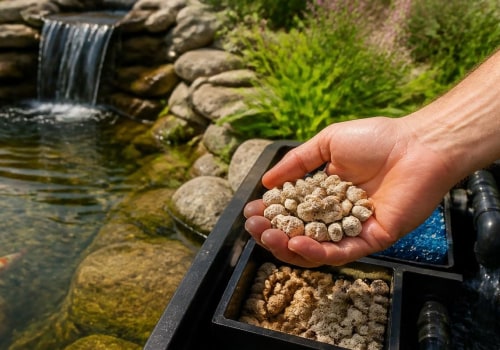
- Filtration System: To keep your pond clean and clear, invest in a filtration system. This will help remove debris and maintain water quality, ensuring a healthy environment for fish and plants.
- Decorative Elements: Enhance the visual appeal of your garden pond with decorative elements such as rocks, aquatic plants, and lighting. These not only beautify the space but also provide habitats for wildlife.
Step-by-Step Guide to Installing Your Garden Pond Without Digging
Installing a garden pond without digging is a fantastic way to enhance your outdoor space while minimizing labor and disruption.Follow this step-by-step guide to create your own beautiful pond.
- Choose the Right Location: Select a spot that receives partial sunlight and is away from overhanging trees to reduce debris. Ensure the area is level and has good drainage.
- Gather Your Materials: You will need a pre-formed pond liner or a flexible pond liner, pond pump, water plants, decorative stones, and a garden hose for shaping.
- Outline Your Pond Shape: Use a garden hose or rope to outline the desired shape of your pond on the ground. This will help visualize the size and design.
- Prepare the Base: Instead of digging, lay down a layer of sand or gravel where the pond will sit. This provides a stable base and helps with drainage.
- Install the Pond Liner: If using a pre-formed liner, place it directly onto the prepared base.
For flexible liners, unroll it over the sand or gravel and shape it according to your outline.
- Add Water: Fill the pond with water slowly to avoid disturbing the liner. Allow it to settle for 24 hours before proceeding.
- Incorporate Plants and Decorations: Add aquatic plants around the edges and place decorative stones to enhance aesthetics. Ensure that plants are suitable for your climate.
- Install a Pump: If you want moving water, install a pond pump according to the manufacturer’s instructions. This will help keep the water clean and oxygenated.
- Final Touches: Check for any leaks or adjustments needed.
Add fish if desired, but ensure that your pond is properly cycled first.
Adding Plants and Wildlife to Your Pond
Once your garden pond is installed, the next step is to enhance its beauty and ecological balance by adding plants and wildlife. Selecting the right plants is crucial for creating a thriving ecosystem that supports various forms of life.Selecting Pond Plants
When choosing pond plants, consider a mix of submerged, floating, and marginal plants. Each type plays a unique role in maintaining water quality and providing habitat:- Submerged plants: These plants, such as hornwort and elodea, oxygenate the water and provide shelter for fish and other aquatic creatures.
- Floating plants: Species like water lilies and duckweed offer shade, reducing algae growth while also providing cover for fish.
- Marginal plants: Plants such as cattails and iris grow at the water's edge, helping to stabilize the pond's banks and attract pollinators.
Introducing Wildlife
A well-planted pond naturally attracts a variety of wildlife.To encourage this, consider the following:
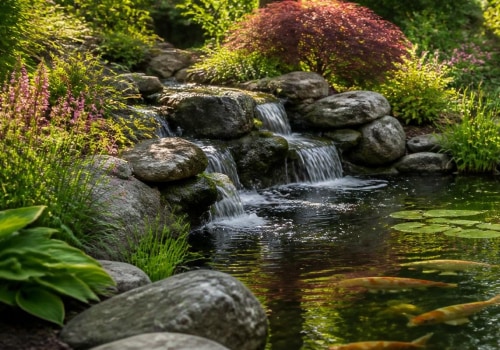
- Add fish: Introducing species like goldfish or koi can help control mosquito populations while adding visual interest.
- Create habitats: Incorporate rocks, logs, or aquatic structures to provide shelter for frogs, turtles, and beneficial insects.
- Encourage birds: Install bird feeders or baths nearby to attract birds that will help control pests around your pond.
Maintenance Tips for Your No-Dig Garden Pond
Maintaining a no-dig garden pond is essential for ensuring a thriving ecosystem that supports aquatic life and enhances your garden's beauty. Here are some maintenance tips to keep your pond healthy:- Regular Water Quality Checks: Test the water regularly for pH levels, ammonia, nitrites, and nitrates. Ideal pH levels for most garden ponds range from 6.5 to 8.5.Use water testing kits available at garden centers.
- Monitor Plant Growth: Aquatic plants play a crucial role in maintaining a balanced ecosystem.
Regularly trim back overgrown plants to prevent them from overshadowing others and to maintain proper oxygen levels in the water.
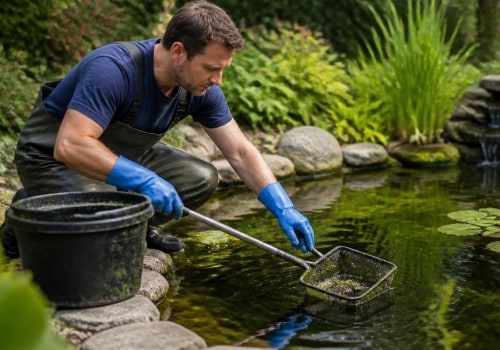
- Debris Removal: Remove fallen leaves, twigs, and other debris from the pond surface to prevent decay and algae growth. A skimmer net can be particularly useful for this task.
- Algae Control: While some algae are beneficial, excessive growth can harm your pond. Introduce natural algae-eating fish like goldfish or koi, and consider adding beneficial bacteria to help control algae levels.
- Seasonal Maintenance: In spring, clean the pond and check for any damage caused by winter weather. In fall, prepare your pond for winter by removing dead plants and ensuring that fish have adequate shelter.
Here are additional tips:
- Fish Care: If you have fish in your pond, feed them appropriately and monitor their health. Ensure that the water temperature is suitable for their species, especially during seasonal changes.
- Pond Aeration: Consider adding a fountain or aerator to increase oxygen levels in the water, which is vital for fish and beneficial bacteria.
- Regular Inspections: Periodically inspect the edges of your pond for any signs of erosion or damage to the liner. Addressing these issues promptly can prevent larger problems down the line.
Common Mistakes to Avoid When Installing a Garden Pond Without Digging
Installing a garden pond without digging can be a rewarding project, but it’s essential to avoid common mistakes that can lead to frustration and subpar results. Here are some pitfalls to watch out for:- Ignoring the Location: One of the most critical aspects of garden pond installation is choosing the right location.
Avoid placing your pond in areas with excessive sunlight or shade, as this can affect water temperature and algae growth.
- Neglecting Water Flow: Ensure that your pond has adequate water circulation. Failing to incorporate a pump or filter can lead to stagnant water, which is detrimental to fish and plants.
- Overlooking Liner Quality: When using a pre-formed pond liner, ensure it is made from durable materials. A low-quality liner can tear easily, leading to leaks and costly repairs.
- Underestimating Size: Many people make the mistake of installing a pond that is too small for their intended fish or plants. Research the space requirements for your aquatic life to avoid overcrowding.
- Forgetting About Maintenance: A no-dig pond still requires maintenance.
Plan for easy access to clean filters and remove debris regularly to keep your pond healthy.
Frequently Asked Questions About No-Dig Garden Ponds
Installing a garden pond without digging can raise several questions, especially for those new to this gardening trend. Below are some frequently asked questions that can help clarify common concerns and provide insights into the process.What materials do I need for a no-dig garden pond?
For a no-dig garden pond, you will typically need:- Pond liner: A flexible material that holds water and shapes the pond.
- Underlayment: To protect the liner from sharp objects and provide cushioning.
- Edging stones or bricks: To create a natural look and secure the liner in place.
- Water plants: Such as lilies or lotus to enhance aesthetics and provide habitat.
- Pond pump: If you plan to have a fountain or waterfall feature.
Can I install a no-dig pond on any surface?
While no-dig ponds are versatile, they work best on level ground. Avoid areas with heavy clay or rocky soil, as these can hinder proper drainage. Additionally, ensure the location receives adequate sunlight for plant growth.How do I troubleshoot common issues with my no-dig garden pond?
If you encounter problems with your no-dig garden pond, consider the following:- Water leakage: Check for punctures in the liner or improper sealing at the edges.
- Algae growth: Maintain proper water circulation and consider adding aquatic plants to balance nutrients.
- Pond depth: Ensure that your pond is deep enough to support fish during winter months if applicable.
Remember, proper planning and maintenance are key to ensuring your pond thrives!
Conclusion: Enjoying Your New Garden Pond Without the Hassle of Digging
In conclusion, installing a garden pond without the hassle of digging is not only feasible but also an enjoyable project that can enhance your outdoor space. By utilizing pre-formed pond liners or flexible pond kits, you can create a stunning water feature that adds tranquility and beauty to your garden.Throughout this guide, we explored various methods for garden pond installation that eliminate the need for extensive excavation. From selecting the right location to ensuring proper water circulation and filtration, each step is crucial for establishing a thriving aquatic environment.- Choose the Right Location: Ensure your pond receives adequate sunlight while being sheltered from strong winds.
- Select Quality Materials: Invest in durable liners and pumps to ensure longevity and ease of maintenance.
- Add Plants and Fish: Incorporate aquatic plants and fish to create a balanced ecosystem that enhances the aesthetic appeal.
Whether you choose to relax by the water's edge or host gatherings around your new feature, your garden pond will undoubtedly become a focal point of joy and serenity.Remember, maintaining your pond is key to its success. Regularly check water levels, clean filters, and monitor plant health to ensure a vibrant aquatic habitat. With these simple steps, you can enjoy the beauty of your garden pond for years to come!.