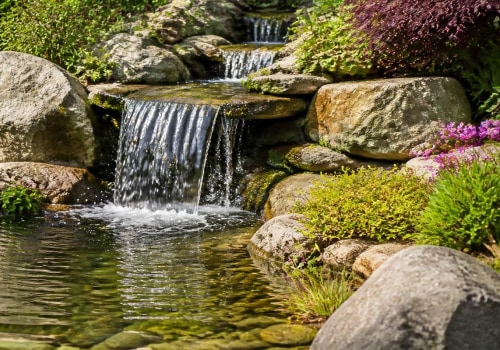
When it comes to garden pond installation, one of the most critical aspects to consider is the importance of pond filtration. A well-designed filtration system not only keeps the water clear and free from debris but also plays a vital role in maintaining a balanced ecosystem. Without proper filtration, ponds can quickly become breeding grounds for algae and harmful bacteria, which can jeopardize the health of aquatic life and diminish the overall beauty of your garden. Effective pond filtration contributes significantly to the health of your pond. It helps to remove excess nutrients that can lead to algae blooms, ensuring that fish and plants thrive in a clean environment.
Moreover, a good filtration system can enhance the aesthetic appeal of your garden pond by keeping the water crystal clear, allowing you to enjoy the vibrant colors of your fish and the delicate beauty of aquatic plants. This not only creates a serene atmosphere but also attracts wildlife, adding to the biodiversity of your garden. In summary, understanding the significance of pond filtration is essential for anyone considering garden pond installation. By investing in a quality filtration system, you are not just ensuring a healthy habitat for fish and plants; you are also enhancing the visual charm of your outdoor space. A well-maintained pond can serve as a stunning focal point in your garden, providing enjoyment for years to come.
Types of Pond Filters: Which One is Right for You?
When it comes to garden pond installation, selecting the right type of pond filter is crucial for maintaining a healthy aquatic environment.There are three primary types of pond filters: mechanical, biological, and chemical. Each type serves a unique purpose and has its own advantages and disadvantages.
Mechanical Filters
Mechanical filters are designed to physically remove debris and particles from the water. They typically use a mesh or foam material to trap leaves, dirt, and other solids. This type of filtration is essential for keeping the water clear and preventing clogging in other filtration systems.- Pros: Effective at removing visible debris; easy to clean and maintain.
- Cons: Does not address dissolved contaminants; may require frequent cleaning.
Biological Filters
Biological filters utilize beneficial bacteria to break down harmful substances like ammonia and nitrites, which can be toxic to fish.These filters create a habitat for these bacteria, allowing them to thrive and effectively purify the water.
- Pros: Essential for maintaining water quality; supports fish health.
- Cons: Slower to establish; may require additional maintenance during startup.
Chemical Filters
Chemical filters use activated carbon or other media to remove impurities from the water, including odors, discoloration, and harmful chemicals. They are often used in conjunction with mechanical and biological filters for comprehensive filtration.- Pros: Effective at removing dissolved contaminants; improves water clarity.
- Cons: Requires regular replacement of filter media; may not be sufficient alone.
Key Factors to Consider When Choosing a Pond Filter
When it comes to garden pond installation, selecting the right filter is crucial for maintaining a healthy aquatic environment.Several key factors should be considered to ensure that your pond filter meets the specific needs of your pond.
- Pond Size: The size of your pond is one of the most significant factors in choosing a filter. Larger ponds require more powerful filtration systems to effectively manage water quality. As a general rule, the filter's capacity should be able to handle at least one gallon of water per hour for every gallon in your pond.
- Fish Population: If your pond houses fish, particularly larger species or a high population density, you will need a more robust filtration system. Fish produce waste, which can quickly degrade water quality.
Consider filters that offer biological filtration to break down harmful substances.
- Plant Life: The presence of aquatic plants can influence your filtration choice as well. Plants help absorb nutrients and can reduce algae growth, but they also require a balanced ecosystem. A filter that supports both fish and plant life will help maintain this balance.
- Type of Filter: There are various types of filters available, including mechanical, biological, and UV filters. Mechanical filters remove debris, biological filters promote beneficial bacteria growth, and UV filters help control algae and pathogens.
Depending on your pond's specific needs, you may want to combine different types for optimal results.
Step-by-Step Guide to Installing Your Pond Filter
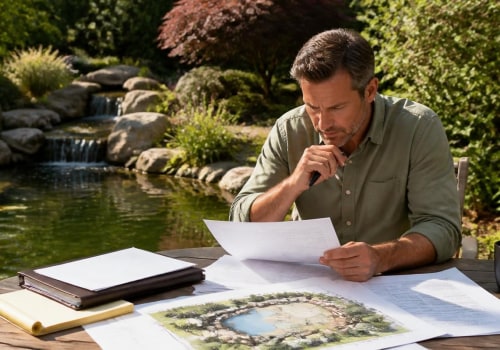
Installing a pond filter is a crucial step in ensuring the health and clarity of your garden pond. Follow this step-by-step guide to effectively set up your pond filter and maintain a thriving aquatic environment.- Choose the Right Filter: Before installation, select a filter that suits the size and type of your pond. Consider factors such as the pond's volume, fish load, and plant life.
A good rule of thumb is to choose a filter rated for at least twice the volume of your pond.
- Gather Necessary Tools: Ensure you have all required tools on hand, including a shovel, hose, level, and any specific tools recommended by the filter manufacturer.
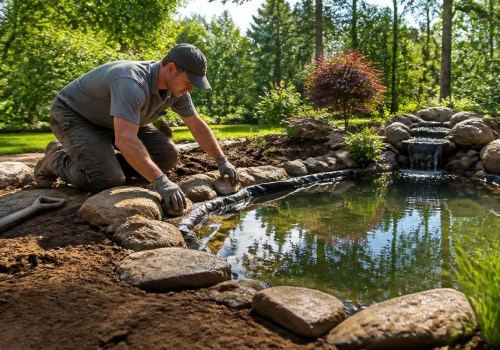
- Prepare the Site: Identify an appropriate location for your filter. It should be easily accessible for maintenance but also positioned to minimize visibility. Clear any debris and level the ground where the filter will sit.
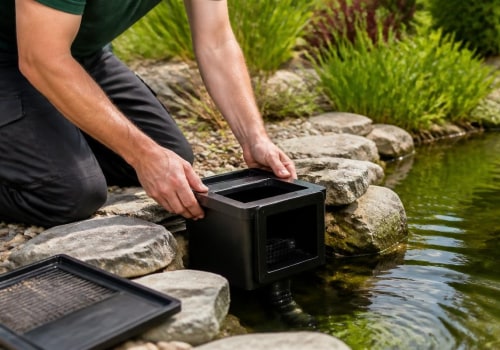
- Install the Filter: Follow the manufacturer’s instructions carefully. Typically, this involves placing the filter in its designated spot and connecting it to your pond's water source.
Make sure all connections are secure to prevent leaks.
- Add Media: Depending on your filter type, you may need to add filtration media such as foam pads or bio-balls. These materials help in breaking down harmful substances in the water.
- Connect Pump and Hoses: Attach the pump to the filter using hoses. Ensure that the hoses are tightly secured to avoid any water loss. Position the pump at the deepest part of your pond for optimal water circulation.
- Test Your Setup: Once everything is connected, turn on the pump and check for proper water flow through the filter.
Look for any leaks or unusual noises that may indicate an issue with installation.
- Monitor Performance: After installation, monitor your pond's water quality regularly. Adjustments may be necessary based on fish load and plant growth. Regular maintenance will ensure your filter operates efficiently.
Maintaining Your Pond Filter for Longevity and Efficiency
Maintaining your pond filter is crucial for ensuring the longevity and efficiency of your garden pond installation.A well-maintained filter not only keeps the water clean but also supports the overall health of your pond ecosystem. Here are some essential maintenance routines to consider:
- Regular Inspections: Check your pond filter at least once a month. Look for any signs of wear or damage, such as cracks in the housing or clogged filter media.
- Cleaning the Filter Media: Depending on the type of filter you have, cleaning the filter media is vital. For mechanical filters, rinse the media in pond water to remove debris without killing beneficial bacteria.
- Checking Pump Functionality: Ensure that your pump is operating efficiently.
A malfunctioning pump can lead to inadequate filtration and poor water quality.
- Replacing Filter Media: Over time, filter media can become less effective. Replace it according to the manufacturer's recommendations or when you notice a decline in performance.
- Seasonal Maintenance: Before winter, perform a thorough cleaning and check all components. In colder climates, consider removing the filter to prevent damage from freezing temperatures.
This will help you determine if your filter is functioning properly or if adjustments are needed.By implementing these maintenance tips, you can ensure that your garden pond filter remains in optimal condition, contributing to a vibrant and healthy aquatic environment.
Common Problems with Pond Filters and How to Troubleshoot Them
When it comes to garden pond installation, ensuring that your pond filter operates efficiently is crucial for maintaining a healthy aquatic environment. However, various issues can arise with pond filters, leading to potential problems in your garden pond. Here are some common problems and troubleshooting tips to help you resolve them.- Clogged Filter Media: One of the most frequent issues is clogged filter media, which can reduce water flow and filtration efficiency. Regularly check and clean the filter media according to the manufacturer's instructions.
If the clog persists, consider replacing the media.
- Pump Failure: If your pond pump stops working, it can lead to stagnant water and poor filtration. Check for any blockages in the pump intake or impeller. Ensure that the pump is properly plugged in and functioning. If it still doesn’t work, it may need repair or replacement.
- Insufficient Water Flow: Low water flow can indicate a problem with the filter or pump.
Inspect hoses for kinks or leaks and ensure that all connections are secure. Adjust the flow rate settings if applicable.
- Algae Growth: Excessive algae can indicate poor filtration or nutrient imbalance. To combat this, increase the frequency of filter cleaning and consider adding aquatic plants that compete with algae for nutrients.
- Unpleasant Odors: Foul smells can signal decaying organic matter in the filter or pond. Regular maintenance, including removing debris and performing partial water changes, can help mitigate this issue.
Regular maintenance and monitoring will not only enhance the performance of your pond filter but also contribute to a thriving garden pond ecosystem.
FAQs About Garden Pond Filtration Systems
When considering garden pond installation, many homeowners have questions about the best filtration systems to maintain a healthy aquatic environment. Here are some frequently asked questions regarding pond filtration:What is the purpose of a pond filtration system?
A pond filtration system is essential for keeping the water clean and clear. It helps remove debris, excess nutrients, and harmful bacteria, ensuring a balanced ecosystem for fish and plants.How do I choose the right filter for my garden pond?
Choosing the right filter depends on several factors:- Pond size: Larger ponds require more powerful filters.
- Fish population: More fish produce more waste, necessitating a stronger filtration system.
- Type of plants: Some plants can help with natural filtration, influencing your choice.
What are the different types of pond filters?
There are several types of filters available:- Mechanical filters: These remove physical debris from the water.
- Bacterial filters: These use beneficial bacteria to break down waste products.
- UV clarifiers: These eliminate algae and improve water clarity by using ultraviolet light.
How often should I clean my pond filter?
The frequency of cleaning your pond filter depends on its type and the pond's conditions. Generally, it’s advisable to check and clean your filter every 2-4 weeks during peak seasons.Regular maintenance ensures optimal performance and prolongs the life of your filtration system.
Can I install a filtration system myself?
Yes, many homeowners opt for DIY installation of their pond filtration systems. However, it’s crucial to follow the manufacturer’s instructions carefully. If you’re unsure or if your pond is particularly large or complex, consider hiring a professional to ensure proper installation.Understanding these common questions about garden pond installation and filtration systems can help you make informed decisions that contribute to a thriving aquatic environment.Conclusion: Ensuring a Healthy Garden Pond Through Effective Filtration
In conclusion, ensuring a healthy garden pond through effective filtration is crucial for maintaining a balanced ecosystem. Proper garden pond installation involves not only the aesthetic placement of water features but also the strategic implementation of filtration systems that cater to the specific needs of your pond. Throughout this article, we have explored various filtration methods, including mechanical, biological, and chemical filtration.Each method plays a vital role in keeping the water clear and free from harmful toxins. Here are some key takeaways:
- Mechanical Filtration: This method removes debris and particulate matter from the water, preventing buildup that can harm aquatic life.
- Biological Filtration: Beneficial bacteria break down harmful substances, converting ammonia and nitrites into less toxic nitrates, which are essential for plant growth.
- Chemical Filtration: Activated carbon and other chemical agents can help eliminate odors and discoloration, ensuring that your pond remains visually appealing.
A well-filtered pond not only enhances the beauty of your garden but also supports a thriving habitat for fish and plants. By prioritizing effective filtration, you can enjoy a serene and vibrant garden pond for years to come.