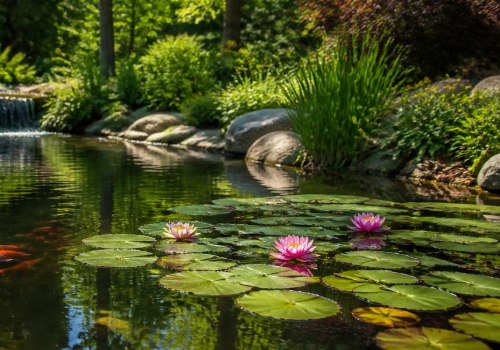
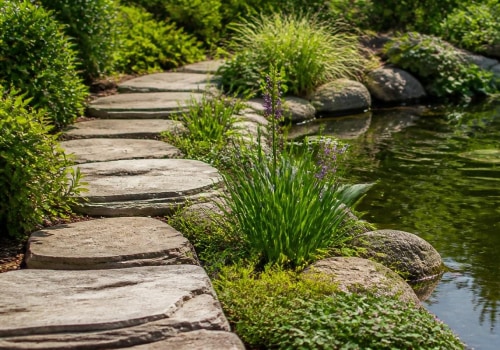
Installing a garden pond in your small yard can transform an ordinary outdoor space into a serene oasis. The aesthetic appeal of a pond is undeniable; it adds a focal point that draws the eye and enhances the overall beauty of your garden. With the gentle sound of water flowing and the vibrant colors of aquatic plants, a garden pond creates a tranquil atmosphere that invites relaxation and contemplation. Beyond its visual charm, a garden pond serves as a habitat for various forms of wildlife. Birds, frogs, and beneficial insects are naturally attracted to water features, promoting biodiversity in your yard.
This not only enriches your garden's ecosystem but also provides opportunities for observation and enjoyment of nature right at your doorstep. Imagine sipping your morning coffee while watching dragonflies dance above the water or listening to the soothing croaks of frogs as evening falls. Moreover, the installation of a garden pond can significantly increase the value of your property. Homebuyers often seek unique features that set a home apart from others on the market, and a well-maintained pond can be a major selling point. Additionally, ponds can serve practical purposes, such as irrigation for surrounding plants or even as a natural filtration system that helps maintain water quality. In summary, the benefits of garden pond installation extend far beyond mere aesthetics.
From attracting wildlife to enhancing property value and providing a peaceful retreat, a garden pond is an investment that pays dividends in beauty and tranquility.
Planning Your Garden Pond Installation
When it comes to garden pond installation, careful planning is essential, especially in a small yard where space is limited. The first step is to choose the right location for your pond. Look for a spot that receives a mix of sunlight and shade, as this will help maintain a balanced ecosystem. Avoid areas directly under trees, as falling leaves can create maintenance issues.Next, consider the size of your pond.In small yards, a compact pond can still make a significant impact. A pond that is 3 to 5 feet in diameter can provide enough space for aquatic plants and fish without overwhelming your garden. Remember that the depth of the pond is also crucial; a depth of at least 18 inches will help keep fish safe during colder months.
Design Ideas for Small Yards
Incorporating your pond into the existing landscape is key to achieving a harmonious look. Here are some small yard pond ideas:- Container Ponds: Use large containers or half-barrels to create a mini pond.
This option is perfect for limited spaces and can be easily moved.
- Raised Ponds: Consider building a raised pond that can double as a seating area or decorative feature, allowing you to enjoy the water without taking up too much ground space.
- Waterfalls and Streams: If you have a bit more room, adding a small waterfall or stream can enhance the visual appeal and provide soothing sounds.
Choosing the Right Materials for Your Pond
When it comes to garden pond installation, selecting the right materials is crucial for ensuring the longevity and functionality of your pond. Here are some key components to consider:Pond Liners
The pond liner is one of the most important elements in your garden pond.It acts as a barrier to prevent water from seeping into the ground. There are several types of liners available:
- EPDM Rubber Liners: Highly durable and flexible, these liners can withstand extreme temperatures and are resistant to UV rays.
- PVC Liners: More affordable than EPDM, PVC liners are lightweight but may not last as long under harsh conditions.
- Preformed Liners: These rigid liners come in various shapes and sizes, making installation easier but limiting customization.
Pond Pumps
A reliable pond pump is essential for maintaining water circulation and keeping your pond healthy. When choosing a pump, consider:- Flow Rate: Ensure the pump can circulate the entire volume of your pond at least once every two hours.
- Energy Efficiency: Look for energy-efficient models to save on electricity costs over time.
- Submersible vs. External Pumps: Submersible pumps are quieter and easier to install, while external pumps offer better performance for larger ponds.
Filtration Systems
A good filtration system is vital for keeping your pond water clean and clear.There are two main types of filters:
- Mechanical Filters: These remove debris and particles from the water, helping to maintain clarity.
- Biosystems Filters: These use beneficial bacteria to break down waste and improve water quality.
Step-by-Step Installation Process
Installing a garden pond can transform your small yard into a serene oasis. Follow these step-by-step installation instructions to create your own DIY garden pond.- Planning and Design: Start by selecting the location for your pond. Ensure it receives adequate sunlight and is away from overhanging trees to minimize debris.
Sketch a design that includes the shape and size of the pond, considering how it will fit into your yard.
- Gather Materials: You will need a pond liner, a pump, rocks, gravel, and aquatic plants. Make sure to choose a liner that is durable and appropriate for the size of your pond.
- Excavation: Begin digging the pond according to your design. Aim for varying depths to create different habitats for fish and plants. A depth of at least 18 inches is recommended for fish survival during winter.
- Prepare the Base: Once excavated, smooth out the bottom and sides of the hole.
Lay down a layer of sand or soft soil to protect the liner from punctures.
- Install the Liner: Carefully place the pond liner into the hole, ensuring it fits snugly against the contours. Leave some excess liner around the edges to secure it later.
- Add Rocks and Gravel: Place rocks along the edges of the pond to hold down the liner and create a natural look. Add gravel at the bottom to provide a substrate for plants.
- Set Up Pump and Filtration: Install your pump according to the manufacturer's instructions. This will help keep your pond clean and aerated.
- Fill with Water: Slowly fill your pond with water, taking care not to disturb the liner.
As it fills, adjust any areas that may need repositioning.
- Add Plants and Fish: Once filled, introduce aquatic plants to help maintain water quality. After a few days, you can add fish if desired.
Adding Plants and Wildlife to Your Pond
Enhancing your garden pond with plants and attracting wildlife can significantly improve its aesthetic appeal and ecological balance. By carefully selecting the right aquatic plants, you can create a vibrant ecosystem that supports various forms of life.Choosing the Right Pond Plants
When selecting plants for your pond, consider incorporating a mix of submerged, emergent, and floating species. Each type plays a unique role in maintaining water quality and providing habitat:- Submerged plants: These plants, such as Elodea and Ceratophyllum, oxygenate the water and provide shelter for fish and other aquatic creatures.
- Emergent plants: Species like cattails and bulrushes grow at the water's edge, helping to stabilize the pond banks while offering nesting sites for birds.
- Floating plants: Plants such as water lilies and duckweed provide shade, reducing algae growth and creating a serene environment.
Attracting Wildlife to Your Pond
A well-planted pond can attract a variety of wildlife, including frogs, dragonflies, and birds.To encourage these visitors:
- Create shallow areas where frogs can bask and lay eggs.
- Add rocks or logs for dragonflies to perch on.
- Install bird feeders or baths nearby to attract feathered friends.
Maintenance Tips for Healthy Plants and Wildlife
To keep your pond thriving, regular maintenance is essential:- Monitor water quality: Test pH levels regularly and ensure proper filtration to maintain a healthy environment.
- Control algae growth: Introduce beneficial bacteria or use natural methods like barley straw to manage algae without harming wildlife.
- Prune plants: Regularly trim overgrown vegetation to prevent overcrowding and ensure all plants receive adequate sunlight.
Maintaining Your Garden Pond Year-Round
Maintaining your garden pond is crucial for ensuring a healthy ecosystem and enhancing the beauty of your outdoor space. Regular upkeep will help prevent algae growth, keep the water clear, and support the well-being of any fish or plants you may have.Seasonal Pond Care
Each season brings unique challenges and tasks for garden pond maintenance. Here’s a breakdown of what to focus on throughout the year:- Spring: As temperatures rise, begin by removing debris that has accumulated over winter. Clean the pond liner and check your filtration system.
This is also a great time to introduce new aquatic plants.
- Summer: Monitor water levels regularly, as evaporation can lead to low water levels. Consider adding a fountain or waterfall to increase oxygenation. Regularly skim leaves and debris from the surface to prevent decay.
- Fall: Prepare for winter by trimming back plants and removing fallen leaves. If you have fish, ensure they are fed appropriately as their metabolism slows down with cooler temperatures.
- Winter: In colder climates, consider using a pond heater or aerator to keep a portion of the pond ice-free.
This allows for gas exchange and prevents fish from suffocating.
Keeping a Garden Pond Clean
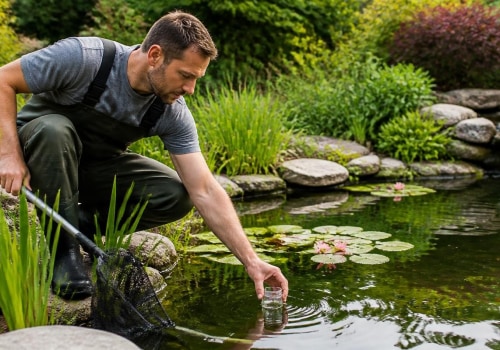
A clean pond is essential for maintaining a balanced ecosystem. Here are some tips to keep your garden pond pristine:- Regular Water Testing: Test your pond water regularly for pH, ammonia, nitrite, and nitrate levels. This will help you identify any imbalances that could harm aquatic life.
- Filtration System Maintenance: Clean or replace filters as needed to ensure efficient operation. A well-maintained filter will help keep the water clear and free from harmful bacteria.
- Aquatic Plants: Incorporate native aquatic plants that can naturally filter the water and provide habitat for wildlife.
These plants also compete with algae for nutrients, helping to keep it at bay.
Common Mistakes to Avoid When Installing a Garden Pond
Installing a garden pond can be a rewarding project, but many homeowners fall into common traps that can lead to frustration and additional costs. Here are some common mistakes to avoid during your garden pond installation.- Neglecting Proper Planning: One of the biggest pitfalls is failing to plan adequately. Before you start digging, take the time to sketch out your design, considering the size, shape, and location of your pond. Ensure it complements your yard and is accessible for maintenance.
- Ignoring Local Regulations: Many areas have specific regulations regarding water features.
Check with your local authorities to ensure compliance with zoning laws and permits required for pond installation.
- Choosing the Wrong Location: Placing your pond in a shaded area may hinder plant growth and algae control. Ideally, select a spot that receives at least six hours of sunlight daily while avoiding overhanging trees that can drop debris into the water.
- Underestimating the Size: A common mistake is underestimating the size of the pond. Consider not only the aesthetic appeal but also the ecological balance. A larger pond can support more wildlife and plants, enhancing its beauty and health.
- Forgetting About Drainage: Proper drainage is crucial to prevent flooding or water stagnation.
Ensure that your pond has an adequate drainage system to manage excess water effectively.
- Overlooking Filtration Systems: A good filtration system is essential for maintaining clean water. Many beginners skip this step, leading to murky water and unhealthy aquatic life. Invest in a quality filter that suits the size of your pond.
- Not Considering Wildlife: Failing to account for local wildlife can lead to problems down the line. Ensure that your pond has safe access points for animals while also protecting fish from predators.
Take your time during each phase of the project, and don’t hesitate to seek advice from professionals if needed.
Conclusion: Enjoying Your New Garden Pond
Congratulations on successfully completing your garden pond installation! This beautiful addition to your small yard not only enhances the aesthetic appeal but also creates a serene environment for relaxation and enjoyment. As you take a moment to appreciate your new pond, consider the following key points to ensure it remains a vibrant part of your landscape.Ongoing Maintenance
Maintaining your garden pond is essential for its longevity and health. Regular tasks include:- Water Quality Management: Test the water regularly for pH levels and clarity. Use appropriate treatments to keep it clean and clear.
- Debris Removal: Regularly remove leaves, algae, and other debris to prevent buildup that can harm aquatic life.
- Plant Care: Trim back overgrown plants and monitor their health to ensure they thrive in your pond environment.
- Fish Health: If you have fish, observe their behavior and health.
Feed them appropriately and check for signs of disease.
Enhancements and Personal Touches
Your garden pond can evolve over time. Consider adding features such as:- Waterfalls or Fountains: These not only enhance the visual appeal but also improve aeration in the water.
- Lighting: Underwater or surrounding lights can create a magical atmosphere during the evening hours.
- Aquatic Plants: Introduce new plant species to diversify the ecosystem and provide shelter for fish.
- Seating Areas: Create a cozy nook nearby with benches or chairs where you can relax and enjoy the view.