Creating a sustainable garden pond is not just about aesthetics; it plays a crucial role in enhancing local biodiversity and promoting ecological balance. A well-designed pond can serve as a habitat for various species, including frogs, dragonflies, and beneficial insects, which contribute to the overall health of your garden ecosystem. By incorporating native plants and minimizing chemical use, you can create a thriving environment that supports wildlife while also providing a serene retreat for yourself. The benefits of garden ponds extend beyond their visual appeal. They act as natural water features that help regulate temperature and humidity in your garden, creating a microclimate that can support a wider variety of plants.
Additionally, ponds can aid in water conservation by capturing rainwater runoff, reducing the need for irrigation. This sustainable approach not only conserves resources but also enhances the resilience of your garden against climate fluctuations. When considering garden pond installation, it's essential to think about how your pond will interact with its surroundings. Factors such as location, size, and the choice of materials can significantly impact its sustainability. By prioritizing eco-friendly practices during installation and maintenance, you can ensure that your pond remains a vibrant part of your landscape for years to come, benefiting both you and the local ecosystem.
Planning Your Garden Pond Installation
When it comes to garden pond installation, careful planning is essential to create a sustainable ecosystem that thrives over time.The first step in this process is selecting the right location for your pond. Ideally, you want a spot that receives a balance of sunlight and shade. Too much sun can lead to excessive algae growth, while too much shade may hinder plant growth. Look for an area that is sheltered from strong winds and has easy access for maintenance.Next, consider the size of your pond.
A larger pond can support a wider variety of plants and wildlife, but it also requires more resources to maintain. As a general rule, aim for at least 100 square feet for a small pond, which can accommodate fish and aquatic plants effectively. If you plan to introduce fish, ensure the pond is deep enough—at least 2 feet—to prevent freezing in winter and provide a safe habitat.Additionally, think about the shape of your pond. Naturalistic shapes with curves tend to blend better into the landscape and provide varied habitats for wildlife.
Incorporating shallow areas will allow for marginal plants, which are crucial for maintaining water quality and providing shelter for small creatures.Finally, consider the local wildlife. Before installation, research the native species in your area. This knowledge will help you choose appropriate plants that attract beneficial insects and birds while avoiding invasive species that could disrupt the ecosystem. By planning your garden pond installation with these factors in mind, you can create a sustainable environment that enhances both your garden and local biodiversity.
Choosing Sustainable Materials for Your Pond
When it comes to garden pond installation, selecting the right materials is crucial for creating a sustainable ecosystem.Using sustainable pond materials not only enhances the aesthetic appeal of your pond but also minimizes its environmental impact.
Eco-Friendly Pond Liners
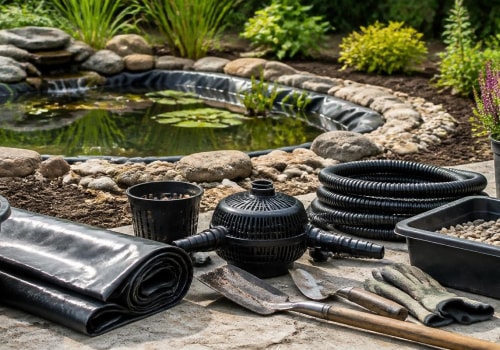
Pond liners are essential for preventing water loss and maintaining the integrity of your garden pond. Traditional liners can be made from harmful plastics, but there are eco-friendly alternatives available. Look for liners made from:- EPDM (Ethylene Propylene Diene Monomer): This synthetic rubber is durable, UV-resistant, and recyclable, making it a popular choice for sustainable pond installations.
- Natural Rubber: Sourced from rubber trees, this biodegradable option is less harmful to the environment compared to synthetic materials.
- Recycled Materials: Some manufacturers offer liners made from recycled plastics, which help reduce waste while providing effective waterproofing.
Natural Stone for Ponds
Incorporating natural stone into your pond design not only adds beauty but also supports local ecosystems. When selecting stones, consider:- Locally Sourced Stone: Using stones from nearby quarries reduces transportation emissions and supports local economies.
- Unprocessed Stone: Avoid stones that have been chemically treated or processed, as these can leach harmful substances into the water.
- Variety of Sizes: A mix of large boulders and smaller pebbles can create natural habitats for aquatic life while enhancing the visual appeal of your pond.
This thoughtful approach to garden pond installation will help create a balanced ecosystem that supports wildlife and enhances your outdoor space.
Incorporating Native Plants into Your Garden Pond
Incorporating native aquatic plants into your garden pond is a crucial step towards creating a sustainable ecosystem. These plants are naturally adapted to your local environment, making them more resilient and easier to maintain compared to non-native species. By choosing native plants, you not only enhance the beauty of your pond but also contribute to the overall health of the ecosystem.Benefits of Native Plants
- Biodiversity: Native plants support local wildlife, including birds, insects, and amphibians. This diversity helps create a balanced ecosystem where various species can thrive.
- Water Quality: Many native aquatic plants play a vital role in filtering pollutants and improving water quality.
Their root systems help stabilize sediments and reduce algae growth.
- Habitat Creation: Native plants provide essential habitats for various organisms. For example, submerged plants offer shelter for fish and invertebrates, while emergent plants provide nesting sites for birds.
- Submerged Zone: Plants like Elodea and Ceratophyllum are excellent choices as they oxygenate the water and provide habitat for aquatic life.
- Floating Zone: Species such as Lemna (duckweed) can help shade the water surface, reducing algae growth while providing food for wildlife.
- Emerged Zone: Plants like Sagittaria (arrowhead) and Iris not only beautify the pond's edge but also attract pollinators and other beneficial insects.
Creating a Balanced Ecosystem in Your Pond
Creating a balanced ecosystem in your garden pond is essential for its sustainability and the health of its inhabitants. A well-maintained pond not only supports aquatic life but also enhances the beauty of your landscape.Pond Ecosystem Balance To achieve a balanced ecosystem, it’s crucial to consider the interactions between fish, plants, and microorganisms.Start by selecting native aquatic plants that can thrive in your local climate. These plants provide oxygen, absorb excess nutrients, and offer shelter for fish and other wildlife.
- Water Lilies: These floating plants provide shade and reduce algae growth.
- Hornwort: A submerged plant that helps oxygenate the water.
- Cattails: These emergent plants stabilize the pond's edges and provide habitat.
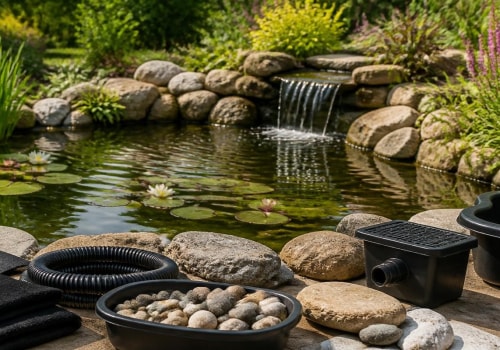
Monitor parameters such as pH, ammonia, nitrite, and nitrate levels. Implementing a biological filtration system can help maintain these levels by promoting beneficial bacteria that break down waste. Additionally, avoid overfeeding your fish, as uneaten food can decay and pollute the water. Consider adding a small fountain or waterfall to increase oxygenation and improve circulation within the pond. This not only enhances aesthetics but also helps prevent stagnant water, which can lead to algae blooms. By carefully selecting compatible fish and plants while actively managing water quality, you can create a thriving garden pond ecosystem that is both beautiful and sustainable.
Water Management Techniques for Sustainability
Managing water sustainably in your garden pond is crucial for maintaining a healthy ecosystem and reducing environmental impact.Here are some effective pond water management techniques that can help you achieve sustainability.
Natural Filtration Systems
Implementing natural filtration systems is one of the best ways to keep your pond water clean without relying on chemical treatments. These systems utilize plants and microorganisms to filter out impurities. Consider incorporating the following:- Wetland Plants: Species like cattails, bulrushes, and water lilies can absorb excess nutrients and provide habitat for beneficial wildlife.
- Biofilters: Construct a biofilter using gravel and aquatic plants to promote the growth of beneficial bacteria that break down harmful substances.
- Floating Islands: These are platforms covered with vegetation that float on the pond's surface, helping to filter water while providing shade and habitat.
Rainwater Harvesting for Ponds
Another sustainable practice is rainwater harvesting, which allows you to collect and store rainwater for your pond. This reduces your reliance on municipal water sources and helps maintain water levels during dry spells.Here’s how to implement it:
- Install Rain Barrels: Position rain barrels near downspouts to capture runoff from roofs. Ensure they are connected to a system that directs water into your pond.
- Create a Rain Garden: Design a rain garden adjacent to your pond to absorb excess rainwater, which can then seep into the pond naturally.
- Pond Overflow Systems: Design your pond with an overflow system that directs excess rainwater back into the landscape, preventing erosion while replenishing groundwater.
Maintaining Your Sustainable Garden Pond Year-Round
Maintaining a sustainable garden pond requires attention throughout the year, as each season brings unique challenges and opportunities for care. Here are some essential pond maintenance tips to ensure your garden pond remains healthy and vibrant.Spring Care
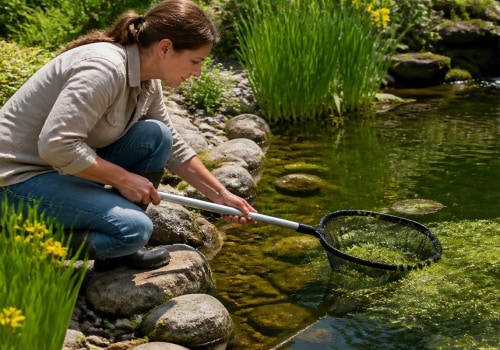
As temperatures rise, it's time to prepare your pond for the growing season. Start by removing any debris that has accumulated over the winter.This includes fallen leaves, twigs, and any dead plant material. Regular cleaning helps prevent algae growth and keeps the water clear.
- Check Water Levels: Ensure that your pond is filled to the appropriate level, as evaporation can occur during warmer months.
- Introduce Beneficial Plants: Adding native aquatic plants can help maintain balance by providing oxygen and shade, which are crucial for fish and other pond inhabitants.
Summer Maintenance
During the summer, monitor your pond closely for signs of algae blooms. High temperatures and sunlight can lead to excessive algae growth, which can harm fish and other aquatic life.- Implement Algae Control Methods: Use natural solutions like barley straw or beneficial bacteria to combat algae without harming the ecosystem.
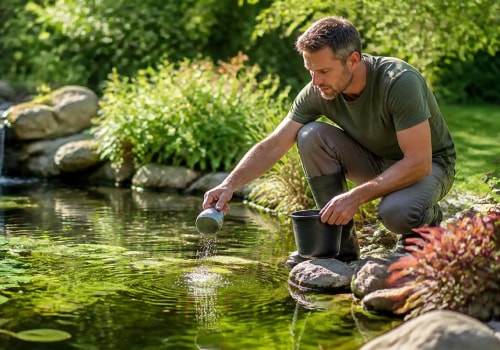
- Regular Water Testing: Test for pH levels and nutrient concentrations to ensure a balanced environment.
Fall Preparations
As autumn approaches, prepare your pond for the colder months. Remove fallen leaves promptly to prevent them from decomposing in the water, which can lead to nutrient overload.- Reduce Feeding: Fish metabolism slows down in cooler temperatures; reduce feeding to avoid excess waste in the pond.
- Install a Pond Heater: If you live in a region with harsh winters, consider using a pond heater to keep a portion of the surface ice-free for gas exchange.
Winter Care
In winter, your pond may appear dormant, but it still requires care.Ensure that ice does not completely cover the surface, as this can trap harmful gases.
- Create Open Water Areas: Use a de-icer or aerator to maintain open water for fish and beneficial bacteria.
- Avoid Walking on Ice: Protect your pond's ecosystem by avoiding walking on frozen surfaces, which can damage plants and disturb wildlife.
Common Challenges and Solutions in Sustainable Pond Management
Managing a sustainable garden pond comes with its own set of challenges. Understanding these common issues and their solutions can help you maintain a healthy ecosystem.Pond Challenges
- Water Quality: Poor water quality can lead to algae blooms and unhealthy fish populations. Regular testing for pH, ammonia, and nitrate levels is essential.
- Pest Control: Pests such as mosquitoes can breed in stagnant water, while other insects may harm aquatic plants or fish.
- Invasive Species: Non-native plants and animals can disrupt the balance of your pond's ecosystem, outcompeting native species for resources.
Solutions to Common Pond Challenges
- Improve Water Quality: Introduce beneficial bacteria to break down organic waste and consider using a pond aerator to enhance oxygen levels.
- Pest Control: To manage mosquito populations, introduce natural predators like dragonflies or use mosquito dunks that target larvae without harming other wildlife.
- Dealing with Invasive Species: Regularly inspect your pond for invasive plants like water hyacinth or purple loosestrife. Manual removal is often the most effective method; however, ensure you dispose of them properly to prevent re-establishment.
Conclusion: Embracing Sustainability in Your Garden Pond Journey
In conclusion, ensuring that your garden pond installation is sustainable is not just a trend but a necessity for the health of our ecosystems.By implementing the strategies discussed throughout this article, you can create a thriving aquatic environment that benefits both wildlife and your garden.
Key Takeaways:
- Choose native plants: Incorporating local flora into your pond design promotes biodiversity and requires less maintenance.
- Utilize natural filtration: Opt for biological filters and plants that naturally clean the water, reducing the need for chemical treatments.
- Implement water conservation techniques: Collect rainwater and use efficient irrigation methods to minimize water waste.
- Create habitats: Design your pond with varying depths and structures to support different species, enhancing ecological balance.
- Monitor water quality: Regular testing and maintenance ensure a healthy environment for fish and plants alike.