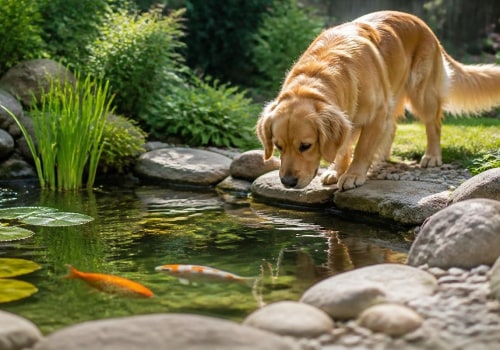
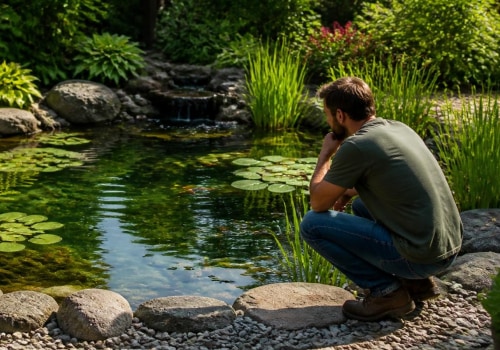
Creating a pond habitat for frogs is not just a delightful addition to your garden; it plays a crucial role in maintaining ecological balance. Frogs are often considered indicators of environmental health, as their presence signifies a thriving ecosystem. By installing a garden pond, you provide these amphibians with a safe haven to breed, feed, and thrive, which in turn supports the overall biodiversity of your garden. Frogs contribute significantly to pest control, as they consume a variety of insects that can harm your plants. This natural form of pest management reduces the need for chemical pesticides, promoting a healthier garden environment.
Additionally, frogs help in nutrient cycling within the ecosystem, as their waste products enrich the soil and water, benefiting other plants and organisms. Moreover, frog conservation is becoming increasingly important due to habitat loss and environmental changes. By creating a pond habitat, you are actively participating in conservation efforts that support local frog populations. This not only enhances your garden's aesthetic appeal but also fosters a deeper connection with nature. As you embark on your journey of garden pond installation, remember that you are contributing to the survival of these remarkable creatures while enriching your own outdoor space.
Planning Your Garden Pond Installation
Creating a thriving pond habitat for frogs begins with careful garden pond planning.The first step is to determine the size and location of your pond, as these factors significantly influence its ecological balance and attractiveness to amphibians.
Pond Size and Location
- Size: A pond should ideally be at least 100 square feet to support a healthy frog population. Larger ponds provide more habitat diversity, which is essential for different frog species.
- Location: Choose a spot that receives partial sunlight throughout the day. Too much sun can lead to overheating, while too much shade may inhibit plant growth. Additionally, ensure the area is sheltered from strong winds and has easy access for frogs.
Pond Design Considerations
- Shape: Opt for a naturalistic shape rather than a perfect circle or rectangle.
Irregular edges create varied depths and habitats, which are more appealing to frogs.
- Depth: Incorporate varying depths in your pond. Shallow areas (around 6 inches) are ideal for breeding, while deeper sections (up to 3 feet) provide refuge from predators.
- Plants: Include native aquatic plants such as water lilies and cattails. These not only provide cover but also help maintain water quality by absorbing excess nutrients.
- Shelter: Add rocks, logs, or submerged plants to create hiding spots for frogs. This will encourage them to take up residence in your pond.
Choosing the Right Materials for Your Pond
Creating a thriving pond habitat for frogs begins with selecting the right materials.The choice between natural and synthetic materials can significantly impact the health of your pond ecosystem.
Natural Materials
Natural materials, such as clay and stone, are often preferred for their ability to blend seamlessly into the environment. Clay is particularly effective as a pond liner because it is impermeable and helps retain water. Additionally, using local stones can provide shelter and breeding sites for frogs.- Clay: Excellent for sealing ponds and preventing leaks.
- Rocks and Gravel: Create natural habitats and help with filtration.
- Plants: Native aquatic plants not only enhance aesthetics but also provide food and shelter for frogs.
Synthetic Materials
Synthetic materials, such as PVC or EPDM liners, offer durability and ease of installation. These liners are flexible and can be molded to fit various pond shapes, making them a popular choice among DIY enthusiasts.- PVC Liners: Affordable and lightweight but may degrade over time when exposed to UV light.
- EPDM Liners: More durable than PVC, resistant to UV rays, and can last for decades.
While synthetic liners may be easier to install, they can sometimes disrupt the natural balance if not managed properly. On the other hand, natural materials may require more effort to source but can create a more sustainable environment for frogs.Ultimately, the best approach is often a combination of both types of materials. For instance, using a synthetic liner for water retention while incorporating natural stones and plants can create a balanced habitat that supports frog populations effectively.
Creating the Ideal Pond Environment for Frogs
Creating a thriving pond habitat for frogs requires careful attention to several key factors that contribute to their well-being. The ideal pond conditions for frogs encompass not only the physical structure of the pond but also the quality of water and the surrounding vegetation.Water Quality Management
Maintaining high water quality is crucial for frog populations.Frogs are sensitive to pollutants and changes in their environment. Here are some tips to ensure your pond's water remains clean:
- Regular Testing: Use water testing kits to monitor pH levels, ammonia, nitrite, and nitrate concentrations. Aim for a pH between 6.5 and 8.5.
- Aeration: Incorporate aeration systems or fountains to keep the water oxygenated, which is vital for both frogs and beneficial bacteria.
- Natural Filtration: Utilize aquatic plants and a natural filtration system to help break down waste and maintain clarity.
Vegetation for Frogs
The right vegetation around and within your pond can significantly enhance its appeal to frogs. Frogs rely on plants for shelter, breeding, and hunting.Consider the following:
- Aquatic Plants: Include native species such as water lilies, cattails, and duckweed. These plants provide cover and breeding sites.
- Marginal Plants: Planting species like rushes and sedges along the edges of the pond creates a natural habitat that frogs can use for hiding from predators.
- Diverse Flora: A mix of tall grasses, shrubs, and trees nearby will offer additional shelter and help maintain humidity levels essential for frogs.
Incorporating Essential Features for Frog Habitats
Creating a thriving pond habitat for frogs requires careful consideration of various pond features that cater to their specific needs. Frogs are not only attracted to water but also rely on their environment for shelter and breeding. Here are some essential features to incorporate into your garden pond installation:- Hiding Spots: Frogs need places to hide from predators and harsh weather.
Incorporate natural elements such as rocks, logs, and aquatic plants like water lilies or hornwort. These provide both cover and a place for frogs to rest during the day.
- Breeding Areas: To encourage frog reproduction, create shallow areas in your pond where females can lay eggs. These zones should have calm water and be surrounded by vegetation, which offers protection for the tadpoles once they hatch.
- Aquatic Plants: Include a variety of native aquatic plants that provide food and shelter. Plants like cattails, bulrushes, and submerged plants not only enhance the aesthetic appeal of your pond but also create a balanced ecosystem.
- Gradual Slopes: Design your pond with gentle slopes leading into the water.
This allows frogs easy access to the pond while providing safe exit points for them to bask in the sun or escape if needed.
- Water Quality: Maintain clean water by avoiding chemical treatments that can harm frogs. Consider adding a filtration system or using natural methods like plants to keep the water clear and healthy.
Maintaining Your Frog-Friendly Pond
Creating a thriving pond habitat for frogs requires ongoing attention and care. Regular maintenance is essential to ensure that your garden pond remains a safe and inviting environment for these amphibians.Pond Maintenance Tips
- Water Quality: Regularly test the water for pH levels, ammonia, and nitrate concentrations. Frogs thrive in clean water, so consider using a natural filtration system to keep the pond clear.
- Vegetation Management: Maintain a balance of aquatic plants.
Too much algae can deplete oxygen levels, while too few plants can reduce shelter for frogs. Aim for a mix of submerged, floating, and emergent plants.
- Debris Removal: Periodically remove fallen leaves and debris from the pond surface to prevent decay and maintain water quality. This also helps reduce mosquito breeding grounds.
Keeping Frogs Safe
- Avoid Chemicals: Steer clear of pesticides and herbicides in your garden, as these can be harmful to frogs. Opt for organic gardening methods to protect their habitat.
- Provide Shelter: Incorporate rocks, logs, and native plants around the pond's edge to create hiding spots for frogs.
This will help them evade predators and feel secure.
Seasonal Care for Ponds
- Spring: As temperatures rise, check for frog activity. Clean the pond and ensure that plants are healthy as frogs begin to breed.
- Summer: Monitor water levels during hot months; topping off with rainwater is ideal. Keep an eye on algae growth and manage it promptly.
- Fall: Prepare for winter by removing excess debris and ensuring that plants are trimmed back. This helps prevent decay that can harm water quality.
- Winter: If your pond freezes, ensure there is a hole in the ice to allow gas exchange.
Consider using a pond heater if temperatures drop significantly.
Common Challenges and Solutions in Frog Pond Installation
Creating a thriving frog habitat in your garden pond can be a rewarding endeavor, but it often comes with its own set of challenges. Understanding these common issues and their solutions is crucial for maintaining a healthy ecosystem.Challenges in Pond Installation
One of the primary challenges during garden pond installation is ensuring proper water depth and temperature. Frogs require specific conditions to thrive, and shallow areas can lead to overheating, while deep areas may not provide adequate warmth. To combat this, design your pond with varying depths, incorporating both shallow zones for basking and deeper areas for refuge.Pest Control in Ponds
Pests such as mosquitoes can become a nuisance in garden ponds.While frogs naturally help control these populations, it's essential to manage the environment to prevent overbreeding. Consider introducing natural predators like dragonflies or using biological pest control methods, such as adding native plants that attract beneficial insects.
Dealing with Algae Growth
Algae growth is another common issue that can disrupt the balance of your pond ecosystem. Excess nutrients from runoff or decaying organic matter can lead to algal blooms, which deplete oxygen levels and harm aquatic life. To mitigate this, regularly remove debris from the pond and consider adding native aquatic plants that compete with algae for nutrients.Additionally, installing a small fountain or aerator can improve water circulation and reduce stagnant areas where algae thrive.By proactively addressing these challenges during your garden pond installation, you can create a sustainable habitat that supports frog populations and enhances your garden's biodiversity.
Frequently Asked Questions About Frog Ponds
Creating a frog pond can raise many questions for both novice and experienced gardeners. Here are some frequently asked questions about frog ponds that can help clarify common concerns.- What size should my frog pond be?
A small pond can be as little as 50 square feet, but larger ponds provide more habitat diversity. Aim for at least 100 square feet to support a healthy frog population. - How deep should the pond be?
A depth of 2 to 3 feet is ideal, as it helps maintain cooler water temperatures during hot weather and provides refuge for frogs during dry spells. - What plants should I include?
Incorporate native aquatic plants such as water lilies, cattails, and bulrushes. These plants provide shelter, breeding grounds, and food sources for frogs. - How do I keep my pond clean?
Regular maintenance is key.Remove debris, monitor water quality, and consider adding a small pump or filter to keep the water clear without disturbing the frogs.
- Are there any fish that are safe for frog ponds?
If you want to include fish, opt for smaller species like minnows. Larger fish can prey on frog eggs and tadpoles, disrupting the frog population. - How can I attract frogs to my pond?
Create a welcoming environment by providing plenty of cover with rocks, logs, and vegetation. Avoid using pesticides in your garden to ensure a safe habitat.
Conclusion: Building a Sustainable Habitat for Frogs in Your Garden
Creating a sustainable habitat for frogs in your garden is not only beneficial for the local ecosystem but also enhances the beauty and biodiversity of your outdoor space.By following the principles of garden pond installation, you can establish a thriving environment that supports these fascinating amphibians.To summarize, here are the key steps to consider:
- Choose the Right Location: Select a spot that receives both sunlight and shade, ensuring that your pond remains warm during the day and cool at night.
- Design for Diversity: Incorporate varying depths and shapes in your pond to create different microhabitats. Shallow areas are ideal for tadpoles, while deeper sections provide refuge for adult frogs.
- Add Native Plants: Use native aquatic plants to provide shelter and breeding grounds. Plants like water lilies and cattails not only enhance aesthetics but also improve water quality.
- Ensure Clean Water: Maintain a balanced ecosystem by avoiding chemical fertilizers and pesticides. Consider adding a filtration system or using natural methods to keep the water clean.
- Create Access Points: Frogs need easy access to and from the water.
Incorporate rocks, logs, or gentle slopes around the pond's edge to facilitate their movement.