Maintaining water quality in your garden pond is crucial for the overall health and vitality of the aquatic ecosystem. A well-balanced pond not only enhances the aesthetic appeal of your garden but also supports a diverse range of flora and fauna. When water quality deteriorates, it can lead to a host of problems, including algae blooms, fish stress, and even the death of aquatic plants. Understanding the importance of water quality is essential for any pond owner who wishes to create a thriving environment. Several factors contribute to the quality of water in your garden pond, including pH levels, dissolved oxygen, and nutrient concentrations.
Each of these elements plays a vital role in maintaining a balanced ecosystem. For instance, a stable pH level ensures that fish and plants can thrive, while adequate dissolved oxygen is necessary for the survival of aquatic life. Additionally, monitoring nutrient levels helps prevent excessive algae growth, which can choke out other important species. By prioritizing water quality during your garden pond installation, you set the foundation for a sustainable and vibrant aquatic habitat. Regular testing and maintenance are key practices that will help you keep your pond in optimal condition.
As you delve deeper into this topic, you'll discover practical strategies to enhance water quality and ensure that your garden pond remains a beautiful and healthy sanctuary for years to come.
Key Factors Affecting Water Quality in Garden Ponds
Maintaining water quality in your garden pond is essential for creating a thriving aquatic ecosystem. Several key factors influence the overall health of your pond's water, including pH levels, temperature, and biological balance.pH Levels The pH level of your pond water is a critical aspect of water chemistry. Ideally, the pH should range between 6.5 and 8.5.A pH that is too low or too high can stress fish and plants, leading to an imbalance in the pond ecosystem. Regular testing with a reliable pH kit can help you monitor these levels and make necessary adjustments.Temperature The temperature of the water also plays a significant role in maintaining a healthy pond environment.Most aquatic life thrives in temperatures between 65°F and 75°F. Extreme temperatures can lead to oxygen depletion and affect the metabolic rates of fish and beneficial bacteria. Installing shade structures or aquatic plants can help regulate temperature fluctuations.Biological Balance A well-balanced pond ecosystem relies on the interaction between various organisms, including fish, plants, and beneficial bacteria.
Beneficial bacteria
help break down organic waste, while aquatic plants provide oxygen and absorb excess nutrients that could lead to algae blooms.To maintain this balance, consider introducing native plants and ensuring that your fish population is appropriate for the size of your pond.
- Regularly remove debris and organic matter from the pond.
- Avoid overfeeding fish to minimize waste.
- Consider using a biological filter to enhance water clarity and quality.
Essential Equipment for Monitoring Water Quality
Maintaining optimal water quality in your garden pond is crucial for the health of aquatic life and the overall aesthetics of your outdoor space. To achieve this, investing in the right pond water testing equipment is essential. Here are some key tools that every pond owner should consider:- Water Test Kits: These kits typically include tests for pH, ammonia, nitrites, and nitrates. Regular testing helps you monitor the chemical balance of your pond water.
- Digital Water Quality Meters: For more precise measurements, digital meters can provide instant readings of various parameters such as temperature, dissolved oxygen, and conductivity.
- Thermometers: Keeping track of water temperature is vital, especially for fish species that thrive within specific temperature ranges.
A simple floating thermometer can do the job effectively.
- Algae Control Tools: Algae blooms can disrupt water quality. Tools like UV clarifiers or algae scrapers help manage algae growth and maintain clear water.
- Pond Skimmers: These devices help remove debris from the surface of the water, preventing organic matter from decomposing and affecting water quality.
- Pond Pumps: A good pump circulates water, which is essential for oxygenation and preventing stagnation. Look for pumps that suit the size of your pond.
- Beneficial Bacteria Products: These products introduce beneficial bacteria that help break down organic waste and improve overall water clarity.
- Pond Filters: A high-quality filter system is crucial for removing impurities and maintaining a healthy ecosystem.
Regular Maintenance Practices to Ensure Clean Water
Maintaining a clean and healthy garden pond is essential for the well-being of its aquatic life and the overall aesthetic of your landscape. Regular maintenance practices can significantly enhance water quality and ensure a thriving ecosystem.- Clean Filters: One of the most crucial aspects of pond maintenance is ensuring that your filters are clean and functioning properly.
Depending on the size of your pond and the number of fish, you should check and clean your filters at least once a month. This helps to remove debris and prevent clogging, which can lead to poor water circulation.
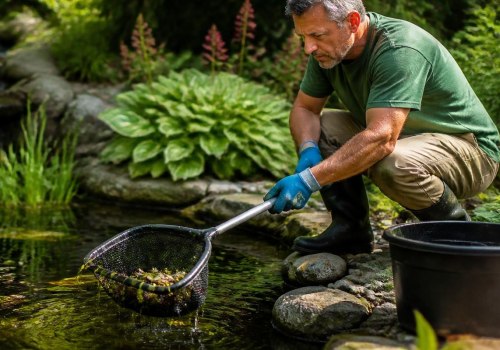
- Remove Debris: Regularly inspect your pond for fallen leaves, twigs, and other organic matter. Accumulated debris can decompose and release harmful toxins into the water. Use a net or skimmer to remove this debris weekly, especially during autumn when leaves are more likely to fall.
- Perform Water Changes: Changing a portion of the water in your pond is vital for maintaining optimal water quality.
Aim to replace about 10-20% of the water every two weeks. This practice helps dilute harmful substances and replenish essential minerals. Always use a dechlorinator if you are using tap water.
- Monitor Water Levels: Keep an eye on the water levels in your pond, especially during hot weather or after heavy rainfall. Maintaining consistent water levels helps prevent stress on fish and plants.
If levels drop significantly, consider adding water gradually to avoid shocking the ecosystem.
- Check Water Parameters: Regularly test the pH, ammonia, nitrite, and nitrate levels in your pond. Ideal pH levels should be between 6.5 and 8.5.Keeping these parameters in check will help you identify any potential issues before they escalate.
Natural Methods to Improve Water Quality
Maintaining water quality in your garden pond can be achieved through various natural methods that not only enhance the ecosystem but also promote sustainability. By incorporating beneficial pond plants and utilizing biological filtration techniques, you can create a thriving aquatic environment.Beneficial Pond Plants
Introducing beneficial pond plants is one of the most effective ways to improve water quality.These plants help in several ways:
- Oxygenation: Plants like Hornwort and Eelgrass release oxygen into the water, which is essential for fish and other aquatic life.
- Nutrient Absorption: Species such as Cattails and Lily Pads absorb excess nutrients, preventing algae blooms that can cloud the water.
- Habitat Creation: Plants provide shelter for fish and beneficial microorganisms, fostering a balanced ecosystem.
Biological Filtration Methods
Biological filtration is another natural method to enhance water quality. This process involves using beneficial bacteria to break down harmful substances in the pond:- Bacteria Cultures: Introducing specific strains of bacteria can help decompose organic waste, reducing ammonia and nitrite levels.
- Biofilters: Setting up a biofilter system allows beneficial bacteria to thrive on surfaces, effectively filtering out toxins from the water.
- Pond Aeration: Increasing oxygen levels through aeration promotes bacterial growth, enhancing the filtration process.
Common Problems and Solutions for Pond Water Quality Issues
Maintaining water quality in your garden pond can be challenging, especially when faced with common issues such as algae blooms and murky water. Understanding these problems and their solutions is essential for a thriving aquatic environment.Algae Blooms
One of the most prevalent issues in garden ponds is algae growth.Algae can quickly overtake your pond, leading to poor water quality and harming fish and plants. Here are some effective strategies to control algae:
- Reduce Nutrient Levels: Excess nutrients, particularly nitrogen and phosphorus, fuel algae growth. Limit fertilizer runoff from nearby gardens and consider using natural fertilizers.
- Increase Plant Coverage: Adding aquatic plants can help absorb excess nutrients and provide shade, which inhibits algae growth. Consider submerged plants like hornwort or floating plants like water lilies.
- Use Algaecides Sparingly: While chemical treatments can be effective, they should be used as a last resort.
Always follow the manufacturer's instructions to avoid harming other pond life.
Muddy or Murky Water
If your pond water appears muddy or murky, it may be due to suspended particles or an imbalance in the ecosystem. Here are some troubleshooting tips:- Check Filtration Systems: Ensure that your pond's filtration system is functioning properly. Clean or replace filters as needed to maintain optimal water clarity.
- Aerate the Water: Increasing oxygen levels through aeration can help beneficial bacteria thrive, which in turn breaks down organic matter that contributes to murkiness.
- Regular Maintenance: Conduct regular cleanings by removing debris and organic waste from the pond bottom. This will help prevent the buildup of materials that cloud the water.
FAQs About Maintaining Water Quality in Garden Ponds
Maintaining water quality in your garden pond is crucial for the health of aquatic life and the overall aesthetics of your outdoor space.Here are some frequently asked questions that can help you navigate pond maintenance effectively.
- What are the signs of poor water quality?
Common indicators include algae blooms, foul odors, and murky water. If you notice fish gasping at the surface or an increase in mosquito populations, these may also signal issues with water quality. - How often should I test my pond water?
It’s advisable to test your pond water at least once a month. Regular testing helps you monitor pH levels, ammonia, nitrite, and nitrate concentrations, ensuring a balanced ecosystem. - What can I do to improve water clarity?
To enhance water clarity, consider adding aquatic plants that absorb excess nutrients. Installing a quality filtration system can also help remove debris and maintain clear water. - How does temperature affect my pond?
Water temperature plays a significant role in the health of your pond.Warmer temperatures can lead to lower oxygen levels and promote algae growth. Ensure your pond has shaded areas to help regulate temperature.
- Are chemical treatments necessary?
While chemical treatments can be effective for controlling algae and other issues, they should be used sparingly. Natural methods, such as introducing beneficial bacteria or using barley straw, are often safer for fish and plants.
Conclusion: Key Takeaways for Healthy Garden Pond Water Quality
Maintaining optimal water quality in your garden pond is essential for the health of aquatic life and the overall aesthetic of your outdoor space.Here are the key takeaways to ensure your pond remains a thriving ecosystem:
- Regular Testing: Consistently monitor water parameters such as pH, ammonia, nitrites, and nitrates. This will help you identify any imbalances early on.
- Filtration System: Invest in a high-quality filtration system that suits the size of your pond. A good filter will remove debris and harmful substances, keeping the water clear and healthy.
- Aeration: Ensure adequate oxygen levels by incorporating aerators or fountains. This not only benefits fish but also promotes beneficial bacteria that break down waste.
- Plant Life: Introduce aquatic plants to your pond.
They play a crucial role in absorbing excess nutrients and providing shade, which helps control algae growth.
- Regular Maintenance: Schedule routine cleanings to remove debris and algae buildup. This includes skimming the surface and cleaning the bottom of the pond.
- Water Changes: Perform partial water changes periodically to dilute pollutants and refresh the ecosystem. Aim for 10-20% of the pond volume every few weeks.
Take action today to ensure your garden pond thrives for years to come!.