Creating a garden pond can transform your outdoor space into a serene oasis, offering both aesthetic appeal and ecological benefits.
Garden pond installation
is not just about digging a hole and filling it with water; it involves careful planning and consideration of various factors, including the selection of appropriate materials. The right materials can enhance the durability and functionality of your pond, ensuring it thrives for years to come. When embarking on the journey of building a garden pond, understanding the different types of materials available is crucial. From flexible liners to rigid pre-formed ponds, each option presents unique advantages and challenges.For instance, flexible liners allow for custom shapes and sizes, making them ideal for creative designs, while pre-formed ponds offer ease of installation and maintenance. Choosing the right material not only affects the visual aspect of your pond but also its longevity and the health of aquatic life. Moreover, the materials you select will influence the overall ecosystem within your pond. Properly chosen materials can support beneficial bacteria growth, which is essential for maintaining water quality. As you delve deeper into the world of garden ponds, consider how each material interacts with water plants and fish, ensuring a balanced environment that enhances your garden's beauty.
Understanding the Basics of Garden Ponds
A garden pond is a beautiful addition to any outdoor space, serving as a tranquil retreat and a habitat for various wildlife.Understanding the basics of garden ponds is essential for successful garden pond installation. This section will explore what a garden pond is, the different types available, and the features that can enhance its appeal.
What is a Garden Pond?
A garden pond is essentially a body of water that is intentionally created within a garden or landscape. It can vary in size, shape, and depth, depending on the intended use and aesthetic preferences. Garden ponds can be designed for various purposes, including fish habitats, aquatic plants, or simply as decorative elements.
Types of Garden Ponds
There are several types of garden ponds to consider:
- Natural Ponds: These mimic the look of a natural water body and often feature irregular shapes and native plants.
- Formal Ponds: Characterized by geometric shapes and clean lines, these ponds often include features like fountains or waterfalls.
- Wildlife Ponds: Designed to attract local wildlife, these ponds typically have shallow areas for amphibians and diverse plant life.
- Koi Ponds: Specifically designed for keeping koi fish, these ponds require careful planning regarding depth and filtration.
Incorporating various features can enhance the functionality and beauty of your garden pond:
- Waterfalls: Adding a waterfall can create soothing sounds and improve water aeration.
- Lighting: Underwater or surrounding lights can highlight the pond's beauty at night.
- Aquatic Plants: Plants like lilies and lotuses not only beautify the pond but also provide shade and habitat for fish.
- Seating Areas: Benches or seating around the pond can create a relaxing space for enjoyment.
Each type of pond offers unique benefits and challenges, so consider your goals and preferences carefully before proceeding with your project.
Key Considerations for Material Selection
When embarking on garden pond installation, selecting the right materials is crucial for ensuring the longevity and aesthetic appeal of your pond. Here are some key considerations to keep in mind:- Durability: The materials you choose must withstand various environmental conditions, including temperature fluctuations, UV exposure, and potential physical damage from wildlife. For instance, EPDM rubber liners are known for their durability and flexibility, making them a popular choice.
- Aesthetics: The visual appeal of your garden pond can significantly impact your landscape. Consider materials that complement your garden's design.
Natural stone or decorative concrete can enhance the beauty of your pond while providing a natural look.
- Environmental Impact: It's essential to consider how your material choices affect the local ecosystem. Opt for non-toxic materials that won't leach harmful substances into the water. For example, using natural clay or preformed plastic liners can be more environmentally friendly options.
- Maintenance Requirements: Some materials require more upkeep than others. If you prefer a low-maintenance pond, consider using materials that resist algae growth and are easy to clean, such as fiberglass or certain types of liners.
- Cost: Budget constraints will also play a role in your material selection.
While high-quality materials may have a higher upfront cost, they often save money in the long run by reducing maintenance and replacement needs.
Popular Materials for Garden Pond Construction
When it comes to garden pond installation, selecting the right materials is crucial for ensuring durability, aesthetics, and functionality. Here’s a breakdown of some of the most popular materials used in garden pond construction:- Pond Liners: Pond liners are one of the most common choices for creating a garden pond. They come in various materials, including:
- EPDM (Ethylene Propylene Diene Monomer): This synthetic rubber liner is highly durable and flexible, making it ideal for irregular shapes.
It can withstand extreme temperatures and is resistant to UV rays.
- PVC (Polyvinyl Chloride): PVC liners are lightweight and easy to install. However, they may not be as durable as EPDM and can be prone to punctures.
- Butyl Rubber: Known for its longevity, butyl rubber liners are thicker than PVC and provide excellent resistance to punctures and UV damage.
- EPDM (Ethylene Propylene Diene Monomer): This synthetic rubber liner is highly durable and flexible, making it ideal for irregular shapes.
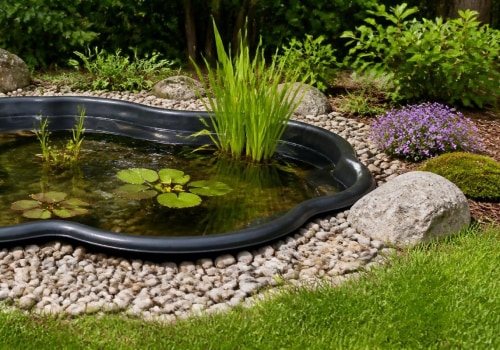
- Preformed Ponds: These rigid structures are made from fiberglass or plastic and come in various shapes and sizes. They offer a quick installation option but may limit customization. Preformed ponds are generally easy to maintain but can be more expensive than liners.
- Naturally Sourced Materials: For those looking to create a more natural aesthetic, using stones, gravel, and clay can be effective.
Clay can help seal the pond naturally, while stones can provide a beautiful border and habitat for wildlife. However, these materials may require more effort in terms of installation and maintenance.
Comparing Pond Liners: PVC vs.
EPDM vs. RPEWhen it comes to garden pond installation, selecting the right pond liner is crucial for ensuring the longevity and functionality of your pond. The three most popular materials for pond liners are PVC, EPDM, and RPE. Each has its own unique characteristics, advantages, and disadvantages.
PVC Pond Liners
PVC (Polyvinyl Chloride) liners are a common choice for many pond enthusiasts due to their affordability and ease of installation.Here are some key points about PVC liners:
- Cost-effective: PVC liners are generally less expensive than other options, making them a budget-friendly choice.
- Flexibility: They are quite flexible, allowing for easy shaping around rocks and plants.
- Durability: While they can last up to 10-15 years, they may be prone to punctures from sharp objects.
EPDM Pond Liners
EPDM (Ethylene Propylene Diene Monomer) liners are known for their superior durability and flexibility. Here’s what you should know:- Longevity: EPDM liners can last over 20 years, making them a long-term investment.
- UV Resistance: They are highly resistant to UV rays and extreme temperatures, which helps prevent degradation.
- Puncture Resistance: EPDM is less likely to puncture compared to PVC, making it suitable for ponds with rocks or sharp edges.
RPE Pond Liners
RPE (Reinforced Polyethylene) liners are a newer option that combines the benefits of both PVC and EPDM. Consider the following:- Strength: RPE liners are reinforced, providing excellent puncture resistance and durability.
- Lightweight: They are lighter than EPDM, making them easier to handle during installation.
- Cost: While typically more expensive than PVC, RPE offers a good balance between cost and performance.
However, if cost is a primary concern, PVC may suffice for smaller projects. RPE offers a middle ground with its strength and lightweight properties. Assessing these factors will help you make an informed decision for your garden pond project.
Natural Materials: Rocks and Stones in Pond Design
When considering garden pond installation, the choice of materials plays a crucial role in both the aesthetic and functional aspects of the pond. Among the most popular options are natural materials, particularly rocks and stones, which can enhance the beauty of your pond while providing essential benefits.Aesthetic Appeal
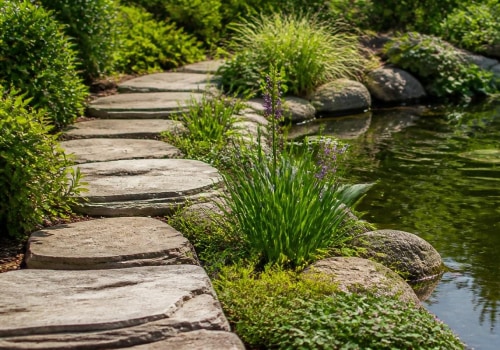
Using rocks and stones in your garden pond design can create a stunning visual impact.Natural stones come in various shapes, sizes, and colors, allowing you to customize the look of your pond to fit your landscape. Whether you prefer smooth river stones or rugged boulders, these materials can blend seamlessly with the surrounding environment, giving your pond a more organic feel.
Functional Benefits
Beyond aesthetics, rocks and stones serve several functional purposes:- Habitat Creation: Rocks provide shelter for aquatic life, such as fish and beneficial microorganisms, promoting a balanced ecosystem.
- Water Filtration: Natural stones can help filter water by trapping debris and providing surfaces for beneficial bacteria to thrive, which aids in maintaining water clarity.
- Erosion Control: Strategically placed rocks can prevent soil erosion around the pond's edges, ensuring that your garden remains intact during heavy rains.
Design Ideas
Incorporating rocks into your garden pond can be done in various ways:- Edging: Use larger stones to create a natural border around the pond, enhancing its shape and preventing soil from washing away.
- Waterfalls: Create a cascading waterfall feature using stacked stones, which not only adds beauty but also aerates the water.
- Planting Areas: Arrange flat stones to create planting pockets for aquatic plants, adding greenery and improving biodiversity.
Building a Raised Garden Pond: Material Choices
When it comes to building a raised garden pond, selecting the right materials is crucial for both aesthetics and functionality. The materials you choose will impact the durability, maintenance, and overall look of your pond.Common Materials for Raised Garden Ponds
- Wood: Treated lumber or cedar is a popular choice for constructing the frame of a raised pond.
Wood offers a natural look and can be easily shaped to fit your garden's design. However, ensure that the wood is treated to resist rot and pests.
- Concrete: For a more permanent solution, concrete blocks or poured concrete can create a sturdy structure. This material allows for greater customization in shape and size but may require more labor during installation.
- Stone: Natural stone or decorative bricks can enhance the visual appeal of your raised pond. They provide excellent insulation for the water temperature but can be heavy and may require additional support.
- Plastic Liners: A flexible plastic liner is essential for holding water in your raised pond.
Choose a high-quality, UV-resistant liner to prevent leaks and ensure longevity.
Installation Tips
- Plan Your Design: Before starting, sketch out your pond's dimensions and layout. Consider factors like sunlight exposure and proximity to trees that may shed leaves.
- Level the Ground: Ensure that the area where you plan to install the pond is level. This will help prevent water from pooling unevenly and reduce the risk of structural failure.
- Add Drainage: Incorporate drainage holes or a gravel base at the bottom of your raised pond to prevent water accumulation and promote healthy plant growth.
- Seal Properly: If using wood, apply a non-toxic sealant to protect against moisture damage. For concrete, consider using a waterproofing agent to enhance durability.
Maintenance Considerations for Different Materials
When considering garden pond installation, the choice of materials significantly impacts the maintenance requirements of your pond.Each material comes with its own set of advantages and challenges that can affect how you care for your pond over time.
Concrete Ponds
Concrete is a durable option for garden ponds, but it requires regular maintenance to prevent algae growth and staining. To keep a concrete pond in optimal condition:- Regular Cleaning: Use a pressure washer or scrub brush to remove algae and debris.
- Sealant Application: Apply a sealant every few years to protect against cracks and leaks.
- Water Quality Monitoring: Test water parameters frequently to maintain a healthy ecosystem.
Flexible Liners
Flexible liners, such as EPDM or PVC, are popular due to their ease of installation and versatility. However, they can be prone to punctures and require careful handling:- Puncture Prevention: Avoid sharp objects near the pond and regularly inspect for any signs of wear.
- Regular Inspections: Check for leaks or tears at least twice a year, especially after heavy rains or freezing temperatures.
- Debris Removal: Keep the surface clear of leaves and debris to prevent buildup that can damage the liner.
Preformed Ponds
Preformed ponds are made from rigid materials like fiberglass or plastic. They are low-maintenance but still require some attention:- Surface Cleaning: Clean the surface periodically to prevent algae growth.
- Avoid Chemical Damage: Be cautious with chemicals; some can harm the pond's structure.
- Check for Cracks: Inspect for any cracks or fading that may indicate wear over time.
FAQs About Garden Pond Materials and Installation
When considering garden pond installation, many homeowners have questions about the best materials to use.Here are some frequently asked questions that can help clarify your choices:
What materials are commonly used for garden ponds?
- Flexible liners: These are made from rubber or PVC and are popular due to their versatility and ease of installation.
- Preformed ponds: These rigid structures come in various shapes and sizes, making them easy to install but less customizable.
- Cement or concrete: While durable, these materials require more labor and expertise to install properly.
- Natural stone: Often used for decorative edges, natural stone can enhance the aesthetic appeal of your pond.
How do I choose the right material for my pond?
Your choice of material should depend on several factors:- Size and shape: Consider how large you want your pond to be and whether you prefer a specific shape.
- Budget: Some materials are more cost-effective than others, so determine how much you’re willing to spend.
- Installation skill level: If you're a DIY enthusiast, flexible liners may be easier for you to work with compared to concrete.
Are there any maintenance considerations for different materials?
Yes, maintenance can vary significantly based on the material:- Flexible liners: These may require occasional patching but are generally easy to maintain.
- Cement ponds: They can develop cracks over time and may need sealing or resurfacing.
- Preformed ponds: While low-maintenance, they can be less adaptable if you want to change the design later.
Conclusion: Making Informed Choices for Your Garden Pond Project
In conclusion, the success of your garden pond installation largely hinges on the materials you choose. Each material offers unique benefits and challenges, making it essential to consider your specific needs and preferences. When selecting materials, keep in mind the following key points:- Durability: Opt for materials that can withstand environmental factors such as temperature fluctuations and UV exposure. For instance, EPDM liners are known for their longevity and resistance to punctures.
- Aesthetics: The visual appeal of your pond is crucial. Natural stone or preformed ponds can enhance the beauty of your garden, while synthetic options may offer more flexibility in design.
- Maintenance: Consider how much time you are willing to invest in upkeep.
Some materials require more maintenance than others; for example, concrete ponds may need regular sealing to prevent leaks.
- Cost: Budget is always a factor. While high-quality materials may have a higher upfront cost, they can save you money in the long run by reducing repairs and replacements.