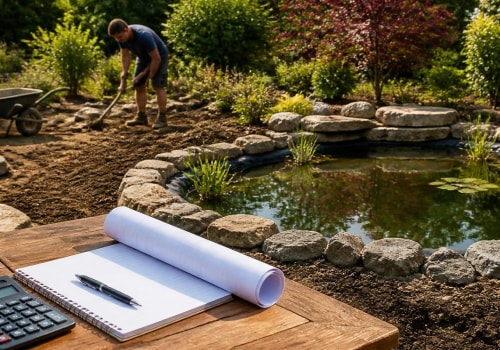
When considering garden pond installation, one of the most critical aspects to address is the understanding of local regulations. Each municipality has its own set of rules governing the construction and maintenance of water features, which can significantly impact your project. Failing to comply with these regulations can lead to fines, mandatory removal of the pond, or even legal action. Therefore, it is essential to familiarize yourself with the specific requirements in your area before breaking ground. One of the first steps in this process is to determine whether you need a garden pond permit.
Many local governments require permits for ponds that exceed a certain size or depth, particularly if they are intended for recreational use or if they could potentially affect local wildlife. Additionally, some areas may have restrictions on the types of materials you can use or the design of the pond itself. Checking with your local planning department can provide clarity on what is necessary for your project. Moreover, understanding zoning laws is equally important. These laws dictate how land can be used in specific areas and may impose limitations on where you can place your pond.
For instance, if your property is located near a waterway or wetland, there may be additional environmental regulations to consider. Engaging with local authorities not only ensures compliance but also helps you avoid potential disputes with neighbors who might have concerns about water drainage or wildlife attraction. In summary, taking the time to research and understand local regulations regarding garden pond installation is crucial for a successful project. By securing the necessary permits and adhering to zoning laws, you can create a beautiful and functional garden pond while minimizing legal risks.
Environmental Considerations
When considering garden pond installation, it is crucial to address various environmental considerations that can impact both local ecosystems and legal compliance. Understanding these factors not only promotes sustainability but also ensures that your pond contributes positively to the environment.Environmental Impact
The installation of a garden pond can significantly alter the local environment.It is essential to assess how the pond will affect existing flora and fauna. For instance, creating a pond may disrupt natural habitats, particularly for small mammals and birds. Before proceeding, conduct an environmental impact assessment to identify any potential negative effects on local wildlife.
Wildlife Protection
Protecting local wildlife is a key consideration in garden pond installation. Many species rely on aquatic environments for survival, including amphibians, insects, and various bird species.To promote biodiversity:
- Incorporate native plants around the pond to provide shelter and food sources.
- Avoid using chemicals or pesticides that could leach into the water.
- Consider installing features like rocks or logs to create habitats for frogs and other creatures.
Water Rights
Understanding water rights is another critical aspect of installing a garden pond. Depending on your location, you may need to secure rights to use water from a natural source or comply with regulations regarding water usage. Here are some steps to consider:- Check with local authorities about any permits required for pond construction.
- Investigate whether you need permission to divert water from nearby streams or rivers.
- Be mindful of how your pond may affect groundwater levels and surrounding properties.
Homeowner Association (HOA) Guidelines
When considering garden pond installation, it is crucial for homeowners to familiarize themselves with the Homeowner Association (HOA) guidelines that govern their community.Many HOAs have specific rules regarding landscaping and outdoor modifications, which can include restrictions on the size, depth, and even the type of pond that can be installed.
Understanding HOA Rules
- Permits and Approvals: Before starting any installation, homeowners should check if they need to submit plans for approval. Some HOAs require a formal application process to ensure that the proposed pond aligns with community aesthetics.
- Size and Depth Restrictions: Many associations impose limits on how large or deep a pond can be. These restrictions are often in place to prevent issues related to drainage, flooding, or safety concerns.
- Water Features: If you plan to include fountains or waterfalls, verify if there are any noise restrictions or guidelines regarding water features that could disturb neighbors.
- Aesthetic Guidelines: Some HOAs may have specific aesthetic guidelines that dictate the materials used for pond construction or the landscaping surrounding it. This could include requirements for natural stone versus synthetic materials.
Community Guidelines
In addition to formal HOA rules, it’s essential to consider the broader community guidelines.
Engaging with neighbors and understanding their perspectives can help foster goodwill and avoid potential conflicts. A well-planned garden pond can enhance property value and community appeal when done in accordance with local standards.
Pond Restrictions
If your HOA has strict regulations regarding water features, it may be beneficial to explore alternative options such as smaller water gardens or decorative containers that comply with community standards while still providing a tranquil outdoor space.In summary, before proceeding with your garden pond installation, take the time to review your HOA's guidelines thoroughly. This proactive approach will not only help you avoid fines or forced removal of your pond but also contribute positively to your neighborhood's harmony.
Water Quality and Health Regulations
When considering garden pond installation, it is crucial to understand the various water quality standards and health regulations that govern such projects. These regulations are designed to ensure that the water in your pond remains safe for both aquatic life and human interaction.Water Quality Standards
- pH Levels: Maintaining a balanced pH level (typically between 6.5 and 8.5) is essential for the health of fish and plants.
- Nutrient Levels: Excess nutrients, particularly nitrogen and phosphorus, can lead to algal blooms, which can be harmful to both wildlife and humans.
- Turbidity: Clear water is vital; high turbidity can indicate pollution or excessive sediment, which may violate local regulations.
Health Regulations
Local health departments often have specific guidelines regarding the maintenance of garden ponds.
These may include:
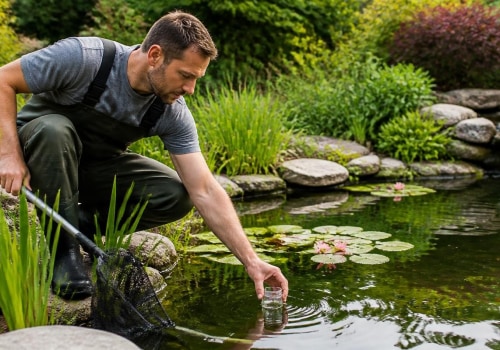
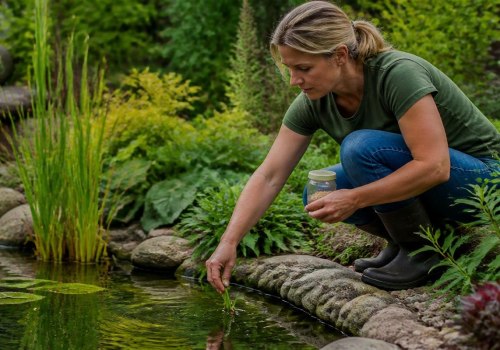
- Regular Testing: Homeowners may be required to conduct regular water quality tests to ensure compliance with health standards.
- Pond Maintenance Laws: Some jurisdictions mandate that ponds must be maintained to prevent stagnant water, which can become a breeding ground for mosquitoes and other pests.
- Disposal of Waste: Proper disposal of organic waste from the pond is essential to prevent contamination of local waterways.
Insurance Considerations
When considering garden pond installation, it is crucial to address the insurance considerations that come into play. Homeowners must ensure they have adequate coverage to protect against potential liabilities associated with their pond.Insurance Coverage
- Property Insurance: Most homeowners' insurance policies cover damages to the property, but it’s essential to verify whether your policy includes coverage for water features like ponds.
Some insurers may require additional endorsements or riders to cover specific risks associated with garden ponds.
- Liability Insurance: If someone were to get injured on your property due to the pond, liability claims could arise. It’s advisable to check if your current policy provides sufficient liability coverage or if you need to increase your limits.
- Flood Insurance: Depending on your location, installing a garden pond could potentially affect drainage and lead to flooding issues. Homeowners in flood-prone areas should consider obtaining flood insurance, as standard homeowners' policies typically do not cover flood damage.
Liability Issues
The presence of a garden pond can introduce various liability issues. For instance, if a neighbor's child were to fall into the pond and sustain injuries, you could be held liable for medical expenses and damages.
To mitigate these risks, consider the following:
- Fencing: Installing a fence around the pond can help prevent unauthorized access and reduce liability risks.
- Warning Signs: Clearly marking the area with warning signs can inform visitors of potential dangers associated with the pond.
- Regular Maintenance: Keeping the pond well-maintained not only enhances its aesthetic appeal but also minimizes hazards that could lead to accidents.
FAQs About Garden Pond Installation Legalities
When considering garden pond installation, many homeowners have questions regarding the legal implications. Here are some frequently asked questions that can help clarify these concerns:- Do I need a permit to install a garden pond?
In many areas, a permit is required for installing a pond, especially if it exceeds a certain size or depth. Check with your local zoning office or municipal regulations to determine the specific requirements in your area. - Are there any restrictions on pond placement?
Yes, there may be restrictions regarding where you can place your pond.Factors such as proximity to property lines, existing structures, and local wildlife habitats can influence placement. Always consult local guidelines.
- What about water rights?
In some regions, water rights can affect your ability to fill a pond with water from nearby sources. Ensure you understand the laws governing water usage in your area to avoid potential legal issues. - Do I need to consider environmental regulations?
Absolutely. Environmental regulations may dictate how you manage runoff, maintain water quality, and protect local wildlife.It’s essential to comply with these regulations to avoid fines or legal action.
- What if I want to stock my pond with fish?
Stocking fish may require additional permits or adherence to specific guidelines regarding species selection and population management. Research local wildlife regulations before introducing any aquatic life.
Conclusion: Key Takeaways on Legal Aspects of Garden Pond Installation
In conclusion, understanding the legal considerations surrounding garden pond installation is crucial for ensuring a smooth and compliant project. Here are the key takeaways:- Permits and Regulations: Always check local zoning laws and regulations.
Many municipalities require permits for pond installation, especially if the pond exceeds a certain size or is intended for specific uses.
- Water Rights: Be aware of water rights in your area. In some regions, you may need permission to divert or use natural water sources for your pond.
- Environmental Impact: Consider the environmental implications of your pond. Installing a pond can affect local wildlife and ecosystems, so it’s essential to conduct an environmental assessment if required.
- Safety Standards: Adhere to safety standards, particularly if children or pets will be around the pond. This may include fencing or other safety measures to prevent accidents.
- Maintenance Responsibilities: Understand your responsibilities regarding maintenance and upkeep.
Some local laws may require regular inspections or maintenance to ensure the pond does not become a nuisance.