A clean garden pond is not just a visual delight; it plays a crucial role in maintaining a healthy ecosystem for the aquatic life it supports. Regular maintenance and cleaning of your garden pond are essential to ensure that fish, plants, and beneficial microorganisms thrive. When debris, algae, and pollutants accumulate, they can disrupt the delicate balance of the pond's environment, leading to poor water quality and unhealthy conditions for its inhabitants. One of the primary benefits of a clean pond is the enhancement of its aesthetic appeal. A crystal-clear pond reflects the beauty of surrounding landscapes and provides a serene focal point in your garden.
Moreover, a well-maintained pond encourages biodiversity, attracting various species of birds and insects that contribute to the overall health of your garden. By investing time in garden pond maintenance, you not only create a picturesque setting but also foster a thriving habitat for wildlife. Furthermore, understanding the importance of cleaning your garden pond can save you time and resources in the long run. Neglecting regular upkeep can lead to more significant issues such as algae blooms or fish kills, which may require costly interventions. By prioritizing cleanliness, you ensure that your garden pond remains a vibrant and sustainable ecosystem, providing enjoyment for years to come.
Preparing for Pond Cleaning
Before diving into the cleaning process of your garden pond, it’s essential to prepare adequately to ensure a smooth and effective cleaning experience.Proper preparation not only makes the task easier but also helps maintain the health of your pond ecosystem.
Gathering Necessary Tools
Having the right tools on hand is crucial for efficient pond cleaning. Here’s a list of essential items you should gather:- Pond Net: Useful for removing debris and leaves from the surface.
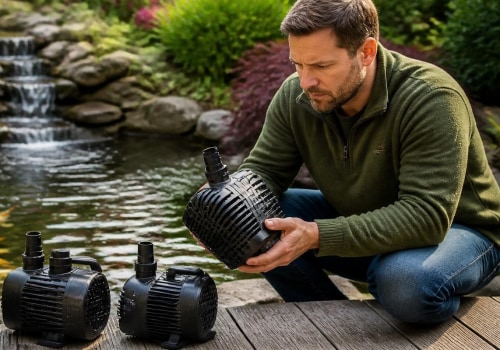
- Submersible Pump: Helps in draining water from the pond if necessary.
- Garden Hose: For rinsing off equipment and cleaning surfaces.
- Scrub Brushes: Ideal for scrubbing algae and dirt off pond surfaces.
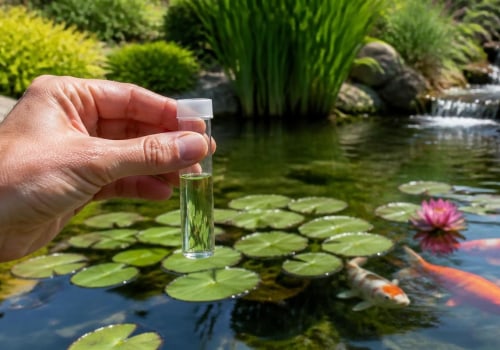
- Water Testing Kit: To check the water quality post-cleaning.
- Protective Gear: Gloves and boots to keep you safe and clean during the process.
Safety Measures
Cleaning a garden pond can involve some risks, so it’s important to take safety precautions:- Check Electrical Equipment: Ensure all electrical devices are safe to use near water.
- Avoid Slips: Wear non-slip footwear to prevent accidents around wet areas.
- Work in Pairs: If possible, have someone assist you during the cleaning process for added safety.
Pond Ecosystem Considerations
If your pond is home to fish or plants, consider their needs during cleaning. It may be beneficial to:- Remove Fish Temporarily: Place them in a separate tank or container with pond water while you clean.
- Avoid Harsh Chemicals: Use natural cleaning methods to protect aquatic life.
Step-by-Step Guide to Cleaning Your Garden Pond
Cleaning your garden pond is essential for maintaining a healthy aquatic environment. Follow this step-by-step guide to ensure your pond remains clear and vibrant.- Drain the Pond: Begin by draining the pond using a submersible pump.
Ensure you have a suitable location for the water, as it may contain beneficial bacteria and nutrients.
- Remove Debris: Once the pond is drained, remove any large debris such as leaves, twigs, and algae. Use a net or rake to gather these materials efficiently.
- Clean the Pond Liner: Inspect the pond liner for any damage. Use a soft brush and a mixture of water and vinegar to scrub away any stubborn algae or stains. Avoid harsh chemicals that could harm aquatic life.
- Check Equipment: While the pond is empty, take this opportunity to check your filtration system and pumps.
Clean or replace filters as necessary to ensure optimal performance.
- Refill the Pond: After cleaning, refill the pond with fresh water. If possible, use dechlorinated water to protect your fish and plants.
- Add Beneficial Bacteria: Introduce beneficial bacteria to help establish a healthy ecosystem. This step is crucial for breaking down organic waste and maintaining water clarity.
- Monitor Water Quality: After cleaning, regularly test the water quality for pH, ammonia, nitrites, and nitrates. This will help you maintain a balanced environment for your fish and plants.
Regular maintenance will not only enhance its appearance but also promote a thriving aquatic ecosystem.
Maintaining Water Quality After Cleaning
After cleaning your garden pond, maintaining optimal water quality is crucial for the health of your aquatic ecosystem. Here are some essential tips to ensure your pond remains a vibrant habitat for fish and plants.Regular Filtration Maintenance
A well-functioning filtration system is vital for keeping your pond water clear and healthy. Regularly check and clean your filters to prevent clogging, which can lead to poor water quality. Aim to clean your filters at least once a month, especially during peak seasons when algae growth is more prevalent.Monitor Chemical Balance
Maintaining the right chemical balance in your pond is essential.Test the water regularly for pH levels, ammonia, nitrites, and nitrates. The ideal pH level for most garden ponds is between 6.5 and 8.5. If you notice any imbalances, consider using appropriate treatments to adjust the levels.
Introduce Beneficial Bacteria
Adding beneficial bacteria can help break down organic waste and improve water clarity. These bacteria assist in maintaining a balanced ecosystem by promoting the natural decomposition of debris.Look for products specifically designed for pond use and follow the manufacturer's instructions for application.
Control Algae Growth
Algae can quickly take over a pond if not managed properly. To control algae growth:- Limit Nutrient Input: Avoid overfeeding fish and minimize runoff from fertilizers in nearby gardens.
- Increase Plant Coverage: Adding aquatic plants can help absorb excess nutrients and provide shade, reducing algae proliferation.
- Use UV Clarifiers: Consider installing a UV clarifier to help eliminate free-floating algae.
Regular Water Changes
Performing partial water changes can significantly improve water quality. Aim to replace 10-20% of the pond water every few weeks, especially after cleaning. This practice helps dilute harmful substances while replenishing essential minerals.By following these tips on maintaining water quality, you can ensure that your garden pond remains a healthy environment for all its inhabitants, enhancing both its beauty and ecological balance.Common Mistakes to Avoid When Cleaning a Garden Pond
Cleaning a garden pond can be a rewarding task, but it’s essential to avoid common mistakes that could jeopardize the health of your aquatic ecosystem.Here are some pitfalls to watch out for:
- Draining the Pond Completely: One of the biggest mistakes is completely draining the pond. This can disrupt the natural balance and harm beneficial bacteria that help maintain water quality. Instead, consider partial water changes to keep the ecosystem intact.
- Using Harsh Chemicals: Many people mistakenly believe that using strong chemicals will effectively clean their pond. However, these substances can be toxic to fish and plants.
Opt for natural cleaning methods or pond-safe products.
- Ignoring Aquatic Life: Failing to account for fish and other aquatic life during cleaning can lead to stress or even death. Always ensure that fish are safely relocated or that you clean in a way that minimizes disruption.
- Over-Removing Debris: While it’s important to remove excess debris, over-cleaning can strip away essential nutrients and habitats for beneficial microorganisms. Aim for a balanced approach by removing only what is necessary.
- Neglecting Equipment Maintenance: Many pond owners forget to clean or maintain their filtration systems and pumps. Regular maintenance is crucial for ensuring that your pond remains healthy and clear.
Remember, proper garden pond installation also plays a significant role in how easily you can maintain your pond in the long run.
Frequently Asked Questions About Garden Pond Cleaning
Cleaning a garden pond is essential for maintaining a healthy ecosystem and ensuring the longevity of your installation. Here are some frequently asked questions regarding garden pond cleaning that can help you navigate this important aspect of pond maintenance.How often should I clean my garden pond?
The frequency of cleaning depends on several factors, including the size of your pond, the number of fish, and the surrounding vegetation. Generally, it is advisable to perform a thorough cleaning at least once a year, preferably in early spring before the growing season begins. Regular maintenance tasks, such as removing debris and checking water quality, should be done weekly or bi-weekly.What tools do I need for cleaning my pond?
To effectively clean your garden pond, you will need:- Pond net: For skimming debris from the surface.
- Submersible pump: To remove dirty water if necessary.
- Algae scrubber: For scrubbing algae off surfaces.
- Water testing kit: To monitor pH levels and other water quality indicators.
- Garden hose: For refilling the pond with fresh water.
Can I use chemicals to clean my pond?
While there are chemical treatments available for algae and other pond issues, it is best to use them sparingly.Overuse of chemicals can disrupt the natural balance of your pond and harm fish and plants. Instead, focus on mechanical cleaning methods and natural solutions like beneficial bacteria to maintain water clarity.
What should I do with my fish during cleaning?
If you have fish in your garden pond, it’s crucial to ensure their safety during cleaning. You can temporarily relocate them to a holding tank filled with pond water while you perform maintenance. Make sure to monitor the temperature and oxygen levels in the holding tank to keep your fish healthy.By addressing these common questions about garden pond cleaning, you can ensure that your pond remains a beautiful and thriving part of your landscape.Regular maintenance not only enhances the aesthetic appeal but also supports a balanced ecosystem within your garden pond installation.
Conclusion: Keeping Your Garden Pond Pristine Year-Round
In conclusion, maintaining a clean and healthy garden pond is essential for both the aesthetic appeal of your outdoor space and the well-being of its aquatic inhabitants. Regular cleaning and maintenance not only enhance the beauty of your pond but also prevent potential issues such as algae overgrowth and water quality deterioration.Summary of Garden Pond Cleaning Tips:
- Perform routine checks for debris and remove leaves, twigs, and other organic matter.
- Utilize a pond vacuum or net to keep the bottom clean.
- Monitor water levels and quality, adjusting as necessary to maintain a balanced ecosystem.
- Consider using beneficial bacteria to help break down organic waste.
- Regularly inspect and clean filters to ensure optimal water circulation.
Long-Term Care for Garden Ponds:
As seasons change, so do the needs of your garden pond.
In spring, focus on removing winter debris; during summer, monitor for algae blooms; in fall, prepare for leaf accumulation; and in winter, ensure that ice does not cover the entire surface. By adapting your maintenance routine to the seasons, you can keep your garden pond pristine year-round.Ultimately, a well-maintained garden pond is a source of joy and tranquility. By implementing these cleaning tips and committing to regular upkeep, you can enjoy a beautiful aquatic environment that enhances your garden's overall charm.