Algae growth in garden ponds is a common challenge that many pond owners face. Understanding the factors that contribute to this phenomenon is crucial for maintaining a healthy pond ecosystem. Algae thrive in environments where there is an abundance of nutrients, particularly nitrogen and phosphorus, which can come from various sources such as decaying organic matter, fish waste, and even runoff from nearby gardens. When these nutrients accumulate, they create an ideal breeding ground for algae, leading to unsightly blooms that can disrupt the balance of your pond. The implications of unchecked algae growth extend beyond aesthetics; it can significantly impact the overall health of your pond.
Excessive algae can deplete oxygen levels in the water, harming fish and other aquatic life. Furthermore, some types of algae can produce toxins that pose risks to pets and wildlife. Therefore, understanding how to manage and prevent algae growth is essential for anyone involved in garden pond installation or maintenance. By recognizing the causes of algae proliferation and its effects on pond health, you can take proactive steps to create a balanced aquatic environment. This not only enhances the beauty of your garden pond but also ensures a thriving habitat for fish and plants alike.
In the following sections, we will explore effective strategies to prevent algae growth and maintain a vibrant pond ecosystem.
The Role of Garden Pond Installation in Algae Prevention
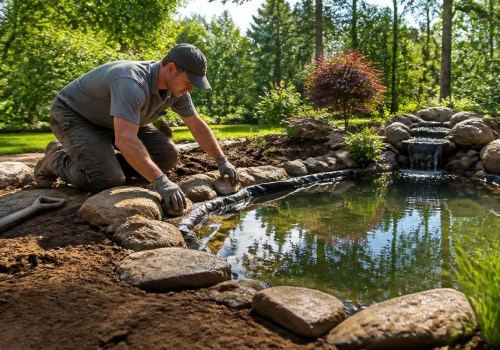
When it comes to garden pond installation, the design and setup play a crucial role in preventing algae growth. A well-planned pond not only enhances the aesthetic appeal of your garden but also fosters a balanced ecosystem that discourages unwanted algae proliferation.Key Design Elements for Algae Prevention:
- Water Depth: Ensure your pond has varying depths. Deeper areas provide cooler temperatures, which can inhibit algae growth, while shallower zones can support beneficial plants.
- Plant Selection: Incorporate a mix of submerged, marginal, and floating plants. These plants compete with algae for nutrients and sunlight, effectively reducing their growth potential.
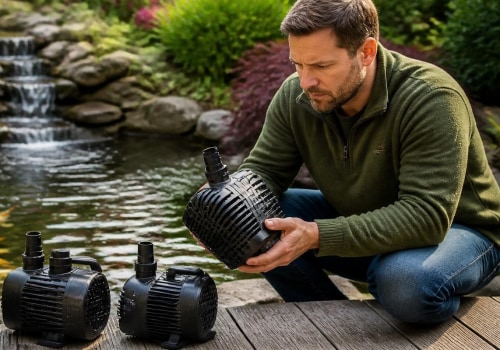
- Water Circulation: Install a fountain or waterfall to promote water movement.
Stagnant water is a breeding ground for algae, while circulation helps maintain oxygen levels and prevents nutrient buildup.
- Filtration System: A high-quality filtration system is essential. It removes debris and excess nutrients that algae thrive on, keeping your pond cleaner and healthier.
Maintenance Practices:
- Regular Cleaning: Remove fallen leaves and debris regularly to prevent nutrient accumulation.
- Nutrient Management: Avoid over-fertilizing nearby plants, as runoff can introduce excess nutrients into the pond.
- Monitor Water Quality: Regularly test the water for pH levels and nutrient concentrations to ensure a healthy environment.
Choosing the Right Location for Your Pond
When it comes to garden pond installation, one of the most critical factors to consider is the location of your pond.The right spot can significantly influence the health of your pond ecosystem and help in minimizing algae growth.
Sunlight Exposure
Algae thrive in sunlight, so it’s essential to choose a location that receives limited direct sunlight. Ideally, your pond should be placed in a spot that gets about 4 to 6 hours of sunlight per day. This amount of sunlight is sufficient for aquatic plants to photosynthesize without encouraging excessive algae growth.
Utilizing Shade Plants
Incorporating shade plants around your pond can also help reduce sunlight exposure. Consider planting species such as water lilies, lotus, or even marginal plants like cattails and bulrushes.
These plants not only provide shade but also contribute to the overall health of your pond by absorbing nutrients that algae would otherwise utilize.
Avoiding Overhead Obstructions
While trees can provide shade, be cautious about placing your pond too close to them. Falling leaves and debris can lead to nutrient buildup in the water, which can further promote algae growth. If you have large trees nearby, consider positioning your pond at a distance where it can still benefit from some shade without the risk of accumulating organic matter.
Wind Exposure
A location that is somewhat sheltered from strong winds can also be beneficial. Wind can stir up debris and nutrients from the surrounding area into your pond, potentially fueling algae blooms.
Look for natural barriers like shrubs or fences that can help protect your pond from harsh winds.By carefully selecting the right location for your garden pond, you can create a balanced ecosystem that minimizes the risk of algae growth while enhancing the beauty and tranquility of your outdoor space.
Water Quality Management Techniques
Maintaining optimal water quality is crucial for preventing algae growth in your garden pond. Implementing effective pond filtration systems and managing the chemical balance of the water can significantly enhance the health of your pond ecosystem.Pond Filtration Systems
A reliable filtration system is essential for keeping your pond water clear and free from excess nutrients that promote algae growth. Here are some common types of filtration systems:- Mechanical Filters: These filters physically remove debris and particles from the water, preventing them from decomposing and contributing to nutrient buildup.
- Biological Filters: These systems utilize beneficial bacteria to break down harmful substances, converting them into less harmful compounds. This process helps maintain a balanced ecosystem.
- Chemical Filters: These filters use activated carbon or other chemical agents to remove impurities and toxins from the water, improving overall water quality.
Chemical Balance Management
In addition to filtration, maintaining the right chemical balance in your pond is vital.Here are some tips to achieve this:
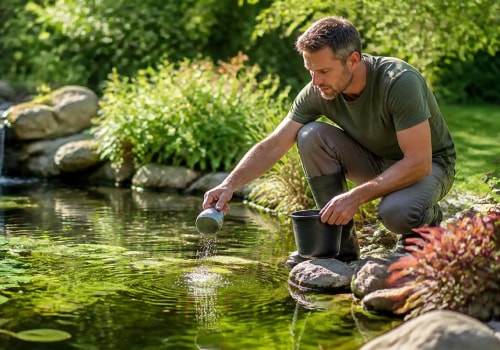
- Regular Testing: Use a water testing kit to monitor pH levels, ammonia, nitrite, and nitrate concentrations. Aim for a pH level between 6.5 and 8.5 for optimal fish health.
- Nutrient Control: Limit the introduction of fertilizers and organic matter into the pond. Excess nutrients can lead to rapid algae growth.
- Beneficial Additives: Consider using products that introduce beneficial bacteria or enzymes to help break down organic matter and maintain a balanced ecosystem.
Incorporating Aquatic Plants to Combat Algae
Incorporating aquatic plants into your garden pond is one of the most effective strategies for controlling algae growth.These plants not only enhance the aesthetic appeal of your pond but also play a crucial role in maintaining a balanced ecosystem.
Natural algae control
occurs when aquatic plants absorb nutrients from the water that would otherwise fuel algae growth. By competing for these nutrients, plants like water lilies, lotus, and hornwort can significantly reduce the availability of resources that algae need to thrive.Types of Aquatic Plants to Consider
- Floating Plants: Species such as duckweed and water hyacinth float on the surface, providing shade and reducing sunlight penetration, which is essential for algae growth.
- Submerged Plants: Plants like elodea and anacharis grow underwater and help oxygenate the water while absorbing excess nutrients.
- Marginal Plants: These are planted around the edges of the pond, such as sword plants and cattails, which can help filter runoff and improve water quality.
Regular maintenance, such as pruning and removing dead plant material, will also help keep your pond thriving and minimize algae proliferation.In conclusion, by thoughtfully incorporating a variety of aquatic plants into your garden pond, you can create a natural defense against algae growth while enhancing the beauty and biodiversity of your aquatic ecosystem.
Regular Maintenance Practices for Your Garden Pond
Maintaining a healthy garden pond is crucial for preventing algae growth and ensuring a balanced ecosystem. Regular maintenance practices not only enhance the aesthetic appeal of your pond but also contribute to the overall health of aquatic life.Establishing a Cleaning Schedule
- Weekly Inspections: Conduct weekly checks for debris, dead leaves, and other organic matter that can decompose and promote algae growth. Remove any visible waste promptly.
- Monthly Cleaning: Perform a thorough cleaning of your pond at least once a month. This includes removing sludge from the bottom, cleaning filters, and checking pump functionality.
- Seasonal Maintenance: In spring and fall, dedicate time to deeper cleaning tasks such as trimming back overgrown plants and checking water quality parameters like pH and nutrient levels.
Effective Algae Removal Methods
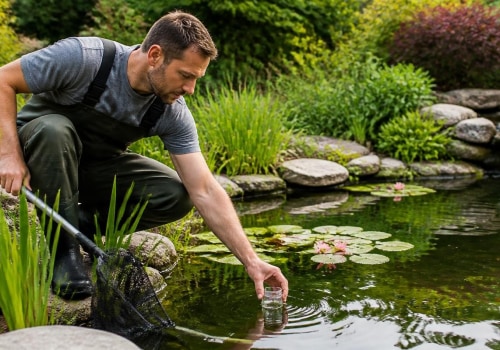
- Manual Removal: For small patches of algae, manual removal using a net or rake can be effective.
Ensure to dispose of the algae away from the pond to prevent reintroduction.
- Natural Remedies: Introduce beneficial bacteria or enzymes that can help break down organic matter and compete with algae for nutrients. These products are often available at garden centers.
- Chemical Treatments: If algae blooms persist, consider using algaecides specifically designed for ponds. Always follow the manufacturer's instructions to avoid harming fish and plants.
Using Natural Algaecides and Treatments
Controlling algae growth in your garden pond can be effectively achieved through the use of natural algaecides and treatments.These eco-friendly solutions not only help maintain a balanced ecosystem but also ensure the health of your pond's aquatic life.One popular natural algaecide is barley straw. When decomposed, barley straw releases compounds that inhibit algae growth. To use this method, simply place a bundle of barley straw in a mesh bag and submerge it in the pond. This process may take a few weeks to show results, but it is a safe and sustainable option.Another effective treatment is the introduction of beneficial bacteria.
These bacteria help break down organic matter and compete with algae for nutrients, thereby reducing their growth. You can find various commercial products containing these beneficial microorganisms specifically designed for pond use.
Plants
also play a crucial role in controlling algae. By incorporating aquatic plants such as water lilies, lotus, and hornwort, you can create shade and absorb excess nutrients from the water, which are essential for algae proliferation. Aim to cover about 50% of the pond's surface with these plants to maximize their effectiveness.Additionally, consider using vinegar as a natural treatment.A diluted solution can be sprayed directly onto algae patches to help control their spread. However, be cautious with this method, as excessive use may affect other plants in your pond.Lastly, maintaining proper water circulation and aeration can significantly reduce algae growth. Installing a fountain or waterfall not only enhances the aesthetic appeal of your garden pond but also promotes oxygenation, which is detrimental to algae.By implementing these natural algaecides and treatments, you can effectively manage algae growth while preserving the delicate balance of your garden pond ecosystem.
Common Mistakes to Avoid in Pond Management
Managing a garden pond effectively requires attention to detail and an understanding of common pitfalls that can lead to algae growth. Here are some frequent mistakes to avoid:- Overfeeding Fish: Excessive fish food can decompose and release nutrients into the water, fueling algae growth.
Feed your fish only what they can consume in a few minutes.
- Lack of Filtration: Inadequate filtration systems can lead to stagnant water, which is a breeding ground for algae. Ensure your pond has a properly sized filter that circulates water efficiently.
- Ignoring Plant Life: Aquatic plants play a crucial role in maintaining balance in your pond. Neglecting to include enough plants can result in an overabundance of nutrients, promoting algae. Aim for a mix of submerged, floating, and marginal plants.
- Poor Water Quality: Regularly test your pond's water for pH levels, ammonia, and nitrate concentrations.
High nutrient levels can trigger algae blooms. Implementing regular water changes can help maintain optimal conditions.
- Excessive Sunlight: While sunlight is essential for plant growth, too much direct sunlight can encourage algae proliferation. Consider adding shade with floating plants or strategically placed structures.
FAQs About Algae Prevention in Garden Ponds
Maintaining a healthy garden pond involves addressing common concerns about algae growth.Here are some frequently asked questions that can help you effectively prevent algae in your pond.
What causes algae to grow in my garden pond?
Algae thrive in environments with excess nutrients, particularly nitrogen and phosphorus. These nutrients often come from:- Fish waste
- Decaying plant matter
- Fertilizers used in nearby gardens
How can I control nutrient levels in my pond?
To maintain balanced nutrient levels, consider the following:- Regular cleaning: Remove debris and dead plants regularly to prevent decay.
- Aquatic plants: Introduce native aquatic plants that absorb excess nutrients and compete with algae for resources.
- Pond aeration: Use aerators to improve water circulation, which helps break down organic matter more efficiently.
Are there natural methods to prevent algae?
Yes! Several natural methods can help keep algae at bay:- Beneficial bacteria: Adding beneficial bacteria can help break down organic waste and reduce nutrient levels.
- Barley straw: This natural method releases compounds that inhibit algae growth as it decomposes.
- Pond dye: Using pond dye can limit sunlight penetration, making it harder for algae to grow.