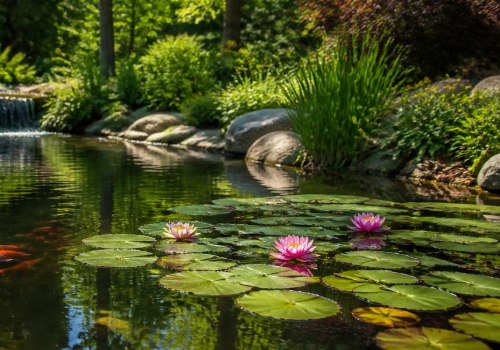
Creating a beautiful garden pond can enhance the aesthetic appeal of your outdoor space, but it also introduces certain risks, especially for pets. While the tranquil sound of water and the sight of fish can be captivating, it’s crucial to recognize that garden ponds can pose significant dangers to our furry friends. Understanding these risks is the first step in ensuring a safe environment for your pets. One of the primary concerns is the potential for drowning. Pets, particularly dogs and cats, may be drawn to the water out of curiosity or playfulness.
Without proper safety measures in place, they could easily slip into the pond and struggle to get out. Additionally, stagnant water can harbor harmful bacteria and parasites that could lead to serious health issues if ingested. This makes it essential for pet owners to consider pet safety when planning their garden pond installation.Moreover, certain plants and chemicals used in maintaining a garden pond can be toxic to pets. For instance, some aquatic plants may be harmful if consumed, while algaecides and other treatments can pose serious health risks.
It’s vital to educate yourself about which plants are safe and to choose non-toxic alternatives whenever possible. By being aware of these potential hazards, you can take proactive steps to create a safe haven for both your garden pond and your beloved pets.
Choosing the Right Location for Your Garden Pond
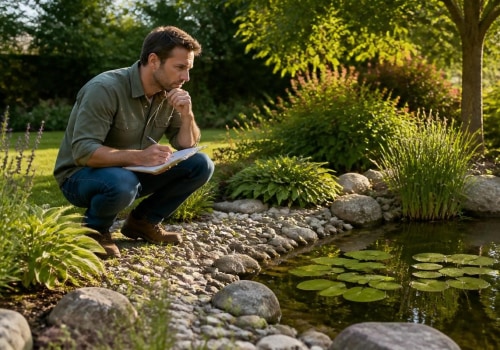
When planning your garden pond installation, selecting the right location is crucial for both aesthetic appeal and the safety of your pets. Here are some key considerations to help you choose the best spot for your pond:- Sunlight Exposure: Ideally, your pond should receive a mix of sunlight and shade. Too much sun can lead to algae growth, while too much shade can hinder plant growth.
Aim for about 4-6 hours of sunlight daily.
- Proximity to Trees: While trees can provide shade, their roots may interfere with the pond's structure, and falling leaves can create debris. Position your pond at a safe distance from large trees to minimize these issues.
- Accessibility: Ensure that the pond is easily accessible for maintenance and enjoyment. However, consider placing it away from high-traffic areas where pets might accidentally fall in.
- Safety Features: If you have pets that are curious or prone to jumping, consider installing a shallow edge or a gradual slope leading into the water. This design allows pets to enter and exit safely without risking drowning.
- Visibility: Choose a location where you can easily monitor your pets while they are outside.
A visible pond allows you to keep an eye on their activities and intervene if necessary.
Designing a Pet-Friendly Garden Pond
When planning your garden pond installation, it’s essential to consider how to make it a safe environment for your pets. A well-designed pond can provide enjoyment for both you and your furry friends while minimizing risks.Shallow Areas Incorporating shallow areas into your pond design is one of the most effective ways to ensure safety.These zones allow pets to wade in without the risk of drowning. Aim for sections that are no deeper than 12 inches, which can serve as a comfortable spot for pets to cool off on hot days.Escape Routes Another critical feature is the inclusion of escape routes. Pets, especially dogs, may accidentally fall into the pond. To prevent panic and potential injury, design sloped edges or add rocks and plants that create natural pathways for pets to climb out easily.
This not only enhances safety but also adds aesthetic value to your pond.Non-Toxic Plants Selecting pet-friendly plants is crucial when landscaping around your pond. Avoid toxic species such as foxglove or water hemlock, and instead opt for non-toxic varieties like water lilies or cattails. This ensures that if your pet decides to nibble on some greenery, they won’t be harmed.Water Quality Maintaining clean water is vital for both aquatic life and your pets. Regularly check the water quality and use natural filtration systems to keep it clear of harmful chemicals.
Consider adding a small fountain or waterfall; not only does this enhance the beauty of your pond, but it also helps aerate the water, making it safer for all inhabitants.Fencing and Barriers If you have particularly curious or energetic pets, consider installing a fence around the pond area. This can prevent unsupervised access while still allowing you to enjoy the beauty of your garden pond. Choose materials that blend well with your landscape while ensuring they are sturdy enough to withstand playful paws. By incorporating these thoughtful design elements into your garden pond installation, you can create a safe haven that both you and your pets will love.
Water Quality and Safety Measures
Ensuring that your garden pond is safe for pets begins with maintaining optimal water quality. Clean water is essential not only for the health of aquatic life but also for the safety of your furry friends.Here are some key measures to consider:
- Regular Testing: Use a water testing kit to monitor pH levels, ammonia, nitrite, and nitrate concentrations. Ideal pH levels for most ponds range from 6.5 to 8.5.Regular testing helps you catch any imbalances before they become harmful.
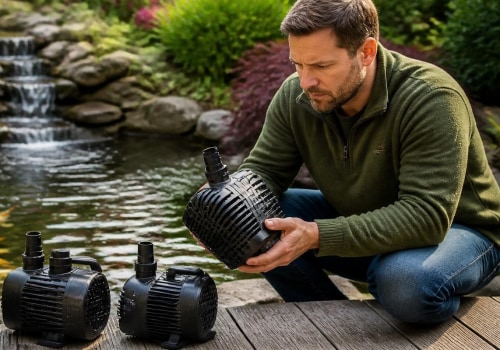
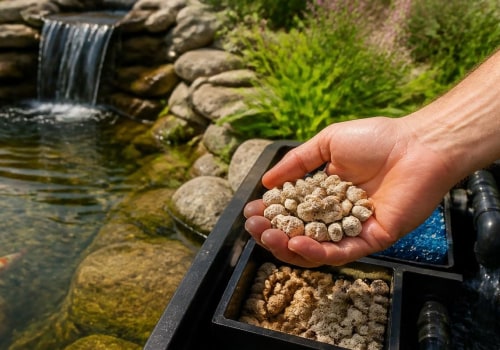
- Filtration Systems: Invest in a good filtration system to keep the water clear and free from harmful bacteria. A properly functioning filter will help maintain safe water conditions for your pets.
- Aeration: Ensure adequate oxygen levels in the pond by using aerators or fountains. Stagnant water can lead to algae blooms and decreased oxygen, which can be dangerous for pets.
- Water Changes: Perform partial water changes regularly to dilute any harmful substances that may accumulate over time.
This practice helps maintain a healthy environment for both aquatic life and pets.
- Toxic Plants: Some plants can be toxic to pets if ingested. Research and remove any harmful vegetation around your pond.
- Pesticides and Chemicals: Avoid using chemicals near the pond that could leach into the water. Opt for pet-safe alternatives when treating your garden.
Adding Safety Features to Your Garden Pond
Ensuring the safety of your pets around a garden pond is crucial, especially if they are curious by nature.Implementing various pond safety features can significantly reduce the risk of accidental drowning and create a secure environment for your furry friends.
- Fencing: Installing a sturdy fence around your garden pond is one of the most effective ways to keep pets safe. A fence should be at least four feet high and made from materials that are difficult for pets to climb or jump over. Consider using a fence with vertical slats to prevent pets from squeezing through.
- Nets: A pond net can serve as an excellent barrier, preventing pets from accessing the water while still allowing sunlight and rain to nourish the pond. Ensure that the net is securely anchored and taut to avoid any accidental entanglement.
- Covering: If you have a smaller pond, consider using a solid cover when it’s not in use.
This can be a removable lid or a mesh cover that allows air and light in but keeps pets out.
- Landscaping: Strategically placing plants and rocks around the pond can create natural barriers that deter pets from getting too close. Choose dense shrubs or thorny plants that make it less appealing for pets to venture near the water's edge.
- Training: While physical barriers are essential, training your pets to understand boundaries is equally important. Use positive reinforcement techniques to teach them to stay away from the pond area.
Monitoring Your Pets Around the Pond
Ensuring the safety of your pets around a garden pond is crucial, as water bodies can pose various risks.One of the most effective ways to keep your furry friends safe is through diligent monitoring. Here are some strategies to help you supervise your pets effectively:
- Establish Boundaries: Use fencing or natural barriers to create a safe zone around the pond. This can help prevent pets from wandering too close without supervision.
- Designate Supervised Playtimes: Schedule specific times for your pets to enjoy the outdoors while you are present. This allows you to keep an eye on them and intervene if necessary.
- Use Leashes: When introducing your pets to the pond area, consider using a leash.
This gives you control over their movements and helps prevent accidental falls into the water.
- Train Your Pets: Teaching commands such as "stay" or "leave it" can be invaluable. Training your pets to respect boundaries around the pond can significantly reduce risks.
- Observe Behavior: Pay attention to how your pets interact with the pond. Some animals may be more curious than others, and understanding their behavior can help you anticipate potential issues.
By being proactive and attentive, you can create a harmonious space where both your pets and the beauty of nature coexist safely.
Common FAQs About Garden Ponds and Pet Safety
When it comes to ensuring the safety of your pets around a garden pond, many pet owners have common concerns. Here are some frequently asked questions that can help clarify these issues:- Can my pet drown in a garden pond?
Yes, pets can drown if they fall into a pond, especially if they are not strong swimmers. To mitigate this risk, consider adding shallow areas or ramps that allow pets to exit the pond easily. - Are there any plants that are safe for pets?
Many aquatic plants are safe for pets, but some can be toxic. Always research plants before adding them to your pond.Safe options include water lilies and lotus, while avoid lilies of the valley and azaleas.
- How can I prevent my pet from drinking pond water?
To discourage your pets from drinking pond water, you can provide fresh water sources nearby. Additionally, consider using decorative rocks or barriers around the pond's edge to make access more difficult. - What should I do if my pet gets sick after being near the pond?
If you suspect your pet has ingested something harmful from the pond, contact your veterinarian immediately. It's essential to monitor their behavior and health closely. - How can I keep my garden pond clean and safe for pets?
Regular maintenance is key. Use a filtration system to keep the water clean and clear of harmful bacteria.Additionally, remove any debris or dead plants that could pose a risk to your pets.
Conclusion: Ensuring a Safe Environment for Your Pets and Garden Pond Enjoyment
In conclusion, ensuring a safe environment for your pets while enjoying the beauty of your garden pond installation is essential for both their well-being and your peace of mind. By implementing the strategies discussed, you can create a harmonious space where your pets can explore without the risk of accidents or harm. First and foremost, consider the depth and design of your pond. A shallow pond with gentle slopes allows pets to enter and exit safely, reducing the risk of drowning. Additionally, incorporating natural barriers, such as rocks or plants, can help delineate the pond area while providing a safe retreat for wildlife. Regular maintenance is also crucial.Keeping the water clean and free from harmful chemicals ensures that your pets are not exposed to toxins. Regularly checking for sharp objects or debris around the pond will further enhance safety. Moreover, training your pets to respect the pond area can significantly reduce accidents. Teaching commands such as "leave it" or "stay" can help keep them at a safe distance when necessary. Lastly, consider installing a fence or barrier around the pond if you have particularly curious or energetic pets. This not only protects them but also preserves the tranquility of your garden pond. By taking these precautions, you can enjoy the serene beauty of your garden pond while ensuring that your furry friends remain safe and happy.
A well-planned garden pond installation not only enhances your landscape but also creates a secure environment for all its inhabitants.