Adding a waterfall feature to your garden pond can transform an ordinary outdoor space into a stunning oasis. The gentle sound of cascading water not only creates a soothing atmosphere but also enhances the overall aesthetic appeal of your garden. Imagine sitting by your pond, listening to the tranquil sounds of water flowing over rocks, while surrounded by lush greenery and vibrant flowers. This sensory experience can elevate your garden from a simple landscape to a serene retreat. Beyond aesthetics, a waterfall offers numerous ecological benefits that contribute to the health of your pond.
The movement of water helps to aerate the pond, promoting a balanced ecosystem that supports fish and aquatic plants. This natural filtration process reduces algae growth and keeps the water clear, creating a healthier environment for all pond inhabitants. Additionally, the splashing water can help maintain optimal temperatures, making it more comfortable for fish during hot summer months. Moreover, incorporating a waterfall into your garden pond can attract various wildlife, such as birds and butterflies, enhancing biodiversity in your outdoor space. These creatures are drawn to the sound and sight of flowing water, adding life and vibrancy to your garden.
With all these benefits combined, installing a waterfall feature is not just an aesthetic choice; it’s an investment in the beauty and health of your garden pond.
Planning Your Waterfall Installation
Installing a waterfall in your garden pond can transform your outdoor space into a serene oasis. However, careful planning is essential to ensure that the waterfall complements the overall design of your garden pond.Choosing the Right Location
- Visibility: Select a spot where the waterfall can be easily seen from various angles in your garden. This enhances the aesthetic appeal and allows you to enjoy the soothing sounds of flowing water.
- Sunlight: Consider how much sunlight the area receives. A location that gets partial shade can help prevent excessive algae growth while still allowing for beautiful reflections.
- Accessibility: Ensure that the waterfall is accessible for maintenance.
You’ll want to be able to clean filters and check water levels without difficulty.
Considering Overall Garden Pond Design
- Size and Scale: The size of your waterfall should be proportional to your pond. A large pond can accommodate a more dramatic waterfall, while a smaller pond may benefit from a subtle, gentle flow.
- Materials: Choose materials that match or complement your existing pond features. Natural stones can create a seamless look, while pre-formed waterfall kits offer convenience and uniformity.
- Flow Rate: Determine how much water will flow over the waterfall. A higher flow rate creates a more dynamic effect but requires careful planning to avoid erosion or splashing outside the pond.
Choosing the Right Materials for Your Waterfall
When it comes to garden pond installation, selecting the right materials for your waterfall is crucial for both functionality and aesthetics.The materials you choose will not only affect the appearance of your waterfall but also its durability and maintenance requirements.
Types of Stones for Your Waterfall
The stones you select can significantly influence the overall look of your waterfall. Here are some popular options:- Granite: Known for its durability and natural beauty, granite can withstand the elements and adds a sophisticated touch to your garden.
- Limestone: This stone is softer and easier to shape, making it ideal for creating intricate designs. Its natural color variations can enhance the visual appeal of your waterfall.
- Fieldstone: These irregularly shaped stones provide a rustic look and blend seamlessly with natural surroundings, making them a favorite for many garden enthusiasts.
- Slate: With its layered appearance, slate can create stunning water features that mimic natural waterfalls, offering a unique aesthetic.
Pond Pump Selection
A reliable pond pump is essential for maintaining water flow in your waterfall. When selecting a pump, consider the following:- Flow Rate: Choose a pump with a flow rate that matches the height and width of your waterfall.
A general rule of thumb is to aim for a pump that can circulate the entire pond volume at least once every two hours.
- Energy Efficiency: Look for energy-efficient models to reduce electricity costs over time. Many modern pumps come with energy-saving features.
- Durability: Ensure that the pump is designed for outdoor use and can withstand varying weather conditions.
Step-by-Step Installation Process
Installing a waterfall feature in your garden pond can enhance its beauty and create a soothing ambiance. Follow these step-by-step installation steps to ensure a successful DIY project.- Plan Your Waterfall Design: Before you start, sketch out your waterfall design. Consider the height, width, and the natural flow of water.
Choose a location that allows for easy water circulation and visibility.
- Gather Your Materials: You will need a pond liner, a pump, tubing, rocks, and a filter. Make sure to select materials that are durable and suitable for outdoor use.
- Excavate the Area: Dig out the area where you want your waterfall to be. Create a slope that allows water to flow naturally from the top to the bottom. Ensure the base is level for stability.
- Install the Pond Liner: Lay down the pond liner in the excavated area.
Make sure it covers the entire space where water will flow. Secure it with rocks or soil to prevent it from shifting.
- Add the Pump: Place your pump at the bottom of the pond. Connect it to the tubing that will carry water to the top of your waterfall. Ensure that it is submerged and securely positioned.
- Create the Waterfall Structure: Use rocks and stones to build up your waterfall structure.
Arrange them in a way that allows water to cascade smoothly over them. This not only looks natural but also helps with water flow.
- Connect Tubing: Run the tubing from the pump up to the top of your waterfall. Make sure it is hidden among rocks or plants for a more natural look.
- Add Water and Test: Fill your pond with water and turn on the pump to test your waterfall. Adjust any rocks or tubing as necessary to achieve your desired flow rate.
- Finalize Your Design: Once everything is working correctly, add finishing touches such as aquatic plants around the pond and decorative stones along the edges of your waterfall.
Maintaining Your Waterfall Feature
Maintaining your waterfall feature is crucial for ensuring both its aesthetic appeal and functionality within your garden pond installation.Regular upkeep not only enhances the beauty of your water feature but also promotes a healthy ecosystem for fish and plants.
Waterfall Maintenance Tips
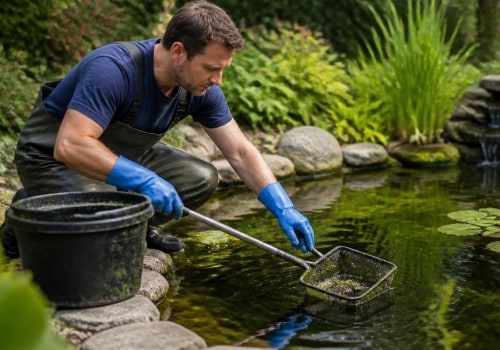
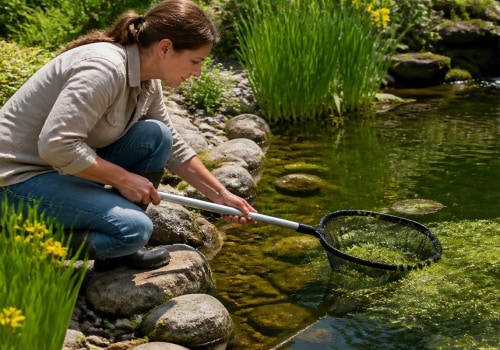
- Regular Cleaning: Remove debris such as leaves, twigs, and algae from the waterfall and pond surface. This prevents clogging and maintains water flow.
- Check Pump Functionality: Inspect the pump regularly to ensure it operates efficiently. Clean the pump filter to avoid blockages that can hinder water circulation.
- Monitor Water Levels: Keep an eye on the water levels in your pond. Evaporation can lead to low water levels, affecting the waterfall's performance.
Top off with fresh water as needed.
Keeping Your Pond Clean
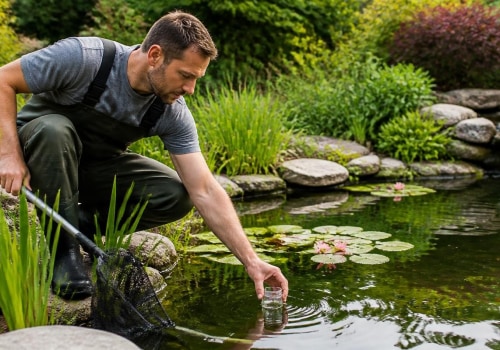
A clean pond is essential for a thriving waterfall feature. Consider these tips:- Use Beneficial Bacteria: Introduce beneficial bacteria to help break down organic waste and maintain clear water.
- Aeration: Ensure proper aeration in your pond to promote oxygen levels, which helps keep algae at bay.
- Install a Skimmer: A skimmer can help remove floating debris before it sinks to the bottom, making maintenance easier.
Seasonal Care for Waterfalls
Your waterfall will require different care depending on the season:- Spring: Clean out any winter debris and check for any damage caused by freezing temperatures.
- Summer: Monitor water temperature and quality; consider adding shade plants to reduce algae growth.
- Fall: Remove fallen leaves promptly to prevent them from decomposing in the pond.
- Winter: If you live in a colder climate, consider winterizing your waterfall by shutting down the pump and draining the lines to prevent freezing damage.
Common Mistakes to Avoid When Installing a Waterfall
Installing a waterfall feature in your garden pond can enhance its beauty and create a soothing ambiance. However, there are several common mistakes that can lead to frustration and costly repairs. Here are some pitfalls to avoid during your garden pond installation.- Neglecting Proper Planning: One of the biggest mistakes is failing to plan the layout of your waterfall.
Consider the flow of water, the height of the waterfall, and how it integrates with the existing landscape. A well-thought-out design will prevent issues later on.
- Choosing the Wrong Pump: Selecting an inadequate pump can lead to insufficient water flow or excessive noise. Ensure that the pump is appropriately sized for your waterfall's height and width to maintain a consistent flow.
- Ignoring Waterfall Slope: The slope of your waterfall is crucial for proper water flow. A slope that is too steep can cause splashing and erosion, while one that is too gentle may not create the desired effect.
Aim for a gradual slope that allows water to cascade smoothly.
- Overlooking Maintenance Access: When installing your waterfall, consider how you will access it for maintenance. Ensure there are pathways or stepping stones that allow you to reach the feature without disturbing the surrounding plants.
- Using Incompatible Materials: Mixing materials that do not complement each other can detract from the overall aesthetic. Choose rocks and stones that match or enhance your pond's natural look.
Frequently Asked Questions About Waterfall Features in Garden Ponds
When considering the installation of a waterfall feature in your garden pond, you may have several questions.Here are some frequently asked questions that can help guide you through the process:
- What size waterfall is suitable for my pond?
The size of the waterfall should be proportional to your pond. A general rule of thumb is that the waterfall should not exceed 10% of the pond's surface area. This ensures a balanced aesthetic and functionality. - How do I ensure proper water flow?
To achieve optimal water flow, select a pump that matches the height and width of your waterfall. The pump should be capable of circulating the entire volume of your pond at least once every two hours. - What materials are best for building a waterfall?
Natural stones, pre-formed waterfall kits, and concrete are popular choices.Each material has its own aesthetic appeal and durability, so choose based on your garden's style and your maintenance preferences.
- How can I troubleshoot common waterfall issues?
If you notice low water flow, check for clogs in the pump or filter. For leaks, inspect the liner and connections for any damage. Regular maintenance, such as cleaning debris from the waterfall, can prevent many issues. - Can I add plants around my waterfall?
Absolutely! Adding aquatic plants can enhance the beauty of your waterfall while also providing natural filtration. Just ensure that they are suitable for your climate and pond conditions.
Conclusion: Transforming Your Garden with a Waterfall Feature
In conclusion, installing a waterfall feature in your garden pond can significantly enhance the overall aesthetic and ambiance of your outdoor space.Throughout this article, we have explored the essential steps and considerations involved in garden pond installation, emphasizing the importance of planning, selecting the right materials, and ensuring proper water circulation.By incorporating a waterfall, you not only create a stunning visual focal point but also introduce soothing sounds that can transform your garden into a tranquil retreat. The gentle flow of water can mask unwanted noise from nearby streets or neighbors, providing a peaceful environment for relaxation and contemplation.
- Improved Water Quality: A waterfall helps to aerate the water, promoting a healthier ecosystem for fish and aquatic plants.
- Enhanced Wildlife Habitat: The presence of moving water attracts various wildlife, including birds and beneficial insects, enriching your garden's biodiversity.
- Aesthetic Appeal: Waterfalls add depth and dimension to your garden design, making it more visually appealing.
Embrace the tranquility and beauty that comes with it, and watch as your garden transforms into a serene oasis.