Installing a garden pond can transform your outdoor space into a serene oasis, but it’s essential to understand the costs associated with garden pond installation before diving in. From the initial planning stages to the final touches, various factors contribute to the overall expense of creating a beautiful pond. Whether you envision a small water feature or a large koi pond, knowing what influences garden pond pricing will help you budget effectively and avoid unexpected costs. One of the primary considerations in pond installation expenses is the size and depth of the pond. Larger ponds require more materials, labor, and maintenance, which can significantly increase costs.
Additionally, the choice of materials—such as pre-formed liners versus flexible liners—can also impact your budget. Other elements like pumps, filters, and lighting systems add to the overall price, making it crucial to plan your design carefully. Moreover, local regulations and site conditions can affect installation costs. For instance, if your property has challenging terrain or requires permits for water features, these factors can lead to additional expenses. By understanding these variables upfront, you can make informed decisions that align with your vision while keeping your budget in check.
Factors Influencing Garden Pond Installation Costs
When considering garden pond installation, several key factors can significantly influence the overall costs.Understanding these elements can help homeowners make informed decisions and budget effectively.
- Size of the Pond: The dimensions of your garden pond are one of the most significant cost determinants. Larger ponds require more materials, such as liners and rocks, and may also necessitate additional labor for excavation and installation. A small pond might cost a few hundred dollars, while a larger, more elaborate design could run into thousands.
- Materials Used: The choice of materials plays a crucial role in the total expense. Common materials include:
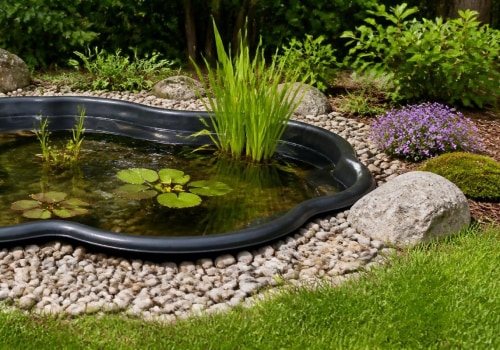
- Pond Liners: These can range from inexpensive plastic to high-quality EPDM rubber, with prices varying accordingly.
- Rocks and Gravel: Natural stone can enhance the aesthetic appeal but may increase costs significantly compared to synthetic alternatives.
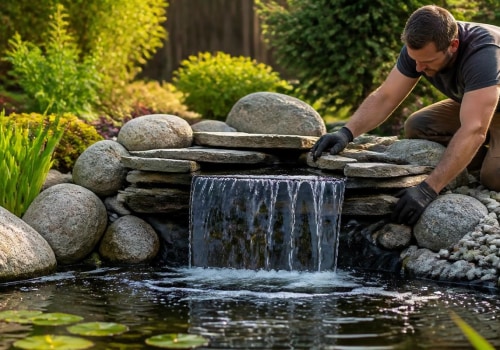
- Water Features: Adding fountains or waterfalls can elevate both the beauty and cost of your pond installation.
- Location: The geographical location of your property can also impact costs.
Areas with rocky soil may require more extensive excavation work, while regions with strict zoning laws might necessitate permits that add to the overall expense.
- Labor Costs: Hiring professionals for installation can vary widely based on local labor rates. DIY installations can save money but require time and effort, along with a certain level of expertise.
Types of Garden Ponds and Their Costs
When considering garden pond installation, it's essential to understand the various types of ponds available and their associated costs. Each type serves different purposes and comes with its own set of expenses.Koi Ponds
Koi ponds are designed specifically for keeping koi fish, which are known for their beauty and longevity.The costs associated with installing a koi pond can vary significantly based on size, depth, and the materials used. On average, you can expect to spend:
- Small Koi Pond (up to 1,000 gallons): $2,000 - $5,000
- Medium Koi Pond (1,000 - 3,000 gallons): $5,000 - $10,000
- Large Koi Pond (over 3,000 gallons): $10,000 - $20,000+
Wildlife Ponds
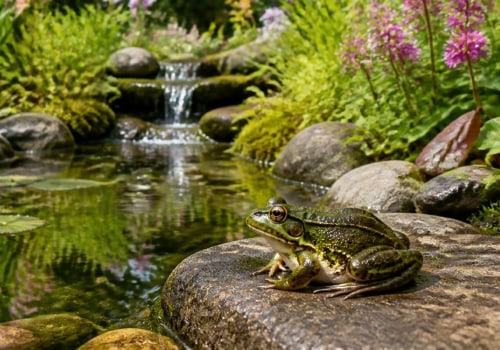
Wildlife ponds are designed to attract local fauna and promote biodiversity. They typically require less maintenance than koi ponds and can be more cost-effective. The installation costs for wildlife ponds generally range from:- Small Wildlife Pond: $1,500 - $3,500
- Medium Wildlife Pond: $3,500 - $7,000
- Large Wildlife Pond: $7,000 - $15,000+
Whether you opt for a stunning koi pond or a serene wildlife pond, understanding these expenses will help you plan your budget effectively.
DIY vs. Professional Installation: Cost Comparison
When considering garden pond installation, one of the first decisions homeowners face is whether to tackle the project themselves or hire a professional. Each option comes with its own set of costs and benefits that can significantly impact your budget.DIY Garden Pond Installation Costs
Opting for a DIY approach can be appealing due to the potential for cost savings. However, it’s essential to account for all necessary materials and tools.Here’s a breakdown of typical costs associated with DIY garden pond installation:
- Pond Liner: $100 - $500 depending on size and material.
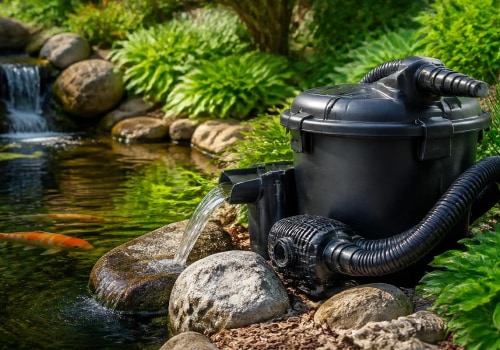
- Filtration System: $50 - $300 for basic models.
- Pumps: $50 - $200, depending on capacity.
- Plants and Fish: $50 - $300, depending on your choices.
- Tools: If you don’t already own them, expect to spend an additional $100 - $300 on shovels, hoses, and other equipment.
Professional Pond Installation Pricing
If you choose to hire professionals for your garden pond installation, the costs will generally be higher but may offer peace of mind and expertise. Professional services typically include design consultation, labor, and sometimes even maintenance. Here’s what you can expect:- Basic Installation: Starting around $1,500 for a small pond.
- Medium-Sized Ponds: Ranging from $2,500 to $5,000 based on features like waterfalls or lighting.
- Larger or Custom Ponds: Can exceed $10,000 depending on complexity and materials used.
Cost Comparison: DIY vs. Professional
The decision between DIY and professional installation ultimately depends on your budget, skill level, and desired outcome.While DIY may save money upfront, consider the value of your time and potential mistakes that could lead to additional costs. On the other hand, hiring professionals ensures a well-executed project but at a premium price. Weighing these factors will help you make an informed decision that aligns with your financial situation and vision for your garden pond.
Hidden Costs in Garden Pond Installation
When planning for garden pond installation, many homeowners focus on the obvious expenses such as materials and labor. However, there are several hidden costs that can significantly impact your overall budget.Understanding these potential expenses can help you avoid financial surprises down the line.
- Site Preparation: Before installation, the area must be cleared and leveled. This may involve removing existing landscaping, which can incur additional costs.
- Permits and Regulations: Depending on your location, you may need to obtain permits for pond installation. These fees can vary widely and should be factored into your budget.
- Water Source and Filtration: If you plan to use a pump or filtration system, consider the costs of these components. Additionally, ongoing electricity costs for running these systems can add up over time.
- Landscaping and Aesthetics: After the pond is installed, you might want to enhance its appearance with plants, rocks, or lighting.
These aesthetic upgrades can quickly increase your total expenditure.
- Maintenance Costs: Regular maintenance is essential for keeping your pond healthy. This includes cleaning, water treatments, and potential repairs to equipment.
Maintenance Costs After Installation
Once your garden pond installation is complete, it’s essential to consider the maintenance costs that will arise over time.These ongoing expenses can vary significantly based on the size of your pond, the type of fish and plants you choose, and the overall complexity of your setup.
Regular Upkeep Costs
The primary maintenance costs associated with garden ponds include:- Water Quality Management: Regular testing and treatment of pond water are crucial to maintain a healthy ecosystem. This may involve purchasing water testing kits, dechlorinators, and algaecides, which can range from $50 to $200 annually.
- Filtration and Pump Maintenance: Depending on your pond's size, you may need to replace or clean filters and pumps periodically. Budget around $100 to $300 each year for these components.
- Plant Care: Aquatic plants require care, including fertilization and replacement as they die off or become overgrown. Expect to spend about $50 to $150 annually on plant maintenance.
- Fish Food: If you have fish in your pond, regular feeding is necessary.
Quality fish food can cost between $30 and $100 per year.
Seasonal Considerations
Seasonal changes can also impact your maintenance budget:- Winter Preparation: In colder climates, you may need to invest in heaters or aerators to keep the pond from freezing over, which can add an additional $50 to $200.
- Spring Cleaning: After winter, a thorough cleaning is often required to remove debris and algae buildup. Hiring professionals for this service can cost anywhere from $100 to $500.
Frequently Asked Questions About Garden Pond Installation Costs
When considering garden pond installation, many homeowners have questions about the associated costs. Here are some of the most frequently asked questions regarding pond expenses:What is the average cost of installing a garden pond?
The average cost for garden pond installation can vary widely based on size, materials, and complexity.Typically, homeowners can expect to spend anywhere from $1,000 to $5,000 for a basic pond setup. More elaborate designs with features like waterfalls or lighting can push costs upwards of $10,000.
What factors influence the cost of garden pond installation?
- Size: Larger ponds require more materials and labor, increasing overall costs.
- Materials: The choice between pre-formed liners, flexible liners, or concrete will significantly affect pricing.
- Features: Additional elements such as fountains, lighting, and landscaping can add to the total expense.
- Labor: Hiring professionals versus DIY installation will impact your budget considerably.
Are there ongoing costs associated with maintaining a garden pond?
Yes, maintaining a garden pond involves ongoing expenses. These may include:- Water treatments: Chemicals to keep the water clean and balanced.
- Electricity: Costs for pumps and lighting systems.
- Plants and fish: Regular purchases or replacements may be necessary.
Can I save money by installing a garden pond myself?
DIY installation can significantly reduce labor costs; however, it requires time, effort, and some level of expertise. If you are comfortable with basic landscaping and have the right tools, you might save a considerable amount.Just be sure to research thoroughly to avoid costly mistakes.If you have more specific questions about your project or need personalized estimates, consulting with a professional can provide clarity on your unique situation.
Conclusion: Summarizing Garden Pond Installation Costs
In conclusion, understanding the costs associated with garden pond installation is crucial for anyone considering this beautiful addition to their outdoor space. Throughout this article, we have explored various factors that contribute to the overall expense, ensuring you are well-informed before embarking on your project.First and foremost, the size of the pond plays a significant role in determining costs. Larger ponds require more materials and labor, which can quickly escalate expenses. Additionally, the type of materials chosen—whether it be preformed liners, flexible liners, or concrete—will also impact your budget.Each material comes with its own price point and durability considerations.Another key factor is the features you wish to incorporate into your garden pond. Elements such as waterfalls, fountains, and lighting can enhance the aesthetic appeal but will also add to the overall cost. It’s essential to prioritize which features are most important to you and allocate your budget accordingly.
Maintenance costs
should not be overlooked either. Regular upkeep, including cleaning, water treatments, and potential repairs, can add ongoing expenses that need to be factored into your long-term budget.Lastly, hiring a professional for installation can significantly influence your total costs.
While DIY options may save money upfront, enlisting an expert ensures proper installation and can prevent costly mistakes down the line.By carefully considering these factors—size, materials, features, maintenance, and professional help—you can create a realistic budget for your garden pond installation. Ultimately, investing in a garden pond can enhance your landscape and provide a serene retreat for years to come.