A garden pond is more than just a decorative feature; it serves as a vital ecosystem that can significantly enhance the biodiversity of your outdoor space. By installing a pond, you create a sanctuary for various forms of wildlife, including birds, amphibians, and beneficial insects. These creatures not only contribute to the beauty of your garden but also play essential roles in maintaining ecological balance. Understanding the importance of a garden pond is crucial for anyone looking to foster a thriving natural habitat.The benefits of attracting wildlife to your garden pond extend beyond aesthetics.
Wildlife helps with natural pest control, pollination, and soil health, creating a self-sustaining environment that requires less intervention from you. For instance, frogs and dragonflies can keep mosquito populations in check, while birds can assist in pollinating plants. This interconnectedness highlights the significance of a well-planned garden pond installation, as it encourages a diverse range of species to thrive.Moreover, a garden pond acts as a microhabitat that supports various life stages of aquatic and terrestrial organisms. The presence of water attracts not only animals but also plants that can further enrich the ecosystem.
Native plants around the pond provide shelter and food sources for wildlife, creating a harmonious balance that benefits both flora and fauna. By understanding these dynamics, you can appreciate how your garden pond can become a vibrant hub of life, making your outdoor space not just beautiful but ecologically significant.
Planning Your Garden Pond Installation
When considering garden pond installation, careful planning is essential to create a thriving ecosystem that attracts wildlife. Start by determining the size of your pond. A larger pond generally supports a wider variety of species, but even a small pond can be effective if designed thoughtfully.Aim for a minimum depth of 2 feet to prevent freezing in winter and to provide a habitat for fish and amphibians.Next, think about the location of your pond. Choose a spot that receives partial sunlight, as this will help maintain water temperature and promote plant growth. Avoid areas with heavy tree cover, as falling leaves can lead to excessive debris and nutrient buildup, which may harm aquatic life.Once you have the size and location figured out, it’s time to explore pond design ideas. Incorporate natural elements such as rocks and native plants around the edges to create a more inviting environment for wildlife.
Consider adding shallow areas where frogs can bask and birds can drink. Installing a small waterfall or fountain can also enhance oxygen levels in the water, benefiting fish and other aquatic organisms.Finally, think about accessibility for both you and the wildlife. Create gentle slopes leading into the pond rather than steep edges, allowing animals easy access to water. By thoughtfully planning your garden pond installation with these considerations in mind, you’ll create a vibrant habitat that attracts a diverse range of wildlife.
Choosing the Right Materials for Your Pond
When it comes to garden pond installation, the choice of materials plays a crucial role not only in the durability of your pond but also in its ability to attract wildlife.Selecting the right materials can create a thriving ecosystem that invites various species to visit and inhabit your garden.
Pond Liners
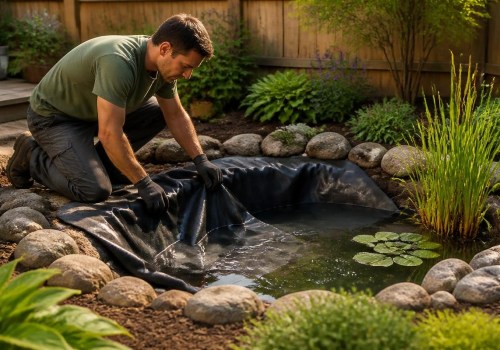
The first step in constructing your pond is choosing a suitable liner. There are several options available:- EPDM Rubber Liners: These are highly durable and flexible, making them ideal for irregularly shaped ponds. They are also resistant to UV rays and extreme temperatures, ensuring longevity.
- Polyethylene Liners: While more affordable, these liners may not last as long as EPDM. However, they can still be effective for smaller ponds.
- Natural Clay: For an eco-friendly option, consider using natural clay.
It can hold water effectively and supports a natural habitat for wildlife.
Eco-Friendly Installation
Incorporating eco-friendly materials into your garden pond installation can significantly enhance its appeal to wildlife. Here are some sustainable choices:- Recycled Materials: Use reclaimed stones or bricks for the pond's edging. This not only reduces waste but also provides natural hiding spots for frogs and other small creatures.
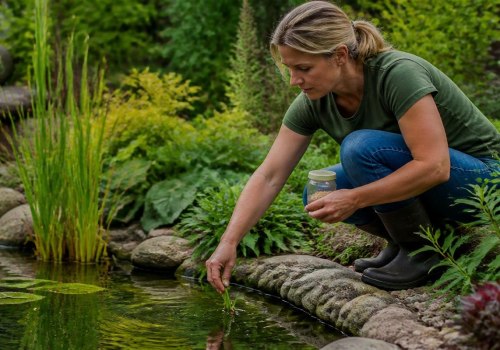
- Native Plants: Surround your pond with native aquatic plants. These plants require less maintenance and provide food and shelter for local wildlife.
- Natural Filtration Systems: Instead of chemical treatments, consider using plants for filtration.
This promotes a healthier environment for fish and amphibians.
Creating a Natural Habitat Around Your Pond
Creating a thriving ecosystem around your garden pond is essential for attracting wildlife. By incorporating native plants and thoughtful landscaping, you can enhance the natural beauty of your pond while providing essential habitats for various species.Choosing Native Plants
- Water Lilies: These floating plants not only add beauty but also provide shade and shelter for fish and amphibians.
- Cattails: Ideal for the edges of your pond, cattails offer nesting sites for birds and help filter water.
- Pickerel Rush: This plant attracts pollinators and provides cover for small aquatic creatures.
- Blue Flag Iris: With its striking flowers, this iris supports local wildlife and thrives in wet conditions.
Landscaping Tips
- Create a gentle slope leading to the pond to allow easy access for animals.
- Incorporate rocks and logs around the pond's edge to provide basking spots for reptiles and resting areas for birds.
- Avoid using chemical fertilizers or pesticides, as these can harm aquatic life.
Habitat Creation
To further enhance the habitat, consider adding features such as:
- Birdhouses: Place them nearby to attract songbirds that can help control insect populations.
- Insect Hotels: These structures encourage beneficial insects, which are crucial for pollination and pest control.
- Compost Piles: A compost area can attract earthworms and other decomposers that enrich the soil around your pond.
Water Quality and Maintenance for Wildlife Attraction
To attract a diverse range of wildlife to your garden pond, maintaining optimal water quality is crucial. Healthy water not only supports aquatic life but also creates a thriving ecosystem that draws in birds, insects, and other animals.Maintaining Pond Water Quality
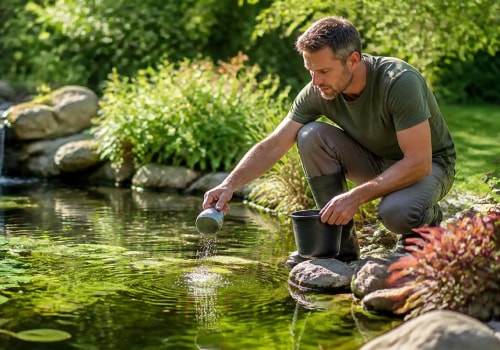
- Regular Testing: Use a water testing kit to monitor pH levels, ammonia, nitrite, and nitrate concentrations.
Ideal pH levels for most wildlife-friendly ponds range from 6.5 to 8.5.
- Filtration Systems: Invest in a good filtration system to keep the water clear and free from debris. This helps maintain oxygen levels and reduces harmful bacteria.
- Water Changes: Perform partial water changes regularly to dilute pollutants and replenish essential minerals.
Wildlife-Friendly Pond Maintenance
- Avoid Chemicals: Steer clear of pesticides and herbicides that can harm aquatic life. Instead, use natural alternatives to manage pests.
- Native Plants: Incorporate native aquatic plants around the pond's edges. These plants provide shelter and food for wildlife while helping to stabilize the ecosystem.
- Shaded Areas: Create shaded spots using overhanging plants or structures.
This helps regulate water temperature and provides refuge for fish and amphibians.
Algae Control in Ponds
- Nutrient Management: Limit nutrient runoff from fertilizers by planting buffer zones with native vegetation around the pond.
- Aeration: Use aerators to increase oxygen levels in the water, which can help prevent algae blooms.
- Natural Predators: Introduce fish species that feed on algae, such as goldfish or koi, to help keep algae growth in check.
Adding Features to Enhance Wildlife Attraction
To create a thriving ecosystem in your garden pond, incorporating various features can significantly enhance its appeal to wildlife. By adding elements such as rocks, logs, and aquatic plants, you can provide essential habitats for different species.Rocks and Logs
Integrating rocks and logs into your pond design serves multiple purposes. These natural materials not only add aesthetic value but also create vital shelter for amphibians, insects, and small mammals. Here are some ways to utilize them:- Rocks: Place flat stones around the pond's edge to create basking spots for turtles and frogs.
Additionally, submerged rocks can provide hiding places for fish and invertebrates.
- Logs: Positioning logs partially submerged in the water offers a resting area for birds and a breeding ground for beneficial insects. They also help stabilize the pond's ecosystem by providing organic matter as they decompose.
Aquatic Plants
A diverse range of aquatic plants is crucial for attracting wildlife. These plants not only improve water quality but also offer food and shelter. Consider including:- Floating plants: Species like water lilies and duckweed provide shade and cover for fish while helping to reduce algae growth.
- Marginal plants: Plants such as cattails and rushes along the pond's edge create a natural habitat for birds and insects.
- Submerged plants: These plants oxygenate the water and serve as hiding spots for fry (young fish), promoting a healthy aquatic environment.
Common Wildlife You Can Attract to Your Garden Pond
Creating a thriving ecosystem in your garden pond can attract a variety of wildlife species, enhancing both the beauty and biodiversity of your outdoor space.Here are some common species you can expect to see:
- Frogs and Toads: These amphibians are often the first visitors to a garden pond. To attract them, ensure there are plenty of plants around the pond for cover and breeding. Native species like the American Bullfrog or the Green Frog thrive in such environments.
- Birds: Many birds are drawn to water sources for drinking and bathing. Installing a shallow area or a small waterfall can create an inviting habitat for species like robins, sparrows, and even herons.
Consider adding perches nearby for birds to rest.
- Dragonflies and Damselflies: These insects are not only beautiful but also beneficial as they help control mosquito populations. Planting native grasses and providing sunny spots near the water will encourage their presence.
- Turtles: If your pond is large enough, you might attract turtles. They enjoy basking on rocks or logs placed around the pond's edge.
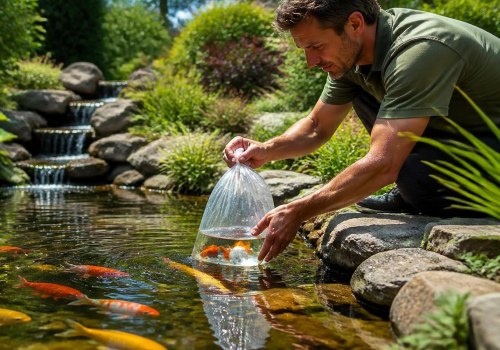
- Fish: Adding fish like goldfish or koi can enhance your pond's ecosystem. They help keep algae in check while providing food for larger wildlife.
- Create varied depths: Different wildlife prefers different depths of water.
A sloped edge allows easy access for frogs and other creatures.
- Add native plants: Incorporating native aquatic plants not only beautifies your pond but also provides shelter and food for various species.
- Avoid chemicals: Using pesticides or herbicides can harm the delicate balance of your pond's ecosystem. Opt for organic methods to maintain plant health.
FAQs About Attracting Wildlife to Garden Ponds
Creating a thriving ecosystem in your garden pond can be a rewarding experience, but it often raises several questions. Here are some frequently asked questions about attracting wildlife to your garden pond:What types of wildlife can I expect to attract?
A well-maintained garden pond can attract a variety of wildlife, including:- Birds: Species such as robins, sparrows, and even ducks may visit for water and food.
- Insects: Dragonflies and damselflies are common visitors that help control mosquito populations.
- Amphibians: Frogs and toads often make their homes in ponds, contributing to the ecosystem.
- Mammals: Small mammals like raccoons and deer may come to drink from the pond.
How can I enhance my garden pond for wildlife?
To make your garden pond more inviting for wildlife, consider the following tips:- Add native plants: Incorporate native aquatic plants that provide shelter and food for various species.
- Create shallow areas: Shallow edges allow animals to access water easily and provide breeding grounds for amphibians.
- Avoid chemicals: Use organic methods for pest control to keep the water safe for wildlife.
- Install a small waterfall or fountain: Moving water attracts birds and creates a soothing environment.
What are common issues with garden ponds?
While garden ponds can be beautiful, they may encounter some common issues:- Algae growth: Excess nutrients can lead to algae blooms, which can harm aquatic life. Regular maintenance is key.
- Pond leaks: Check for leaks regularly; they can disrupt the ecosystem and lead to water loss.
- Pest infestations: Monitor for pests like mosquitoes; introducing natural predators can help manage their populations.
Conclusion: Embracing Nature with Your Garden Pond
In conclusion, creating a wildlife-friendly garden pond is not just about aesthetics; it’s about fostering a vibrant ecosystem right in your backyard.By implementing the strategies discussed, you can transform your pond into a sanctuary for various species, enhancing both biodiversity and your personal enjoyment of nature. To recap, consider the following key points:
- Choose the Right Location: Position your pond in a spot that receives both sunlight and shade to attract a diverse range of wildlife.
- Incorporate Native Plants: Utilize native aquatic and marginal plants to provide food and shelter for local wildlife.
- Create Varied Depths: Design your pond with varying depths to accommodate different species, from frogs to fish.
- Avoid Chemicals: Keep your pond chemical-free to maintain a healthy environment for all creatures.
- Add Natural Features: Include rocks, logs, and shallow areas to create habitats for insects and amphibians.