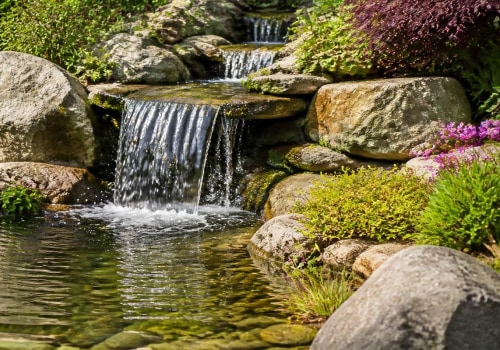
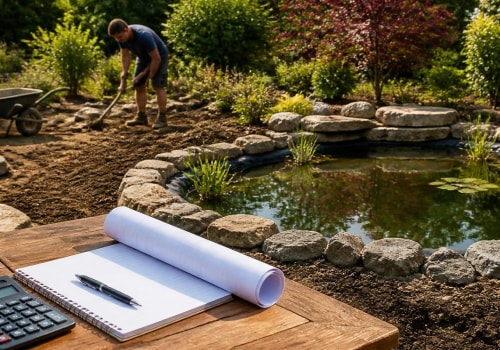
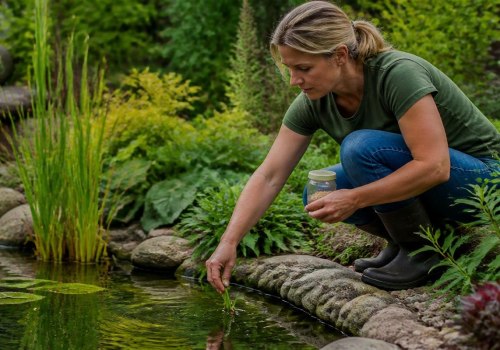
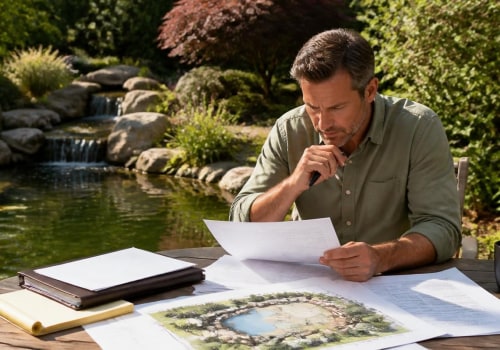
When considering garden pond installation, it is essential to understand the broader environmental impact that such projects can have on local ecosystems. A garden pond is not merely a decorative feature; it serves as a habitat for various wildlife, including amphibians, insects, and aquatic plants. However, the installation process and ongoing maintenance can significantly influence the surrounding environment, making it crucial for homeowners and gardeners to approach this endeavor with care. One of the primary ecological benefits of a well-planned garden pond is its ability to enhance biodiversity. By creating a microhabitat, garden ponds can attract beneficial species that contribute to a balanced ecosystem.
For instance, frogs and dragonflies help control pest populations, while native plants provide food and shelter for various organisms. However, improper installation or maintenance practices can lead to issues such as water pollution or habitat destruction, which can negate these benefits. Moreover, understanding the local climate and soil conditions is vital for ensuring that your garden pond thrives without causing harm to the environment. Factors such as water source, drainage patterns, and existing wildlife must be considered to create a sustainable pond that complements rather than disrupts the natural landscape. As we delve deeper into the specifics of garden pond installation, we will explore how to balance aesthetic desires with ecological responsibility, ensuring that your garden pond becomes a harmonious part of your outdoor space.
Choosing the Right Location for Your Pond
When considering garden pond installation, selecting the right location is crucial for both the health of the pond and the surrounding environment.A well-placed pond can enhance your garden's aesthetics while providing a habitat for wildlife.
Sunlight Exposure
One of the primary factors to consider is sunlight exposure. Most aquatic plants thrive in full sun, requiring at least six hours of direct sunlight each day. However, too much sun can lead to excessive algae growth, which can harm fish and other aquatic life. Aim for a balance by choosing a location that receives morning sun and some afternoon shade.This setup helps maintain water temperature and reduces algae proliferation.
Drainage Considerations
Another critical aspect is drainage. Ensure that the site you choose has good drainage to prevent water from pooling around the pond area. Poor drainage can lead to muddy conditions and may introduce contaminants into the pond. If your garden has heavy clay soil, consider installing a drainage system or selecting a raised pond design to mitigate these issues.Proximity to Existing Ecosystems
Finally, consider the proximity to existing ecosystems.Placing your pond near native plants or existing wildlife habitats can encourage biodiversity. However, avoid locations too close to large trees, as their roots may invade the pond and their leaves can create debris problems. Additionally, ensure that your pond is not situated in areas prone to flooding or runoff from fertilizers and pesticides, which could harm aquatic life.By carefully evaluating these factors—sunlight exposure, drainage considerations, and proximity to existing ecosystems—you can create a thriving garden pond that enhances both your landscape and local biodiversity.
Water Quality and Ecosystem Balance
When considering garden pond installation, one of the most critical aspects to address is water quality. The health of your pond directly influences the well-being of its inhabitants, including fish, amphibians, and various aquatic plants.Maintaining optimal water quality is essential for creating a thriving ecosystem.
Water quality
can be affected by several factors, including nutrient levels, pH balance, and the presence of harmful substances. Regular testing of these parameters is vital. Here are some key components to monitor:- Nutrient Levels: Excess nutrients, particularly nitrogen and phosphorus, can lead to algal blooms that deplete oxygen levels in the water.
- pH Balance: Most aquatic life thrives in a pH range of 6.5 to 8.5.Regular testing can help you maintain this balance.
- Dissolved Oxygen: Essential for fish and other aquatic organisms, maintaining adequate oxygen levels is crucial, especially during warmer months.
- Oxygenators: Plants like hornwort and elodea release oxygen into the water, supporting fish and other wildlife.
- Floating Plants: Water lilies and duckweed provide shade, reducing algae growth by limiting sunlight penetration.
- Marginal Plants: Species such as cattails and irises help filter pollutants and stabilize pond banks.
Regular maintenance practices such as removing debris and controlling algae growth will further support a healthy pond environment.Ultimately, successful garden pond installation hinges on understanding and managing these environmental considerations. By prioritizing water quality and fostering a balanced ecosystem with diverse aquatic plants, you can create a sustainable habitat that flourishes year-round.
Wildlife Considerations in Pond Installation
When considering garden pond installation, one of the most rewarding aspects is the potential to create a thriving wildlife habitat. A well-designed pond can attract a variety of species, enhancing the biodiversity of your garden and providing essential resources for local wildlife.Attracting Wildlife
- Birds: Installing shallow edges and providing perches can attract birds looking for a drinking or bathing spot.
- Amphibians: Frogs and toads are drawn to ponds for breeding. Ensure there are areas with vegetation where they can hide from predators.
- Insects: Dragonflies and damselflies thrive in pond environments.
Planting native flowers nearby can provide additional food sources for these beneficial insects.
- Native Plants: Incorporate a variety of native aquatic and marginal plants. These not only provide shelter and food for wildlife but also help maintain water quality.
- Avoid Chemicals: Steer clear of pesticides and herbicides that can harm aquatic life. Instead, use organic gardening methods to protect your pond's ecosystem.
- Natural Filtration: Utilize natural filtration systems, such as plants and gravel, to keep the water clean without relying on harsh chemicals.
Sustainable Materials and Construction Practices
When considering garden pond installation, selecting sustainable materials and employing eco-friendly construction practices are crucial for minimizing environmental impact.By prioritizing these elements, you can create a beautiful aquatic habitat that supports local wildlife while reducing your carbon footprint.
Sustainable Materials
- Natural Stone: Using locally sourced natural stone for pond edging not only enhances the aesthetic appeal but also reduces transportation emissions. Natural stone blends seamlessly with the environment and provides habitats for beneficial organisms.
- Recycled Materials: Incorporating recycled materials, such as reclaimed wood or recycled plastic liners, can significantly lower the environmental impact of your pond. These materials often require less energy to produce and help divert waste from landfills.
- Non-Toxic Sealants: If your pond requires sealing, opt for non-toxic, eco-friendly sealants that do not leach harmful chemicals into the water. This ensures a safe environment for fish and plants.
Eco-Friendly Construction Practices
- Minimal Disturbance: During installation, aim to disturb the surrounding ecosystem as little as possible.
This includes preserving existing vegetation and avoiding heavy machinery that can compact soil and damage habitats.
- Water Conservation: Implementing rainwater harvesting systems can provide a sustainable water source for filling your pond. This practice not only conserves municipal water but also helps manage stormwater runoff.
- Native Plants: When landscaping around your pond, choose native plants that require less maintenance and are better adapted to local conditions. These plants support local wildlife and contribute to biodiversity.
Managing Invasive Species and Algae Growth
When considering garden pond installation, managing invasive species and controlling algae growth are crucial for maintaining a balanced ecosystem. Invasive species can disrupt the natural habitat, outcompeting native plants and animals, while excessive algae can lead to oxygen depletion, harming aquatic life.Identifying Invasive Species
The first step in managing invasive species is to identify them.Common invasive plants include:
- Cattails (Typha spp.)
- Water Hyacinth (Eichhornia crassipes)
- Purple Loosestrife (Lythrum salicaria)
- Giant Reed (Arundo donax)
Control Methods for Invasive Species
To control invasive species, consider the following strategies:- Manual Removal: Hand-pulling or using tools to remove invasive plants can be effective, especially in smaller ponds.
- Chemical Treatments: Herbicides may be necessary for larger infestations, but they should be used cautiously to avoid harming native species.
- Biological Control: Introducing natural predators or competitors can help manage invasive populations without chemicals.
Controlling Algae Growth
Algae control is essential for a healthy pond environment. Here are some effective methods:- Nutrient Management: Reduce nutrient runoff from fertilizers and organic matter entering the pond. This can be achieved by creating buffer zones with native plants around the pond.
- Aeration: Installing aerators can improve water circulation and oxygen levels, making it harder for algae to thrive.
- Shade Provision: Adding floating plants or installing shade structures can limit sunlight penetration, which is essential for algae growth.
By effectively managing invasive species and controlling algae growth, you can ensure that your garden pond remains a vibrant and healthy ecosystem.
Legal Regulations and Permits for Pond Installation
When considering garden pond installation, it is crucial to be aware of the various legal regulations and permits that may apply in your area. These regulations can vary significantly depending on your location, so it is essential to conduct thorough research before proceeding with your project.Understanding Local Regulations
- Zoning Laws: Many municipalities have specific zoning laws that dictate where ponds can be installed. These laws may restrict the size, depth, and location of your pond in relation to property lines and other structures.
- Water Rights: In some regions, water rights can affect your ability to create a pond. Ensure you understand who owns the water in your area and whether you need permission to use it.
- Environmental Protection Regulations: If your pond will impact local wildlife or ecosystems, you may need to comply with environmental protection laws.
This could involve assessments or permits from local environmental agencies.
Permits Required for Pond Installation
- Building Permits: Depending on the size and complexity of your pond, a building permit may be required. Check with your local building department to determine if this applies to your project.
- Water Use Permits: If you plan to fill your pond with water from a well or other source, you might need a water use permit. This is particularly important in areas facing water scarcity.
- Dredging Permits: If your pond installation involves dredging or altering existing waterways, you may need a dredging permit from state or federal agencies.
Frequently Asked Questions About Garden Pond Installation
When considering garden pond installation, many homeowners have questions that can help clarify the process and ensure a successful outcome.Here are some frequently asked questions:
- What size pond should I install?
The size of your pond will depend on your available space, budget, and intended use. A small pond can be as little as 50 gallons, while larger installations can exceed 1,000 gallons. Consider the types of plants and fish you want to include, as they will require adequate space. - How deep should my pond be?
Depth is crucial for maintaining a healthy ecosystem. Generally, a depth of at least 2 feet is recommended to prevent freezing in colder climates and to provide a safe habitat for fish. - What materials are best for pond liners?
Common materials include EPDM rubber, PVC, and fiberglass.Each has its pros and cons regarding durability, flexibility, and cost. EPDM is popular due to its longevity and resistance to UV rays.
- How do I maintain water quality?
Regular maintenance is essential for a healthy pond. This includes monitoring pH levels, removing debris, and ensuring proper filtration. Adding beneficial bacteria can also help maintain water clarity. - Can I install a pond myself?
While DIY installation is possible, it requires careful planning and knowledge of landscaping principles.If you're unsure, hiring a professional can save time and ensure proper installation.
Conclusion: Embracing Eco-Friendly Garden Pond Practices
In conclusion, the journey of garden pond installation is not merely about aesthetics; it is a profound commitment to fostering a sustainable ecosystem. By integrating eco-friendly practices, we can create a harmonious balance between our gardens and the natural environment. Throughout this article, we have explored several critical environmental considerations that should guide your pond installation process:- Water Quality: Ensuring clean water through natural filtration methods helps maintain a healthy habitat for aquatic life.
- Native Plants: Incorporating native flora not only enhances biodiversity but also reduces the need for chemical fertilizers and pesticides.
- Wildlife Habitat: Designing your pond to support local wildlife, such as frogs and dragonflies, contributes to the ecological balance.
- Energy Efficiency: Utilizing solar-powered pumps and lights minimizes energy consumption and reduces your carbon footprint.
As you embark on your garden pond installation, let your choices reflect a commitment to environmental stewardship. Ultimately, embracing eco-friendly practices in your garden pond project will yield benefits that extend beyond your backyard. It fosters a deeper connection with nature and encourages others in your community to consider their environmental impact. Together, we can cultivate spaces that are not only visually stunning but also ecologically responsible.