Incorporating a waterfall into your garden pond installation can transform an ordinary outdoor space into a serene oasis. The gentle sound of cascading water not only creates a soothing atmosphere but also enhances the overall aesthetic appeal of your garden. Imagine the tranquil ambiance as you relax by your pond, listening to the rhythmic flow of water while surrounded by lush greenery and vibrant flowers. Beyond aesthetics, a waterfall serves practical purposes as well. It helps to aerate the water in your pond, promoting a healthier ecosystem for fish and aquatic plants.
This increased oxygenation can lead to a more vibrant aquatic life, making your garden pond not just visually appealing but also a thriving habitat for wildlife. Additionally, the movement of water can deter algae growth, keeping your pond cleaner and more inviting. Moreover, waterfalls attract various forms of wildlife, including birds and butterflies, which can add life and color to your garden. The presence of these creatures not only enhances the beauty of your outdoor space but also contributes to the ecological balance in your garden. By integrating a waterfall into your garden pond installation, you create a dynamic environment that invites nature right to your doorstep.
Planning Your Garden Pond with a Waterfall
Incorporating a waterfall into your garden pond installation can transform your outdoor space into a serene oasis.The planning phase is crucial to ensure that the waterfall complements the pond and enhances the overall aesthetic of your garden.
Site Selection
- Choose a location that allows for natural water flow. Ideally, the waterfall should be positioned at a higher elevation than the pond to facilitate gravity-fed water movement.
- Consider sunlight exposure; a partially shaded area can help prevent excessive algae growth while still allowing for beautiful reflections.
- Ensure accessibility for maintenance. You’ll want to be able to reach both the pond and the waterfall easily for cleaning and repairs.
Size Considerations
- The size of your waterfall should be proportional to your pond. A small pond may look overwhelmed by a large waterfall, while a tiny waterfall might not have enough visual impact in a larger pond.
- Think about the height and width of the waterfall.
A taller waterfall can create dramatic sounds and visuals, while a wider one can provide a gentle trickle that’s soothing.
Design Ideas
- Naturalistic Design: Use rocks and boulders to create a more organic look. This style mimics nature and blends seamlessly with surrounding plants.
- Formal Design: For a more structured appearance, consider straight lines and geometric shapes. This can give your garden a polished, modern feel.
- Multi-Tiered Waterfall: Incorporating multiple levels can add depth and interest. Each tier can have its own unique features, such as different types of stones or aquatic plants.
Proper planning will ensure that your waterfall not only looks stunning but also functions effectively within your garden ecosystem.
Choosing the Right Materials for Your Waterfall and Pond
When planning your garden pond installation, selecting the right materials for your waterfall and pond is crucial for both aesthetics and functionality. Here are some key materials to consider:Rocks and Stones
Natural stones are a popular choice for creating a waterfall due to their organic appearance.Granite
, limestone, and slate are excellent options that blend well with the surrounding landscape. When choosing rocks, consider:- Size: Larger stones can create dramatic cascades, while smaller stones can be used for gentle flows.
- Texture: Rough textures help create a more natural look and provide surfaces for plants and algae to grow.
Pond Liners
A durable pond liner is essential for preventing leaks and maintaining water levels.There are two main types of liners:
- EPDM Rubber Liners: Highly flexible and resistant to UV rays, making them ideal for various shapes and sizes.
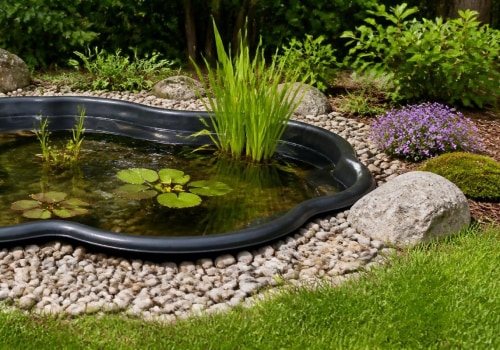
- Preformed Liners: Rigid and easy to install, these come in specific shapes but may limit design flexibility.
Pumps and Filtration Systems
A reliable pump is vital for circulating water in your waterfall, ensuring it flows smoothly. When selecting a pump, consider:- Flow Rate: Choose a pump that can handle the volume of water in your pond and the height of your waterfall.
- Energy Efficiency: Look for energy-efficient models to reduce operational costs.
- Mechanical Filters: Remove debris from the water.
- Bacterial Filters: Promote beneficial bacteria that break down harmful substances.
Step-by-Step Guide to Installing Your Garden Pond with a Waterfall
Installing a garden pond with a waterfall can transform your outdoor space into a serene oasis. Follow this step-by-step guide to ensure a successful installation.- Planning Your Design: Start by sketching your pond and waterfall layout.
Consider the size, shape, and location. Ensure it complements your garden's aesthetics and receives adequate sunlight.
- Gathering Materials: You will need a pond liner, a pump, tubing, rocks, and plants. Choose a pump that can handle the volume of water you plan to circulate through the waterfall.
- Excavating the Pond: Dig out the area for your pond according to your design. Make sure to create varying depths to accommodate fish and plants.
The deepest part should be at least 2 feet deep.
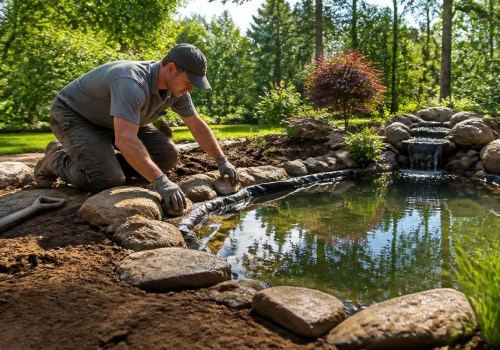
- Installing the Pond Liner: Lay down the pond liner carefully, ensuring it fits snugly into the excavated area. Smooth out any wrinkles and secure it with rocks around the edges.
- Creating the Waterfall: Build up a small hill or mound where you want your waterfall to flow from. Use rocks to create a natural look, ensuring they are stable and secure.
- Setting Up the Pump: Place the pump at the bottom of the pond. Connect it to the tubing that will carry water to the top of your waterfall.
Make sure all connections are tight to prevent leaks.
- Filling the Pond: Fill your pond with water, allowing it to settle for a day or two before adding any plants or fish. This will help clear any debris from the liner.
- Testing the Waterfall: Turn on the pump and check for proper water flow over the waterfall. Adjust rocks as necessary to achieve your desired effect.
- Add Plants and Fish: Once everything is functioning well, introduce aquatic plants and fish to enhance your pond's ecosystem.
Maintaining Your Garden Pond and Waterfall
Maintaining your garden pond and waterfall is crucial for ensuring a healthy ecosystem and an aesthetically pleasing landscape. Regular upkeep not only enhances the beauty of your water features but also prevents potential issues that could arise from neglect.Regular Cleaning
One of the most important aspects of garden pond maintenance is keeping the water clean.Debris such as leaves, twigs, and algae can accumulate, leading to poor water quality. Here are some tips for effective cleaning:
- Skim the Surface: Use a net to remove floating debris weekly, especially during fall when leaves are abundant.
- Vacuum the Bottom: Invest in a pond vacuum to remove sediment and muck that settles at the bottom.
- Clean Filters: Regularly check and clean your pond filters to ensure optimal water circulation.
Water Quality Management
Maintaining water quality is essential for both fish and plant life in your pond. Test the water regularly for pH levels, ammonia, nitrites, and nitrates. Here are some key practices:- Add Beneficial Bacteria: Introduce beneficial bacteria to help break down organic waste and improve water clarity.
- Aerate the Water: Ensure proper aeration through fountains or waterfalls to maintain oxygen levels.
- Monitor Temperature: Keep an eye on water temperature, especially during extreme weather conditions, as it affects fish health.
Waterfall Upkeep
Your waterfall not only adds beauty but also plays a vital role in aerating your pond.To keep it functioning well:
- Check for Clogs: Regularly inspect the waterfall for any blockages caused by debris or algae buildup.
- Maintain Pump Functionality: Ensure that the pump is working efficiently; clean or replace it as needed to prevent breakdowns.
- Adjust Water Flow: Periodically adjust the flow rate to create a pleasing sound and visual effect while ensuring adequate aeration.
Common Challenges and Solutions in Garden Pond Installation with Waterfalls
Installing a garden pond with a waterfall can enhance the beauty of your outdoor space, but it also comes with its own set of challenges. Understanding these common issues and their solutions can help ensure a successful installation.Water Flow Issues
One of the most frequent problems encountered during waterfall installation is inadequate water flow. This can lead to a trickle instead of a cascading effect, diminishing the aesthetic appeal of your pond.To troubleshoot:
- Check Pump Size: Ensure that your pump is appropriately sized for the waterfall's height and width. A pump that is too small will struggle to push water effectively.
- Inspect Hoses: Look for kinks or blockages in the hoses that may restrict water flow. Clear any debris that may be obstructing the path.
- Adjust Waterfall Height: If the waterfall is too high, it may require more power to push the water up. Consider lowering it slightly to improve flow.
Pond Leakage
Pond leakage is another common challenge that can arise during installation.If you notice a drop in water levels, follow these steps:
- Inspect Liners: Check for punctures or tears in the pond liner. Repair any damage with appropriate liner patches.
- Seal Joints: Ensure that all joints between the pond and waterfall are sealed properly to prevent leaks.
- Monitor Surrounding Soil: Sometimes, water can seep into surrounding soil. Make sure your pond is level and that the surrounding area is graded away from the pond.
Algae Growth
A thriving garden pond can sometimes lead to unwanted algae growth, especially in areas with stagnant water. To combat this issue:- Add Plants: Incorporate aquatic plants that compete with algae for nutrients and sunlight.
- Use UV Clarifiers: Installing a UV clarifier can help control algae by killing off free-floating algae cells.
- Maintain Water Quality: Regularly test and maintain water quality to keep nutrient levels balanced.
Frequently Asked Questions About Garden Ponds and Waterfalls
When considering garden pond installation, many homeowners have questions about integrating features like waterfalls.Here are some frequently asked questions that can help clarify your concerns:
What are the benefits of adding a waterfall to my garden pond?
Incorporating a waterfall into your garden pond can enhance its aesthetic appeal and provide several functional benefits:- Sound and ambiance: The soothing sound of flowing water creates a tranquil atmosphere, making your garden a peaceful retreat.
- Oxygenation: Waterfalls help to aerate the pond, promoting a healthier environment for fish and aquatic plants.
- Water circulation: A waterfall aids in preventing stagnation, reducing algae growth and maintaining clearer water.
How do I choose the right size waterfall for my pond?
The size of your waterfall should be proportional to your pond. Here are some tips:- A waterfall that is too large can overwhelm a small pond, while a tiny waterfall may look insignificant in a larger body of water.
- A general rule is to aim for a waterfall height of about 1/3 the width of the pond.
What materials are best for building a waterfall?
You can use various materials to construct your waterfall, including:- Natural stone: Provides an organic look and blends seamlessly with the landscape.
- Poured concrete: Offers durability and can be molded into unique shapes.
- Preformed liners: These are easy to install and come in various designs.
Do I need a pump for my waterfall?
Yes, a pump is essential for circulating water from the pond to the top of the waterfall. When selecting a pump, consider:- The flow rate, which should match the desired height and width of your waterfall.
- The energy efficiency of the pump to minimize operational costs.
Conclusion: Transforming Your Garden with a Waterfall Feature
Incorporating a waterfall into your garden pond installation can significantly enhance the aesthetic and auditory appeal of your outdoor space. As we have explored throughout this article, a waterfall not only adds beauty but also contributes to the overall health of your pond ecosystem.Key Benefits of Adding a Waterfall:
- Enhanced Aesthetics: The sight and sound of flowing water create a tranquil atmosphere, making your garden a serene retreat.
- Improved Water Quality: Waterfalls promote aeration, which is essential for maintaining healthy oxygen levels in your pond, benefiting fish and aquatic plants.
- Natural Filtration: The movement of water helps to filter out debris and algae, reducing the need for chemical treatments.
- Wildlife Attraction: A waterfall can attract various wildlife, including birds and butterflies, enriching the biodiversity of your garden.
Whether you opt for a naturalistic look with rocks and plants or a more modern design with clean lines, the waterfall should harmonize with the overall theme of your garden.In conclusion, adding a waterfall to your garden pond is not just about aesthetics; it’s about creating a vibrant ecosystem that supports life while providing you with a peaceful retreat. By following the guidelines discussed in this article, you can successfully integrate this feature into your garden, transforming it into a stunning oasis that you can enjoy for years to come.