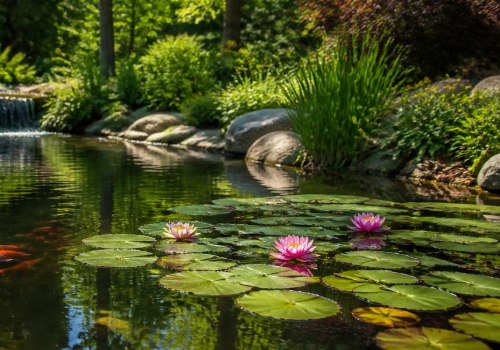
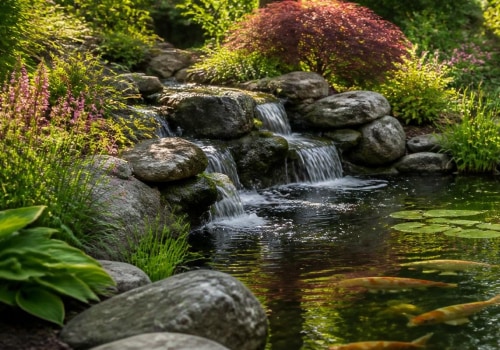
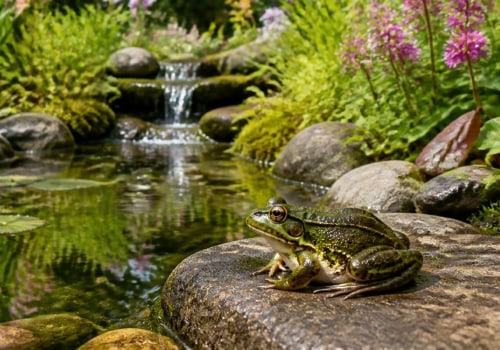
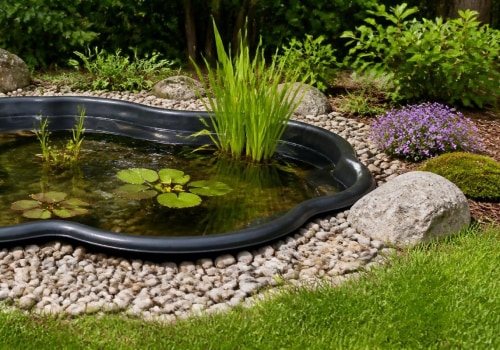
A garden pond is more than just a decorative feature in your landscape; it serves as a vital component of a thriving garden pond ecosystem. Understanding the intricate relationships within this ecosystem is essential for maintaining a balanced environment that supports both aquatic life and the surrounding flora and fauna. A healthy pond not only enhances the aesthetic appeal of your garden but also plays a crucial role in promoting biodiversity, providing habitat for various species, and contributing to the overall health of your garden. When you install a garden pond, you create a miniature ecosystem that can support fish, amphibians, insects, and plants. Each element within this system interacts with one another, forming a delicate balance that can be easily disrupted by external factors such as pests.
Recognizing the importance of healthy pond management is key to ensuring that your pond remains a sanctuary for wildlife while minimizing the impact of unwanted pests. Moreover, a well-maintained garden pond can act as a natural pest deterrent. By fostering an environment where beneficial organisms thrive, you can reduce the likelihood of pest infestations. For instance, certain fish species feed on mosquito larvae, while dragonflies and frogs help control insect populations. Thus, understanding how to cultivate a healthy garden pond ecosystem not only enhances its beauty but also equips you with effective strategies for managing pests naturally.
Common Pests Found Around Garden Ponds
When it comes to garden pond installation, understanding the common pests that may inhabit the area is essential for maintaining a healthy ecosystem.Various insects, rodents, and aquatic pests can disrupt the balance of your pond and affect its overall health.
Insects
Insects are among the most prevalent pests around garden ponds. Some of the most common include:- Dragonflies: While beneficial as they prey on mosquitoes, their larvae can sometimes compete with fish for food.
- Mosquitoes: These pests breed in stagnant water and can become a nuisance. Regularly checking for standing water and using natural repellents can help manage their population.
- Aphids: Often found on aquatic plants, aphids can weaken plants by sucking their sap. Introducing ladybugs can help control their numbers.
Rodents
Rodents such as mice and raccoons may also be attracted to your garden pond.They are often drawn to the water source and may disturb plants or prey on fish. To deter these animals:
- Install fencing around the pond.
- Use motion-activated lights or noise devices to scare them away.
Aquatic Pests
Aquatic pests like snails and leeches can also pose a threat to your pond's health. Snails may feed on plants, while leeches can attach to fish. To manage these pests:- Regularly inspect your pond for signs of infestation.
- Introduce natural predators, such as certain fish species that feed on snails and leeches.
Preventive Measures for Pest Control
Creating a thriving ecosystem around your garden pond requires careful planning and proactive measures to prevent pest infestations.Here are some effective strategies to keep pests at bay:
- Design Considerations: When installing your garden pond, consider its shape and depth. A deeper pond can help deter certain pests, as many insects prefer shallow waters for breeding.
- Water Quality Management: Regularly check and maintain the water quality in your pond. Stagnant water can attract mosquitoes and other pests. Implementing a filtration system can help keep the water clean and moving.
- Plant Selection: Choose native plants that are less susceptible to pests.
Incorporating plants like water lilies and lotus not only beautifies your pond but also provides natural habitats for beneficial insects that prey on pests.
- Natural Predators: Encourage the presence of natural predators such as frogs, dragonflies, and birds. These creatures can help control pest populations naturally without the need for chemical interventions.
- Avoid Overfeeding Fish: If you have fish in your pond, avoid overfeeding them. Excess food can decay and create an environment conducive to pests.
- Pond Maintenance: Regular maintenance is crucial. Remove debris, fallen leaves, and dead plants that can harbor pests.
Keeping the edges of the pond clear will also reduce hiding spots for unwanted insects.
Natural Remedies for Managing Pond Pests
Managing pests around your garden pond can be a challenge, but utilizing natural remedies can help maintain a healthy ecosystem while keeping unwanted visitors at bay. Here are some effective organic pest management strategies that align with sustainable gardening practices:- Introduce Beneficial Insects: Encourage the presence of natural predators such as ladybugs, lacewings, and dragonflies. These insects feed on common pond pests like aphids and mosquito larvae, helping to keep their populations in check.
- Plant Companion Flora: Certain plants can deter pests naturally.
For instance, marigolds are known to repel nematodes and other harmful insects. Incorporating these plants around your pond can create a natural barrier against pests.
- Use Essential Oils: Oils such as peppermint, neem, and citronella can be effective in repelling insects. Dilute these oils with water and spray them around the pond area to create an unpleasant environment for pests.
- Maintain Water Quality: Regularly check and maintain the water quality of your pond. Stagnant or polluted water can attract pests.
Implementing a filtration system and adding beneficial bacteria can help keep the water clean and reduce pest attraction.
- Natural Barriers: Installing physical barriers like mesh screens or floating plants can prevent pests from accessing the water surface while still allowing sunlight and oxygen to reach aquatic life.
Chemical Solutions: When and How to Use Them Safely
When managing pests around your garden pond, chemical solutions can be an effective option, but they must be used with caution to protect the delicate ecosystem. Understanding when and how to use these products is crucial for maintaining a healthy pond environment.Choosing the Right Chemical Solutions
- Identify the Pest: Before applying any chemical, accurately identify the pest you are dealing with. Different pests may require different treatments.
- Research Products: Look for pesticides specifically formulated for aquatic environments.
These products are designed to minimize harm to fish and beneficial organisms.
- Read Labels Carefully: Always follow the manufacturer's instructions regarding dosage and application methods. Overuse can lead to toxicity in your pond.
Safe Application Practices
- Timing: Apply chemicals during calm weather conditions to prevent drift and ensure that the product reaches its target.
- Distance from Water: Maintain a safe distance from the pond when applying pesticides. This helps prevent runoff into the water.
- Monitor Water Quality: After application, regularly test your pond's water quality to ensure that chemical levels remain safe for aquatic life.
Potential Impacts on Ecosystem
Chemical pesticides can disrupt the balance of your pond's ecosystem. They may kill not only harmful pests but also beneficial insects and microorganisms that contribute to a healthy environment.
Therefore, consider integrating non-chemical pest control methods, such as introducing natural predators or using barriers, alongside chemical treatments.In conclusion, while chemical solutions can be effective in controlling pests around your garden pond, they should be used judiciously and responsibly. By following safety guidelines and considering the broader ecological impact, you can maintain a thriving pond ecosystem while managing pest populations effectively.
Encouraging Beneficial Wildlife Around Your Pond
Creating a thriving ecosystem around your garden pond not only enhances its beauty but also plays a crucial role in managing pest populations naturally. By encouraging beneficial wildlife, you can establish a balanced environment that minimizes the need for chemical pest control methods.Attracting Beneficial Wildlife
- Birds: Many bird species, such as swallows and wrens, feed on insects that can become pests around your pond. Installing birdhouses and providing bird feeders can attract these natural predators.
- Frogs and Toads: These amphibians are excellent at controlling mosquito populations.
To attract them, create a habitat with rocks and plants where they can hide and breed.
- Dragonflies: Known for their voracious appetite for mosquitoes and other small insects, dragonflies can be attracted by adding native plants around the pond's edge. Their larvae also thrive in water, making your pond an ideal breeding ground.
Creating a Welcoming Environment
To successfully attract these beneficial creatures, consider the following tips:
- Plant Native Vegetation: Native plants provide food and shelter for local wildlife. Incorporate a variety of aquatic and marginal plants to create a diverse habitat.
- Avoid Pesticides: Using chemicals can harm beneficial wildlife. Instead, focus on organic gardening practices that promote a healthy ecosystem.
- Add Shelter: Incorporate rocks, logs, and dense vegetation around your pond to provide hiding spots for frogs, toads, and other wildlife.
This approach not only protects your plants but also contributes to the overall health of your garden ecosystem.
Monitoring and Maintaining Your Pond's Health
Maintaining a healthy garden pond is crucial not only for the aesthetic appeal of your landscape but also for preventing pest issues that can arise from an imbalanced ecosystem. Regular monitoring and maintenance are key to ensuring that your pond remains a thriving habitat for aquatic life while deterring unwanted pests.Monitoring Garden Pond Health
- Water Quality: Regularly test the water for pH levels, ammonia, nitrites, and nitrates. Ideal pH levels should be between 6.5 and 8.5.High levels of ammonia or nitrites can indicate overfeeding or inadequate filtration.
- Temperature: Keep an eye on the water temperature, as extreme fluctuations can stress fish and plants, making them more susceptible to pests.
- Plant Health: Inspect aquatic plants for signs of disease or decay. Healthy plants help maintain oxygen levels and provide shelter for beneficial organisms.
Maintaining Pond Ecosystem
- Beneficial Bacteria: Introduce beneficial bacteria to help break down organic waste and maintain water clarity.
This can reduce the likelihood of algae blooms that attract pests.
- Aeration: Ensure proper aeration through fountains or aerators to keep the water oxygenated, which supports fish health and deters mosquito breeding.
- Natural Predators: Encourage natural predators like frogs and dragonflies, which can help control pest populations naturally.
Regular Pond Maintenance Tips
- Debris Removal: Regularly remove leaves, twigs, and other debris from the pond surface to prevent decay and nutrient buildup that can lead to pest problems.
- Water Changes: Perform partial water changes every few weeks to dilute pollutants and refresh the ecosystem.
- Pond Cleaning: Schedule a thorough cleaning at least once a year, including removing sludge from the bottom and cleaning filters to ensure optimal water flow.
FAQs About Pest Management Around Garden Ponds
Managing pests around your garden pond can be a challenging yet essential task for maintaining a healthy ecosystem. Here are some frequently asked questions that can help you navigate this issue effectively.What are the most common pests around garden ponds?
Common pests that may invade your garden pond include:- Mosquitoes: These insects breed in stagnant water and can become a nuisance.
- Snails and Slugs: They can damage aquatic plants and create an unbalanced ecosystem.
- Herons: These birds are known to prey on fish in your pond.
- Aphids: Often found on plants near the pond, they can affect plant health.
How can I prevent pests from invading my garden pond?
Preventative measures are key to keeping pests at bay. Consider the following strategies:- Add natural predators: Introducing fish like goldfish or koi can help control mosquito larvae.
- Use plants strategically: Incorporate native plants that attract beneficial insects while deterring harmful ones.
- Avoid overfeeding fish: Excess food can lead to algae growth, attracting more pests.
What should I do if I find pests in my garden pond?
If you discover pests, here are some steps to take:- Manual removal: For larger pests like snails or slugs, hand-picking them off plants can be effective.
- Pest control products: Use organic pesticides specifically designed for aquatic environments to minimize harm to fish and plants.
- Create barriers: Installing netting or decoys can deter birds like herons from preying on your fish.
Conclusion: Key Takeaways for Effective Pest Management Around Your Garden Pond
In conclusion, managing pests around your garden pond installation is crucial for maintaining a balanced ecosystem and ensuring the health of both aquatic and terrestrial plants. By implementing an integrated pest management (IPM) approach, you can effectively minimize pest populations while promoting biodiversity. Here are some key takeaways to consider:- Regular Monitoring: Keep a close eye on your garden pond and its surroundings.
Regular inspections can help you identify pest issues early before they escalate.
- Natural Predators: Encourage beneficial insects and wildlife that prey on common pests. Birds, frogs, and certain insects can help keep pest populations in check.
- Physical Barriers: Use nets or floating plants to deter larger pests like birds and raccoons from accessing your pond.
- Water Quality Management: Maintain optimal water quality to discourage pests such as mosquitoes. Clean your pond regularly and consider adding aeration systems to improve circulation.
- Organic Solutions: When necessary, opt for organic pest control methods. Neem oil, insecticidal soaps, and diatomaceous earth can be effective without harming beneficial organisms.
Remember that patience and persistence are key; effective pest management is an ongoing process that requires attention and adaptability.