Creating a natural ecosystem in your garden pond is not just an aesthetic choice; it is a vital component for promoting pond health and enhancing biodiversity. A well-balanced ecosystem mimics nature, allowing various organisms to thrive and interact harmoniously. This balance is crucial for maintaining water quality, as it helps to filter pollutants and control algae growth, ensuring that your pond remains a vibrant habitat for aquatic life. One of the primary benefits of establishing a natural ecosystem in your garden pond is the support it provides for wildlife. Frogs, dragonflies, and various fish species rely on healthy pond environments for breeding and feeding.
By incorporating native plants and creating diverse habitats within your pond, you can attract these creatures, enriching your garden's biodiversity. Additionally, a thriving ecosystem can serve as a natural pest control system, reducing the need for chemical interventions. Moreover, a natural ecosystem contributes to the overall aesthetic appeal of your garden pond. The interplay of plants, animals, and water creates a dynamic landscape that changes with the seasons. This not only enhances the visual interest of your outdoor space but also fosters a deeper connection with nature.
Understanding the importance of these elements will guide you in making informed decisions during your garden pond installation, ensuring that you create a sustainable environment that benefits both you and the local wildlife.
Planning Your Garden Pond Installation
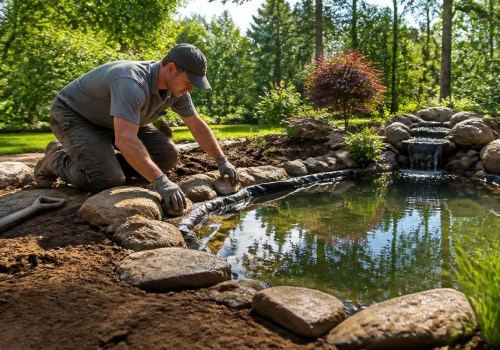
Creating a thriving garden pond begins with careful planning. The first step in your garden pond installation is to choose the right location. Look for a spot that receives a mix of sunlight and shade, as this balance is crucial for maintaining water temperature and supporting aquatic plants. Ideally, your pond should be situated away from overhanging trees to minimize leaf litter and debris.Next, consider the size and shape of your pond.A larger pond can support a more diverse ecosystem, allowing for various plants and wildlife to thrive. However, even a small pond can be effective if designed thoughtfully. When planning the shape, think about how it will fit into your overall garden design. Naturalistic shapes often blend better with the landscape than geometric ones.
Site Selection Tips:
- Accessibility: Ensure that the site is easily accessible for maintenance and enjoyment.
- Water Source: Consider how you will fill and maintain water levels in your pond.
Proximity to a water source can simplify this process.
- Soil Type: Test the soil to determine if it retains water well. Clay soils are ideal for ponds, while sandy soils may require additional lining.
Adding native plants around the edges not only enhances aesthetics but also supports local wildlife. By carefully planning your garden pond installation, you set the foundation for a vibrant natural ecosystem that will flourish for years to come.
Choosing the Right Plants for Your Pond
Creating a thriving garden pond ecosystem begins with selecting the right plants. The choice of aquatic plants is crucial, as they not only enhance the aesthetic appeal of your pond but also contribute to its ecological balance. When choosing plants, consider incorporating a mix of the following types:- Submerged Plants: These plants, such as Elodea and Ceratophyllum, grow entirely underwater and provide essential oxygen to the water while serving as habitat for fish and other aquatic life.
- Floating Plants: Species like Water Hyacinth and Duckweed float on the surface, offering shade and reducing algae growth by blocking sunlight.
- Marginal Plants: Found along the edges of your pond, plants such as Cattails and Pickerel Rush help stabilize the soil and provide shelter for wildlife.
They also support local wildlife, including pollinators and beneficial insects, which are vital for a balanced ecosystem. Additionally, native plants can help control invasive species by outcompeting them for resources. For instance, incorporating native varieties like Blue Flag Iris or Sweet Flag can enhance biodiversity while ensuring that your pond remains healthy and vibrant. In summary, when planning your garden pond installation, prioritize a diverse selection of aquatic plants, focusing on native species to create a sustainable and thriving ecosystem that benefits both you and the local wildlife.
Incorporating Wildlife into Your Garden Pond
Creating a thriving natural ecosystem in your garden pond involves more than just water and plants; it requires careful planning to attract and support various forms of wildlife. By fostering a diverse habitat, you can enhance the ecological balance and enjoy the beauty of nature right in your backyard.Attracting Frogs and Toads
- Provide shallow areas: Frogs and toads prefer shallow water for breeding. Create sloped edges or shallow shelves in your pond to facilitate easy access.
- Add native plants: Incorporate native aquatic plants like water lilies and cattails, which offer shelter and breeding grounds.
- Minimize chemicals: Avoid using pesticides or herbicides, as these can harm amphibians and disrupt the ecosystem.
Encouraging Dragonflies
- Create perches: Install rocks or tall plants around the pond's edge where dragonflies can rest and hunt.
- Include open water: Dragonflies need space to fly and hunt, so ensure there are areas of open water free from dense vegetation.
- Provide larval habitats: Incorporate submerged logs or stones where dragonfly larvae can thrive before emerging as adults.
Inviting Birds
- Add birdbaths: Place shallow birdbaths near the pond to attract birds looking for water sources.
- Plant native shrubs: Surround your pond with native shrubs that provide cover and nesting sites for birds.
- Install feeders: Consider adding bird feeders nearby to draw in a variety of species, enhancing the biodiversity of your garden.
Remember, a healthy ecosystem is one that thrives on balance, so be patient as wildlife begins to discover your pond!
Maintaining Water Quality in Your Garden Pond
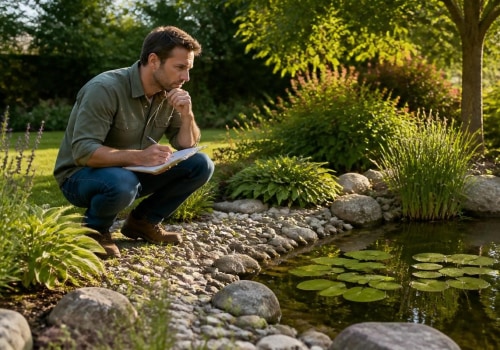
Maintaining water quality in your garden pond is crucial for creating a thriving natural ecosystem. A well-balanced pond not only supports aquatic life but also enhances the beauty of your garden. Here are some essential practices to ensure optimal water quality.- Regular Testing: Regularly test your pond water for pH, ammonia, nitrites, and nitrates. Ideal pH levels should range between 6.5 and 8.5.Testing kits are readily available at garden centers and online.
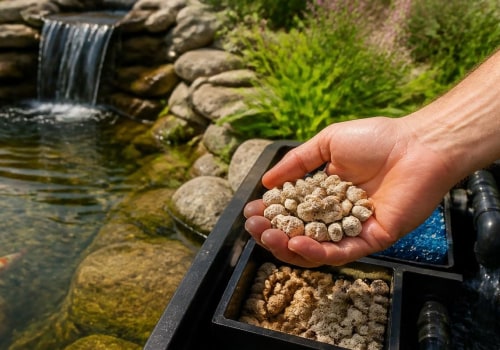
- Filtration Systems: Invest in a reliable filtration system that suits the size of your pond.
A good filter helps remove debris and harmful substances, ensuring clean water circulation. Consider using a combination of mechanical, biological, and UV filters for comprehensive filtration.
- Aeration: Proper aeration is vital for maintaining oxygen levels in the water. Use aerators or fountains to promote surface agitation, which increases oxygen exchange and supports fish and plant life.
- Natural Plants: Incorporate aquatic plants such as water lilies, hornwort, and cattails. These plants not only provide shelter for fish but also absorb excess nutrients that can lead to algae blooms.
- Algae Control: While some algae are beneficial, excessive growth can harm your pond's ecosystem.
Use natural methods like introducing algae-eating fish or manually removing algae to keep it in check.
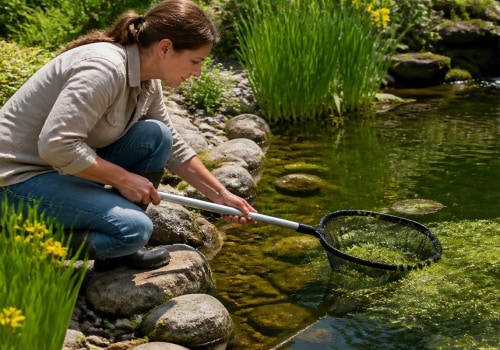
- Regular Maintenance: Perform routine maintenance by removing debris, fallen leaves, and dead plants from the pond surface. This prevents organic matter from decomposing in the water, which can lead to poor water quality.
Creating Habitats for Beneficial Organisms
Creating a thriving natural ecosystem in your garden pond begins with establishing habitats that support beneficial organisms. These organisms, including bacteria, insects, and amphibians, play crucial roles in maintaining water quality and promoting biodiversity.1.Incorporate Native Plants
- Native aquatic plants such as water lilies, cattails, and duckweed provide shelter and breeding grounds for various organisms.
- These plants also help to oxygenate the water and absorb excess nutrients, which can prevent algae blooms.
2.Create Sheltered Areas
- Adding rocks, logs, or submerged structures can create hiding spots for beneficial insects and small fish.
- These structures not only provide safety from predators but also encourage the growth of biofilms, which are essential for nutrient cycling.
3.Maintain Water Quality
- Regularly test your pond's water for pH, ammonia, and nitrate levels to ensure a balanced environment.
- Introduce aeration systems, such as fountains or air stones, to keep the water oxygenated and promote circulation.
4.Encourage Wildlife
- Consider adding a small beach area or shallow edges where frogs and other wildlife can access the water easily.
- This not only supports amphibian populations but also attracts beneficial insects like dragonflies that help control mosquito populations.
Remember that patience is key; it may take time for these beneficial organisms to establish themselves fully. However, the long-term benefits of a healthy garden pond will be well worth the effort.
Common Challenges in Garden Pond Ecosystems and Solutions
Creating a thriving natural ecosystem in your garden pond can be rewarding, but it often comes with its own set of challenges. Understanding these common issues and implementing effective solutions is key to maintaining a balanced environment.Pond Challenges
One of the most prevalent challenges in garden pond ecosystems is algae growth. Algae can quickly overtake your pond, leading to unsightly green water and harming aquatic life.This issue typically arises from excess nutrients in the water, often due to decaying organic matter or over-fertilization of nearby plants.
Solutions for Algae Control
- Introduce Beneficial Bacteria: Adding beneficial bacteria can help break down organic waste and reduce nutrient levels, thus controlling algae growth.
- Limit Nutrient Input: Avoid using chemical fertilizers near your pond. Instead, opt for organic options that are less likely to leach into the water.
- Increase Plant Coverage: Incorporating more aquatic plants can naturally compete with algae for nutrients and sunlight, helping to keep their growth in check.
Pest Management
Pests such as mosquitoes can also pose a challenge in garden ponds. Standing water provides an ideal breeding ground for these insects, which can become a nuisance.Solutions for Pest Management
- Add Natural Predators: Introducing fish species like goldfish or guppies can help control mosquito larvae populations.
- Maintain Water Circulation: Installing a fountain or aerator can disrupt mosquito breeding by keeping the water moving, making it less hospitable for larvae.
- Use Native Plants: Native plants not only enhance the beauty of your pond but also attract beneficial insects that prey on pests.
FAQs About Garden Pond Installation and Ecosystem Creation
Creating a natural ecosystem in your garden pond can seem daunting, but many homeowners have similar questions that can help clarify the process. Here are some frequently asked questions regarding garden pond installation and ecosystem creation:- What size should my garden pond be?
The size of your pond largely depends on the space available in your garden and the types of plants and fish you wish to include.A minimum depth of 2 feet is recommended to maintain a stable temperature and provide a habitat for aquatic life.
- How do I choose the right location for my pond?
Select a spot that receives partial sunlight, ideally around 4-6 hours a day. This balance helps aquatic plants thrive while preventing excessive algae growth. - What materials do I need for installation?
You will need a pond liner, rocks for edging, aquatic plants, and possibly a pump and filter system to maintain water quality. Consider using natural materials to enhance the ecosystem. - How can I maintain water quality in my pond?
Regularly check pH levels and ensure proper filtration. Adding beneficial bacteria can help break down organic waste, while aquatic plants will naturally filter the water. - What types of plants should I include?
A mix of submerged, floating, and marginal plants is ideal.Consider species like water lilies, cattails, and hornwort to create a balanced ecosystem.
Conclusion: Embracing Nature in Your Garden Pond Design
Creating a natural ecosystem in your garden pond is not just about aesthetics; it’s about fostering a balanced environment that supports wildlife and enhances the overall health of your garden. Throughout this article, we have explored various aspects of garden pond installation that contribute to this goal. First and foremost, incorporating native plants is essential. These plants not only provide shelter and food for local wildlife but also help maintain water quality by absorbing excess nutrients. By selecting a diverse range of aquatic and marginal plants, you can create a vibrant habitat that attracts beneficial insects, amphibians, and birds. Additionally, the introduction of natural filtration systems, such as gravel beds and biofilters, plays a crucial role in maintaining clear water without the need for harsh chemicals.This approach aligns with the principles of sustainable gardening and promotes a healthier ecosystem. Moreover, ensuring proper aeration through the use of fountains or waterfalls can enhance oxygen levels in the water, benefiting fish and other aquatic life. The sound of flowing water also adds to the sensory experience of your garden. Finally, remember that patience is key. A thriving ecosystem takes time to establish. Regular monitoring and minimal intervention will allow nature to take its course, leading to a self-sustaining pond. In conclusion, by embracing these principles in your garden pond installation, you not only create a beautiful focal point in your landscape but also contribute positively to the environment.
Your garden pond can become a sanctuary for wildlife and a source of joy for you and your family.