When it comes to garden pond installation, the location you choose can significantly impact the overall success and enjoyment of your pond. Selecting the right spot is not merely a matter of aesthetics; it involves understanding how various environmental factors will influence the health of aquatic life, the clarity of water, and the ease of maintenance. A well-placed pond can become a stunning focal point in your garden, while a poorly situated one may lead to a host of problems that detract from its beauty and functionality. One of the primary considerations in choosing a garden pond location is sunlight exposure. Most aquatic plants thrive in sunlight, but too much direct sun can lead to excessive algae growth, which can cloud the water and harm fish.
Therefore, finding a balance between sunny and shaded areas is crucial. Additionally, proximity to trees should be considered; while they provide shade, falling leaves can create debris that complicates pond maintenance. Moreover, accessibility plays a vital role in your decision-making process. A pond that is easy to reach allows for straightforward maintenance tasks such as cleaning and feeding fish. It also enhances your ability to enjoy the space fully.
By carefully evaluating these factors—sunlight, shade, and accessibility—you set the stage for a thriving garden pond that not only enhances your landscape but also provides a serene retreat for relaxation and enjoyment.
Assessing Your Garden Space
Choosing the right location for your garden pond installation begins with a thorough assessment of your garden space. Understanding the layout and available area is crucial for determining the size and type of pond that can be effectively integrated into your landscape.Start by evaluating the overall dimensions of your garden. Measure the length and width of the area where you envision placing the pond. Consider the following factors:- Available Space: Ensure there is enough room not only for the pond itself but also for surrounding plants, pathways, and maintenance access.
- Sunlight Exposure: Observe how much sunlight the area receives throughout the day.
Most aquatic plants thrive in full sun, so aim for a location that gets at least 6 hours of direct sunlight.
- Proximity to Trees: While trees can provide shade, their roots may interfere with pond installation, and falling leaves can create maintenance challenges. Ideally, place your pond away from large trees.
- Water Source: Consider how you will fill and maintain your pond. Being near a water source can simplify this process.
Conversely, a smaller pond may fit better in compact gardens but might limit biodiversity. As a rule of thumb, aim for a minimum depth of 2 feet to support fish during winter months.Finally, visualize how the pond will fit into your existing landscape. Use stakes or garden hoses to outline the proposed shape and size of your pond. This will help you see how it interacts with other elements in your garden, such as flower beds or seating areas.By carefully assessing your garden space, you can make informed decisions that enhance both the beauty and functionality of your garden pond installation.
Sunlight and Shade Considerations
When planning your garden pond installation, understanding the balance of sunlight and shade is crucial for the health of both aquatic plants and fish.The amount of sunlight your pond receives can significantly influence its ecosystem.
Sunlight Requirements for Plants
Aquatic plants play a vital role in maintaining water quality and providing habitat for fish. Most submerged and floating plants thrive in full sun, requiring at least 6 hours of direct sunlight daily. However, some marginal plants prefer partial shade, which can help prevent excessive algae growth. When selecting plants, consider their specific sunlight needs to ensure a thriving environment.Shade Impact on Fish Health
Fish also benefit from a balanced exposure to sunlight.While they need some sunlight for warmth and to promote the growth of beneficial microorganisms, too much sun can lead to overheating and stress. Providing shaded areas using natural features like trees or man-made structures can help regulate water temperature and offer refuge during hot days.
Finding the Right Balance
When choosing a location for your pond, observe how sunlight moves across your yard throughout the day. Ideally, aim for a spot that receives morning sun and afternoon shade. This arrangement allows plants to photosynthesize effectively while protecting fish from the harshest midday heat.- Morning Sun: Encourages plant growth and warms the water.
- Afternoon Shade: Protects fish from overheating and reduces algae growth.
By striking the right balance, you can ensure that both plants and fish thrive in harmony.
Proximity to Water Sources and Drainage
When planning your garden pond installation, one of the most critical factors to consider is the proximity to water sources and drainage. Having a reliable water supply is essential for maintaining the health and stability of your pond.Water Source for Pond
A nearby water source can significantly ease the maintenance of your pond. Consider the following options:- Natural Springs: If your property has a natural spring, this can provide a consistent and clean water supply.
- Rainwater Harvesting: Installing a rainwater collection system can help fill your pond during dry spells, ensuring it remains at optimal levels.
- Municipal Water: If natural sources are not available, connecting to municipal water can be a viable option, though it may require additional filtration to remove chemicals.
Drainage Considerations
Proper drainage is equally important to prevent flooding or stagnation in your garden pond. Here are some key points to keep in mind:- Site Selection: Choose a location that naturally slopes away from your pond to facilitate drainage.
Avoid low-lying areas where water tends to accumulate.
- Soil Type: Sandy soils allow for better drainage compared to clay soils, which can retain water and lead to potential flooding issues.
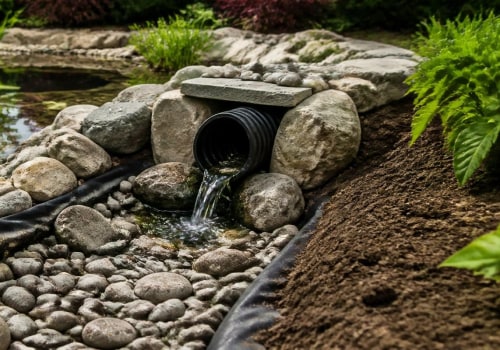
- Drainage Systems: Consider installing a drainage system around the pond area to redirect excess water away from the pond, especially during heavy rains.
Avoiding Overhead Hazards
When planning your garden pond installation, it’s crucial to consider potential overhead hazards that could compromise the safety and integrity of your pond. One of the most significant risks comes from nearby trees and their roots.Tree Roots Impact on Pond
Tree roots can extend far beyond the visible trunk, often reaching into areas where you might want to place your pond. These roots can:- Disrupt the pond's structure: As roots grow, they can penetrate the pond liner, leading to leaks and structural damage.
- Compete for nutrients: Roots may absorb essential nutrients and water that your pond plants need to thrive.
- Cause sediment buildup: The decay of fallen leaves and branches from trees can lead to increased organic matter in the pond, affecting water quality.
Falling Debris
Another concern is falling debris from trees, such as branches or leaves. This debris can:- Clog filters: Leaves and twigs can obstruct water flow and clog filtration systems, making maintenance more challenging.
- Introduce contaminants: Decomposing organic matter can lead to algae blooms and poor water quality, harming fish and aquatic plants.
- Create safety hazards: Large branches falling into the pond can pose a risk to anyone nearby, especially children or pets.
- Select a location: Choose a spot for your pond that is at least 10 feet away from large trees.
- Regular maintenance: Keep the area around your pond clear of debris and regularly check for any signs of root intrusion.
- Consult professionals: If you’re unsure about tree placement or root systems, consult with a landscaping expert before proceeding with your garden pond installation.
Accessibility for Maintenance and Enjoyment
When planning your garden pond installation, one of the most critical factors to consider is accessibility.Ensuring that you can easily reach your pond for maintenance and enjoyment will significantly enhance your gardening experience.
Pond Maintenance Access
- Regular Cleaning: Algae buildup and debris can quickly detract from the beauty of your pond. Choose a location that allows you to access the pond easily for routine cleaning tasks.
- Water Quality Management: Maintaining optimal water quality is essential for the health of your aquatic life. Ensure that you can reach the pond to test and treat the water as needed.
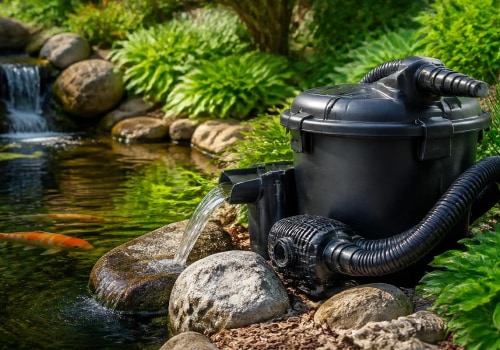
- Equipment Accessibility: If you plan to use pumps, filters, or other equipment, consider how you will access these devices for repairs or replacements. A nearby power source can also be beneficial.
Enjoying Your Garden Pond
- Viewing Points: Position your pond where it can be easily viewed from various angles in your garden.
This will allow you to appreciate its beauty from different perspectives.
- Seating Arrangements: Consider adding seating nearby to create a tranquil spot for relaxation. This encourages you and your guests to enjoy the serene atmosphere of your pond.
- Safety Considerations: If children or pets will be around, ensure that the pond is safely accessible without posing risks. Barriers or shallow edges can help mitigate potential hazards.
Local Wildlife and Ecosystem Impact
When considering garden pond installation, one of the most crucial factors is the impact on local wildlife and the surrounding ecosystem.A well-placed pond can serve as a sanctuary for various species, while also enhancing the biodiversity of your garden.
Wildlife Considerations
- Birds: Ponds attract birds that come to drink and bathe. Positioning your pond near trees or shrubs can provide shelter for these feathered visitors.
- Insects: Dragonflies and damselflies are beneficial for controlling mosquito populations. Ensure your pond has shallow edges where these insects can lay their eggs.
- Amphibians: Frogs and salamanders thrive in pond environments. To encourage their presence, avoid using pesticides in your garden, as these chemicals can be harmful to their populations.
Ecosystem Impact
The installation of a garden pond can significantly influence the local ecosystem.
It’s essential to consider how your pond will interact with existing flora and fauna:
- Water Quality: Maintaining clean water is vital for the health of both plants and animals. Regularly check for algae growth and consider adding aquatic plants that help filter the water.
- Nutrient Balance: Introducing native plants around your pond can create a balanced ecosystem. These plants provide food and habitat for wildlife while also preventing erosion.
- Fish Population: If you plan to add fish, choose species that are compatible with local wildlife. Avoid introducing non-native species that could disrupt the existing ecosystem.
Attracting Wildlife
To maximize the ecological benefits of your garden pond, consider implementing features that attract wildlife:
- Create varied depths in your pond to accommodate different species.
- Add rocks and logs around the edges for shelter and basking spots.
- Plant native vegetation nearby to provide food sources and nesting sites.
Legal Considerations and Regulations
When planning your garden pond installation, it’s crucial to consider the legal regulations and permitting requirements that may apply in your area.These regulations can vary significantly depending on your location, so it’s essential to do your homework before breaking ground.
Local Regulations
- Zoning Laws: Check with your local zoning office to determine if there are any restrictions on water features in residential areas. Some zones may have specific guidelines regarding the size and placement of ponds.
- Environmental Regulations: If your property is near a wetland or a body of water, you may need to comply with environmental protection laws. These regulations are designed to protect local ecosystems and may require you to obtain special permits.
- Homeowners Association (HOA) Rules: If you live in a community governed by an HOA, review their rules regarding outdoor installations. Some associations have strict guidelines about the appearance and maintenance of garden features.
Permits for Garden Ponds
In many cases, installing a garden pond may require a permit.
Here are some common scenarios where permits might be necessary:
- If your pond exceeds a certain size, typically over 100 square feet, you may need to apply for a building permit.
- If you plan to use a pump or filtration system, check if electrical permits are required for installation.
- If your pond will affect drainage or runoff on your property or neighboring properties, you might need to submit plans for review.
Consulting Local Authorities
The best way to ensure compliance is to consult with local authorities or a professional landscape designer familiar with local laws. They can provide guidance on the necessary steps and help you navigate the permitting process smoothly.By understanding and adhering to these legal considerations, you can avoid potential fines and ensure that your garden pond installation enhances your property without legal complications.
FAQs About Choosing a Location for Your Garden Pond
When considering garden pond installation, selecting the right location is crucial for the health of your pond and its aesthetic appeal. Here are some frequently asked questions that can guide you in making the best choice:- What factors should I consider when choosing a location for my garden pond?
Consider sunlight exposure, proximity to trees, and accessibility. Ideally, your pond should receive about 6 hours of sunlight daily to support aquatic plants while avoiding excessive shade from nearby trees that can lead to leaf litter accumulation. - Is it better to place my pond in a sunny or shady area?
A balance is key.While some sunlight is necessary for plant growth, too much sun can lead to algae blooms. A partially shaded area can help maintain water temperature and reduce algae growth.
- How far should I place my pond from trees?
Aim for at least 10-15 feet away from large trees. This distance helps minimize leaf debris and root interference, which can disrupt the pond's ecosystem. - Should I consider the slope of my yard?
Yes, a slight slope can be beneficial for drainage and preventing flooding. However, avoid placing your pond at the bottom of a steep slope where runoff could carry debris and pollutants into the water. - What about accessibility for maintenance?
Ensure that your pond is easily accessible for maintenance tasks such as cleaning, adding plants, or checking water quality.A location near pathways or garden areas can facilitate this.
Conclusion: Key Takeaways for Your Garden Pond Location Decision
Choosing the right location for your garden pond installation is crucial for its long-term success and enjoyment. Here are the key takeaways to consider:- Sunlight Exposure: Ensure your pond receives a balance of sunlight and shade. Most aquatic plants thrive with at least 6 hours of sunlight daily, but too much direct sunlight can lead to algae growth.
- Proximity to Power Sources: If you plan to install pumps or lighting, select a location near electrical outlets to simplify installation and maintenance.
- Soil Quality: Test the soil in your chosen area.
A well-draining soil is essential to prevent water from pooling and to support healthy plant life.
- Accessibility: Consider how easy it will be to access your pond for maintenance tasks such as cleaning, feeding fish, or adding chemicals.
- Viewpoints: Position your pond where it can be easily viewed from your home or patio. This enhances the aesthetic appeal and allows you to enjoy the tranquility it brings.