Creating a garden pond can be a rewarding endeavor, transforming your outdoor space into a serene oasis. However, garden pond installation requires careful planning and execution to ensure its success. Understanding the basics of garden ponds is crucial for both novice and experienced gardeners alike. From selecting the right location to choosing appropriate materials, each step plays a vital role in the overall functionality and aesthetics of your pond. Before diving into the installation process, it's essential to grasp the fundamental aspects that contribute to a thriving pond environment.
This includes understanding water circulation, filtration systems, and the types of plants and fish that will inhabit your pond. A well-planned pond not only enhances the beauty of your garden but also supports local wildlife and promotes biodiversity. As we explore common mistakes to avoid during pond installation, keep in mind that knowledge is your best ally. By familiarizing yourself with potential pitfalls, you can save time, money, and effort while creating a stunning water feature that complements your landscape. Whether you're aiming for a tranquil retreat or an active ecosystem, mastering the basics will set you on the right path toward achieving your vision.
Mistake #1: Poor Planning and Design
When it comes to garden pond installation, one of the most critical steps is thorough planning and design.Skipping this phase can lead to a myriad of problems that may not be immediately apparent but can cause significant issues down the line.
Common Design Mistakes:
- Ignoring the Landscape: A garden pond should complement the existing landscape. Failing to consider the natural flow of your yard can result in a pond that looks out of place or disrupts the overall aesthetic.
- Inadequate Size: Many homeowners underestimate the size needed for their pond. A pond that is too small can lead to overcrowding of fish and plants, while one that is too large may require excessive maintenance.
- Poor Location: Placing your pond in an area with too much sunlight can lead to algae growth, while a shaded spot may hinder plant growth. It's essential to find a balance that supports aquatic life.
- Neglecting Access: Consider how you will maintain your pond.
If it's difficult to access for cleaning or repairs, you may find yourself avoiding necessary upkeep.
Effective Planning Tips:
- Research Local Regulations: Before you start digging, check if there are any local regulations regarding pond installation. Some areas have restrictions on size or placement.
- Create a Detailed Layout: Sketch out your pond's design, including dimensions and features like waterfalls or plant shelves. This will help visualize how it fits into your garden.
- Consider Wildlife: Think about how local wildlife will interact with your pond. Designing with natural habitats in mind can enhance biodiversity and create a more balanced ecosystem.
A well-thought-out layout not only enhances the beauty of your garden but also ensures a healthier environment for aquatic life.
Mistake #2: Ignoring Local Regulations and Permits
When planning your garden pond installation, one of the most critical aspects to consider is the necessity of understanding local regulations and obtaining the appropriate permits. Many homeowners overlook this step, assuming that their project is small enough to bypass legal requirements. However, failing to comply with local laws can lead to significant complications down the line.Understanding Local Regulations
- Pond Size and Depth: Different municipalities have specific regulations regarding the size and depth of ponds. Some areas may restrict ponds to a certain depth to prevent flooding or other environmental issues.
- Water Usage: If your pond will require a substantial amount of water, you may need to check with local water authorities regarding usage rights and restrictions.
- Wildlife Protection: Certain regions have laws protecting local wildlife, which may affect how you design your pond and what types of plants and fish you can introduce.
Obtaining Necessary Permits
Before you begin your garden pond installation, it’s essential to contact your local government or zoning office to inquire about any necessary permits.
This process may include:
- Building Permits: Depending on the size and scope of your pond, a building permit may be required.
- Environmental Permits: If your pond will impact local ecosystems, you might need an environmental assessment or permit.
- Homeowners Association (HOA) Approval: If you live in a community governed by an HOA, check their guidelines as they may have specific rules regarding water features.
Mistake #3: Choosing the Wrong Location
Choosing the right location for your garden pond installation is crucial for both its health and aesthetic appeal. An inappropriate site can lead to a host of problems, from poor water quality to limited visibility. Here are some key factors to consider when selecting the best location for your pond:- Sunlight Exposure: Ideally, your pond should receive a mix of sun and shade.
Too much direct sunlight can lead to excessive algae growth, while too much shade can hinder plant growth and reduce oxygen levels.
- Proximity to Trees: While trees can provide shade, their roots may invade the pond and their leaves can create debris that clogs filters. Aim to place your pond at least 10 feet away from large trees.
- Drainage Patterns: Observe how water drains in your yard during rain. Avoid low spots where water tends to pool, as this can lead to muddy conditions and affect the pond's water quality.
- Accessibility: Ensure that the pond is easily accessible for maintenance tasks such as cleaning, adding chemicals, or feeding fish. A location that is difficult to reach can lead to neglect.
- Viewpoints: Consider where you and your guests will enjoy the view of the pond.
Placing it in a visible area enhances the overall landscape and provides a tranquil focal point.
Mistake #4: Neglecting Water Quality Management
One of the most critical aspects of garden pond installation is ensuring proper water quality management. Neglecting this can lead to a host of problems, including algae blooms, fish stress, and even the death of aquatic plants. Here are some common mistakes to avoid:- Inadequate Filtration: A common error is underestimating the importance of a good filtration system.
Without proper filtration, debris and waste can accumulate, leading to murky water and unhealthy conditions for fish and plants.
- Ignoring pH Levels: The pH level of your pond water is crucial for the health of its inhabitants. Failing to regularly test and adjust the pH can result in an environment that is either too acidic or too alkaline, stressing aquatic life.
- Overlooking Nutrient Balance: Excess nutrients, particularly nitrogen and phosphorus, can lead to excessive algae growth. This not only affects the aesthetic appeal of your pond but also depletes oxygen levels, harming fish and other aquatic organisms.
- Neglecting Regular Maintenance: Many pond owners make the mistake of thinking that once their pond is installed, it requires little attention. Regular maintenance tasks such as cleaning filters, removing debris, and checking water levels are essential for sustaining a healthy ecosystem.
Additionally, investing in a quality filtration system tailored to your pond's size and needs can significantly enhance water clarity and overall health. By avoiding these common mistakes and prioritizing water quality management, you can create a thriving garden pond that supports a vibrant ecosystem.
Mistake #5: Overlooking Plant and Fish Selection
When it comes to garden pond installation, one of the most critical aspects often overlooked is the selection of plants and fish. Choosing the right aquatic life is essential for maintaining a balanced ecosystem, which can significantly affect the health and aesthetics of your pond.Choosing Plants for Garden Ponds
Plants play a vital role in providing oxygen, shade, and habitat for fish and other wildlife. Here are some common mistakes to avoid:- Ignoring Native Species: Opting for non-native plants can lead to invasive species that disrupt local ecosystems. Native plants are better adapted to your climate and provide essential support for local wildlife.
- Overcrowding: Planting too many species can lead to competition for resources, resulting in poor growth and health.
It's crucial to plan your planting layout carefully.
- Neglecting Seasonal Changes: Some plants may thrive in summer but struggle in winter. Choose a variety of plants that offer year-round interest and resilience.
Fish Selection for Ponds
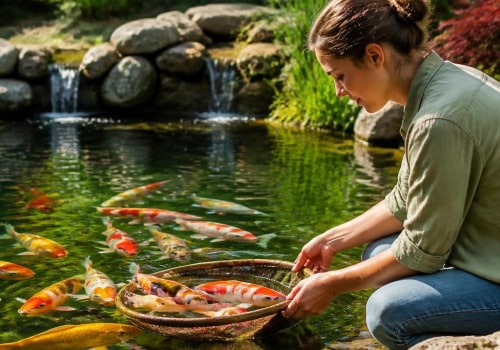
The choice of fish is equally important. Here are some pitfalls to avoid:- Incompatible Species: Mixing species that have different environmental needs or temperaments can lead to stress and aggression. Research compatibility before introducing new fish.
- Overstocking: Adding too many fish can lead to overcrowding, which increases waste and depletes oxygen levels.
A good rule of thumb is one inch of fish per gallon of water.
- Neglecting Water Quality: Fish require clean, well-oxygenated water. Regular testing and maintenance are essential to ensure a healthy environment for your aquatic life.
Mistake #6: Skipping Essential Equipment and Features
When planning your garden pond installation, it’s crucial to consider all the essential equipment and features that will contribute to the pond's health and longevity. Skipping these components can lead to significant issues down the line, including poor water quality and inadequate habitat for aquatic life.Essential Equipment for Garden Ponds
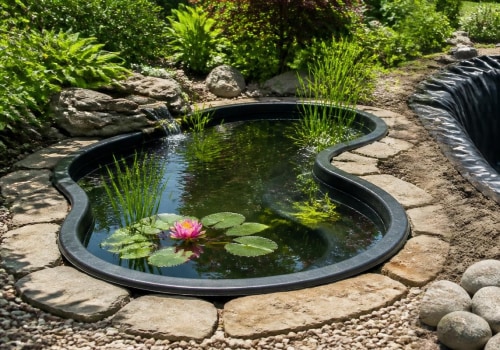
- Pond Liner: A durable pond liner is vital for preventing leaks and ensuring that your pond retains water. Choose a high-quality material that suits your pond's size and shape.
- Filtration System: A good filtration system is essential for maintaining clean water.
It helps remove debris and harmful substances, promoting a healthy ecosystem.
- Pump: A reliable pump circulates water, which is crucial for oxygenation and preventing stagnation. Ensure the pump is appropriately sized for your pond's volume.
- Aeration System: Adding an aeration system can significantly enhance water quality by increasing oxygen levels, which is beneficial for fish and plants.
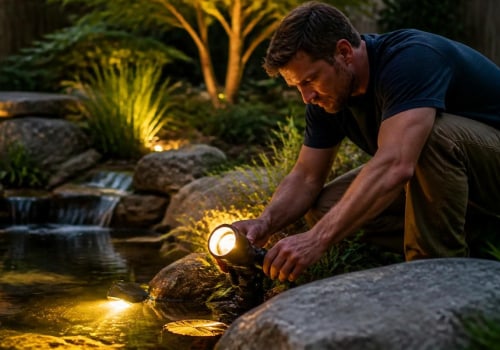
- Lighting: Underwater or surrounding lights not only enhance the aesthetic appeal of your pond but also help in monitoring fish activity during the night.
Pond Features Checklist
In addition to equipment, consider incorporating various features that enhance both functionality and beauty:- Waterfalls or Fountains: These features not only add visual interest but also aid in aerating the water.
- Plants: Aquatic plants are essential for maintaining a balanced ecosystem. They provide shelter for fish and help filter the water naturally.
- Fish Habitat Structures: Adding rocks or submerged logs can create hiding spots for fish, promoting a healthier environment.
Mistake #7: Underestimating Maintenance Needs
One of the most significant mistakes that new pond owners make is underestimating the maintenance needs of their garden pond.While the initial installation may seem straightforward, the ongoing care required to keep your pond healthy and vibrant is often overlooked.Many people assume that once the pond is installed, it will take care of itself. However, this misconception can lead to a host of problems, including poor water quality, algae overgrowth, and unhealthy fish populations. To avoid these issues, it’s essential to understand what caring for garden ponds entails.
Common Maintenance Tasks
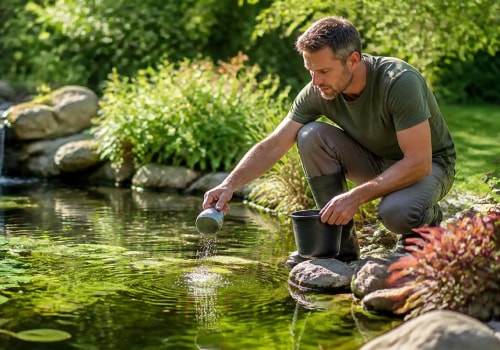
- Regular Water Testing: Monitoring pH levels, ammonia, nitrite, and nitrate concentrations is crucial for maintaining a balanced ecosystem.
- Cleaning Filters: Depending on the size of your pond and the number of fish, filters should be cleaned or replaced regularly to ensure optimal water flow.
- Removing Debris: Fallen leaves and organic matter can decompose and affect water quality. Regular skimming and cleaning are necessary.
- Controlling Algae Growth: Implementing natural methods or using appropriate treatments can help manage algae without harming aquatic life.
- Caring for Plants: Aquatic plants require pruning and sometimes replanting to thrive and contribute positively to the pond's ecosystem.
Without a routine, tasks can pile up, leading to overwhelming conditions that may require extensive intervention. Setting aside time each week or month for specific maintenance tasks can help keep your pond in top shape.In conclusion, understanding the maintenance mistakes in ponds is vital for any garden pond owner. By recognizing that a beautiful pond requires ongoing attention and care, you can create a thriving aquatic environment that enhances your garden for years to come.
Frequently Asked Questions About Garden Pond Installation Mistakes
When it comes to garden pond installation, many enthusiasts have questions about potential pitfalls. Here are some frequently asked questions that can help you avoid common mistakes:What are the most common mistakes made during garden pond installation?
- Improper Location: Choosing a spot that receives too much shade or direct sunlight can affect water temperature and plant growth.
- Neglecting to Plan for Drainage: Failing to account for drainage can lead to flooding or water pooling around the pond.
- Ignoring Local Wildlife: Not considering local wildlife can result in unwanted visitors, such as raccoons or deer, which may disturb your pond.
- Overlooking Water Quality: Not testing the water quality before introducing fish or plants can lead to health issues for aquatic life.
How can I troubleshoot issues with my garden pond?
If you encounter problems after installation, here are some troubleshooting tips:- Algae Blooms: If you notice excessive algae, consider reducing sunlight exposure and adding aquatic plants that compete for nutrients.
- Pond Leakage: Check for cracks in the liner or connections in the plumbing.
A simple patch may resolve minor leaks.
- Poor Fish Health: Monitor water parameters regularly. High ammonia or nitrite levels can be harmful; consider using a water conditioner.
Conclusion: Key Takeaways for Successful Garden Pond Installation
In conclusion, successfully installing a garden pond requires careful planning and attention to detail. By avoiding common mistakes, you can create a thriving aquatic ecosystem that enhances your outdoor space. Here are the key takeaways to keep in mind:- Proper Site Selection: Choose a location that receives adequate sunlight while avoiding areas with excessive shade or debris.
This will ensure optimal conditions for both plants and fish.
- Correct Pond Depth: Ensure your pond is deep enough to support aquatic life, especially during colder months. A depth of at least 18 inches is recommended for most fish species.
- Quality Materials: Invest in high-quality liners and pumps to prevent leaks and ensure longevity. Cheap materials may save money initially but can lead to costly repairs later.
- Effective Filtration: Implement a reliable filtration system to maintain water clarity and quality. This is crucial for the health of your pond's inhabitants.
- Plant Selection: Choose native plants that are well-suited to your climate and pond conditions.
This will promote biodiversity and reduce maintenance efforts.
- Avoid Overcrowding: Be mindful of the number of fish and plants you introduce to your pond. Overcrowding can lead to poor water quality and stress among aquatic life.