Creating a beautiful garden pond is an exciting endeavor that can enhance the aesthetic appeal of your outdoor space. However, the journey doesn’t end with the garden pond installation; it marks the beginning of a crucial phase—maintenance. Understanding the importance of garden pond maintenance is essential for ensuring that your pond remains a vibrant ecosystem, providing a habitat for fish and plants while also serving as a serene retreat for you and your family. Regular upkeep is vital not only for the visual appeal of your pond but also for its health. Neglecting maintenance can lead to issues such as algae overgrowth, poor water quality, and even fish mortality.
By prioritizing pond care, you can prevent these problems and create a balanced environment where aquatic life thrives. This involves routine tasks such as cleaning debris, monitoring water levels, and checking filtration systems, all of which contribute to the longevity of your pond. Moreover, maintaining your garden pond can enhance its functionality and enjoyment. A well-kept pond can serve as a focal point in your garden, attracting wildlife and providing a peaceful ambiance. Understanding the specific needs of your pond will empower you to take proactive measures, ensuring that it remains a source of joy and tranquility for years to come.
In the following sections, we will delve deeper into the specific maintenance tasks required to keep your garden pond in optimal condition.
Regular Cleaning and Debris Removal
Maintaining a healthy garden pond requires regular cleaning and debris removal to ensure optimal water quality and prevent unwanted algae growth. Neglecting this aspect of pond maintenance can lead to murky water, unpleasant odors, and an unhealthy environment for aquatic life.Cleaning your garden pond
involves several key tasks:
- Skimming the Surface: Use a pond net or skimmer to remove leaves, twigs, and other floating debris from the surface of the water. This should be done weekly, especially during the fall when leaves are more likely to accumulate.
- Vacuuming the Bottom: A pond vacuum can effectively remove sediment and debris that settles at the bottom. Aim to vacuum your pond at least once a month to keep it clean and clear.
- Cleaning Filters: If your pond has a filtration system, regularly check and clean the filters according to the manufacturer's instructions.
Clogged filters can hinder water circulation and lead to poor water quality.
- Trimming Plants: Aquatic plants are essential for a balanced ecosystem, but overgrowth can contribute to debris. Regularly trim back any excessive growth to maintain a healthy balance.
Debris removal
is crucial not only for aesthetics but also for the health of your pond's ecosystem. Organic matter that decomposes in the water can lead to increased nutrient levels, promoting algae blooms that can suffocate fish and other aquatic life.Here are some pond maintenance tips to keep in mind:
- Create a Schedule: Establish a regular cleaning schedule based on the seasons and your pond's specific needs. Consistency is key in preventing larger issues down the line.
- Monitor Water Quality: Regularly test your pond's water for pH levels, ammonia, nitrites, and nitrates.
This will help you identify any imbalances that may require immediate attention.
- Avoid Overfeeding Fish: Excess fish food can contribute to debris buildup. Feed only what your fish can consume in a few minutes.
- Consider Natural Solutions: Introduce beneficial bacteria or enzymes that help break down organic matter naturally, reducing the need for manual cleaning.
Water Quality Management
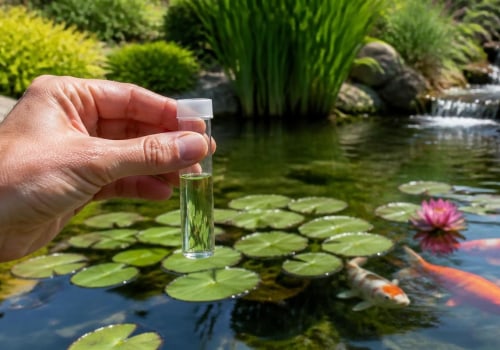
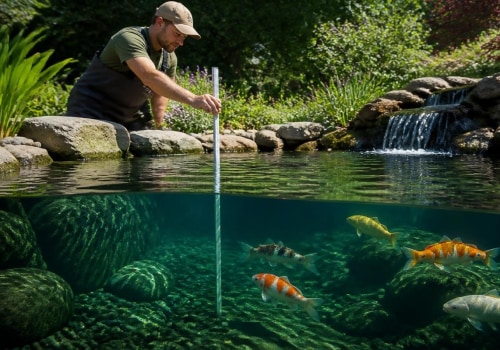
Maintaining optimal water quality is crucial for the health of your garden pond, as it directly affects the well-being of both fish and aquatic plants. Regular testing of pond water is essential to ensure that the ecosystem remains balanced and thriving.Testing Pond Water
To effectively manage pond water quality, start by testing for key parameters such as pH, ammonia, nitrites, and nitrates. These elements can significantly influence the health of your pond:- pH Levels: Ideally, the pH should range between 6.5 and 8.5.Regular testing helps prevent fluctuations that can stress aquatic life.
- Ammonia and Nitrites: Both should be kept at zero to avoid toxicity.
High levels can lead to fish deaths and algae blooms.
- Nitrates: While less harmful than ammonia, high nitrate levels can promote excessive plant growth and algae.
Maintaining Pond Health
Once you have tested your pond water, take appropriate actions based on the results:- Water Changes: Regular partial water changes (about 10-20% weekly) can help dilute harmful substances and maintain a stable environment.
- Aeration: Installing a fountain or aerator increases oxygen levels in the water, which is vital for fish survival and beneficial bacteria.
- Filtration: A good filtration system removes debris and toxins, ensuring clean water circulation.
- Adding Beneficial Bacteria: Introducing beneficial bacteria can help break down organic waste, improving overall water quality.
Filtration and Aeration Systems
Maintaining a healthy garden pond ecosystem is crucial for the well-being of its inhabitants, and filtration and aeration systems play a vital role in this process. These systems help to keep the water clean and oxygenated, which is essential for fish and aquatic plants.Pond Filtration Systems
A pond filtration system removes debris, excess nutrients, and harmful substances from the water. There are several types of filtration systems available:- Mechanical Filters: These filters physically remove particles from the water.
They are essential for keeping the pond clear of debris.
- Bacterial Filters: These systems use beneficial bacteria to break down organic waste, helping to maintain water quality.
- UV Clarifiers: Ultraviolet light helps eliminate algae and pathogens, ensuring clearer water.
- Cleaning or replacing filter media as needed.
- Checking for clogs and ensuring proper water flow.
- Inspecting UV bulbs annually to ensure they are working efficiently.
Aeration for Ponds
Aeration is another critical component of pond maintenance. It involves increasing the oxygen levels in the water, which is vital for fish health and overall pond balance. There are various methods to aerate a pond:- Surface Aerators: These devices agitate the surface of the water, allowing oxygen to enter.
- Diffused Aeration Systems: These systems release air bubbles from the bottom of the pond, promoting circulation and oxygen distribution throughout the water column.
- Regularly check air pumps and diffusers for blockages or wear.
- Ensure that aerators are positioned correctly to maximize oxygen transfer.
- Monitor oxygen levels periodically, especially during hot weather when oxygen depletion can occur.
Seasonal Maintenance Tasks
Maintaining a garden pond requires attention throughout the year, with specific tasks tailored to each season.Proper seasonal pond care ensures that your pond remains a healthy ecosystem for fish and plants alike.
Spring Maintenance
As temperatures rise in spring, it's time to prepare your pond for the active months ahead. Begin by:- Cleaning debris: Remove fallen leaves, twigs, and other organic matter that accumulated during winter.
- Checking equipment: Inspect pumps, filters, and aerators to ensure they are functioning properly.
- Testing water quality: Monitor pH levels, ammonia, and nitrate concentrations to maintain a balanced environment.
- Adding beneficial bacteria: Introduce beneficial bacteria to help break down organic waste and improve water clarity.
Summer Maintenance
During the hot summer months, your pond will require more frequent attention:- Regular water testing: Check water quality weekly to prevent algae blooms and ensure fish health.
- Controlling algae: Use natural methods like adding aquatic plants or consider using algaecides if necessary.
- Water level management: Keep an eye on evaporation rates and top off the pond with fresh water as needed.
- Feeding fish: Provide appropriate food for your fish, but avoid overfeeding to prevent excess waste.
Fall Maintenance
As autumn approaches, prepare your pond for the colder months:- Removing fallen leaves: Clear leaves regularly to prevent them from decomposing in the water.
- Trimming plants: Cut back overgrown aquatic plants to maintain balance in the ecosystem.
- Preparing fish: Gradually reduce feeding as fish metabolism slows down with cooler temperatures.
Winterizing Your Garden Pond
The winter months require special attention to protect your pond:- Installing a pond heater: Consider using a heater or de-icer to keep a portion of the surface ice-free for gas exchange.
- Aeration: Maintain aeration to ensure oxygen levels remain adequate for fish survival.
- Cleansing the pond: Before freezing temperatures set in, perform a thorough cleaning to remove any remaining debris.
Managing Aquatic Plants and Wildlife
Managing aquatic plants and wildlife is crucial for maintaining a balanced ecosystem in your garden pond. Proper care of these elements not only enhances the aesthetic appeal of your pond but also contributes to its overall health.Aquatic Plants Care
Aquatic plants play a vital role in oxygenating the water, providing shelter for wildlife, and controlling algae growth. Here are some tips for effective aquatic plants care:- Choose Native Species: Opt for native aquatic plants that are well-adapted to your local climate and conditions.
They require less maintenance and support local wildlife.
- Regular Pruning: Trim back overgrown plants to prevent them from overshadowing others and to maintain a healthy balance in the pond.
- Monitor Water Quality: Ensure that the water quality is suitable for your plants by regularly testing pH levels and nutrient content.
- Fertilization: Use aquatic plant fertilizers sparingly, as excessive nutrients can lead to algae blooms.
Wildlife in Garden Ponds
Your garden pond can attract a variety of wildlife, including frogs, dragonflies, and birds. To manage this wildlife effectively:- Create Habitats: Incorporate rocks, logs, and shallow areas to provide shelter and breeding grounds for various species.
- Avoid Chemicals: Refrain from using pesticides or herbicides near the pond, as these can harm beneficial wildlife.
- Feed Wisely: If you have fish, feed them appropriately to avoid overfeeding, which can pollute the water.
Common Problems and Solutions in Garden Ponds
Maintaining a garden pond can be a rewarding experience, but it often comes with its share of common problems. Understanding these issues and knowing how to troubleshoot them is essential for keeping your pond healthy and vibrant.- Algae Overgrowth: One of the most frequent issues in garden ponds is excessive algae growth.
This can lead to poor water quality and reduced oxygen levels for fish and plants. To combat this, consider:
- Reducing nutrient levels by limiting fertilizer runoff from nearby gardens.
- Introducing aquatic plants that compete with algae for nutrients.
- Using UV clarifiers to help control algae blooms.
- Pond Water Clarity: Cloudy or murky water can be a sign of various problems, including sediment buildup or bacterial blooms. Solutions include:
- Regularly cleaning the pond bottom to remove debris.
- Installing a proper filtration system to maintain clear water.
- Adding beneficial bacteria to help break down organic matter.
- Fish Health Issues: Fish in your garden pond may suffer from diseases or parasites. To ensure their well-being, you should:
- Monitor water quality regularly, checking for ammonia and nitrite levels.
- Quarantine new fish before introducing them to the pond.
- Consult a veterinarian specializing in aquatic animals if you notice unusual behavior or symptoms.
- Pond Leakage: If you notice a drop in water levels, your pond may have a leak.
To address this issue, consider:
- Inspecting the liner for visible tears or punctures.
- Using pond sealants specifically designed for aquatic environments.
- If necessary, consulting a professional for repairs.
FAQs About Garden Pond Maintenance
Maintaining a garden pond can seem daunting, but understanding the basics can simplify the process. Here are some frequently asked questions about garden pond maintenance:- How often should I clean my pond? Regular cleaning is essential for a healthy pond. Aim to clean your pond at least once a month during the growing season.
This includes removing debris, leaves, and algae buildup.
- What is the best way to control algae? Algae can be managed through a combination of biological controls, such as introducing beneficial bacteria, and physical methods like using a pond net or skimmer. Additionally, maintaining proper water circulation and avoiding over-fertilization can help.
- Do I need to change the water in my pond? While complete water changes are not typically necessary, you should replace about 10-15% of the water weekly to maintain quality. This helps dilute harmful substances and keeps your fish healthy.
- How do I care for fish in my pond? Ensure your pond has adequate oxygen levels and a balanced ecosystem. Feed your fish appropriately and monitor their health regularly.
During winter, consider using a pond heater to keep a portion of the surface ice-free.
- What plants should I include for better maintenance? A mix of submerged, marginal, and floating plants can enhance your pond's ecosystem. They provide shade, reduce algae growth, and offer habitat for wildlife.
Conclusion: Key Takeaways for Successful Garden Pond Maintenance
In conclusion, maintaining a garden pond is essential for ensuring its health and aesthetic appeal. Regular upkeep not only enhances the beauty of your outdoor space but also supports the ecosystem within the pond.Here are the key takeaways for successful garden pond maintenance:
- Regular Water Quality Checks: Monitoring pH levels, ammonia, and nitrate concentrations is crucial. Use water testing kits to ensure a balanced environment for fish and plants.
- Filtration and Aeration: Invest in a quality filtration system to keep the water clear and free from debris. Aeration is equally important to maintain oxygen levels, especially during warmer months.
- Debris Removal: Regularly remove leaves, algae, and other organic matter from the pond surface. This prevents decay and maintains water clarity.
- Seasonal Maintenance: Prepare your pond for seasonal changes.
In fall, netting can help catch falling leaves, while in winter, consider how to protect fish from freezing temperatures.
- Plant Care: Aquatic plants play a vital role in maintaining water quality. Trim dead foliage and ensure that plants are healthy to promote biodiversity.