Creating a thriving garden pond ecosystem is essential for the health and well-being of the fish you plan to introduce. Understanding the intricate balance of this ecosystem involves recognizing the roles of various components, including water quality, plants, and fish compatibility. A well-maintained pond not only enhances the aesthetic appeal of your garden but also provides a sustainable habitat for aquatic life. Water quality is a critical factor in establishing a successful garden pond. Factors such as pH levels, ammonia, nitrite, and nitrate concentrations must be monitored regularly to ensure a safe environment for your fish.
Ideally, the pH should range between 6.5 and 8.5, while ammonia and nitrite levels should remain at zero. Regular testing and maintenance will help you achieve optimal conditions that promote healthy fish growth and prevent diseases. Moreover, understanding fish compatibility is vital when adding new species to your pond. Not all fish can coexist peacefully; some may be territorial or aggressive towards others. Researching the specific needs and behaviors of potential fish species will help you create a harmonious environment.
Additionally, consider the size of your pond and the number of fish you wish to introduce, as overcrowding can lead to stress and poor water quality. By grasping these foundational concepts of your garden pond ecosystem, you set the stage for a vibrant aquatic community that thrives in harmony. This knowledge will not only enhance your gardening experience but also ensure that your fish flourish in their new home.
Choosing the Right Fish for Your Pond
When it comes to garden pond installation, selecting the right fish is crucial for creating a balanced ecosystem and enhancing the aesthetic appeal of your pond. Here are some popular choices:- Koi: Known for their vibrant colors and patterns, koi fish can grow quite large, often reaching lengths of 24 inches or more. They require a larger pond (at least 1,000 gallons) and thrive in warmer climates.
Koi are social creatures and should ideally be kept in groups.
- Goldfish: A classic choice for smaller ponds, goldfish are hardy and come in various varieties. They can adapt to different water conditions and typically grow to about 6-8 inches. Goldfish are less demanding than koi, making them suitable for beginners.
- Shubunkin: This type of goldfish is known for its calico coloring and is a great addition to garden ponds. They are hardy and can tolerate cooler temperatures, making them versatile for various climates.
- Comet Goldfish: Similar to standard goldfish but with longer fins and tails, comets are active swimmers that add movement to your pond.
They thrive in similar conditions as regular goldfish.
Preparing Your Pond for Fish Introduction
Before introducing fish to your garden pond, it’s crucial to ensure that the environment is suitable for their health and well-being.Proper pond preparation for fish involves several key steps, starting with checking the water temperature.
1.Check Water Temperature
- Fish are sensitive to temperature changes, so it’s essential to measure the water temperature using a reliable thermometer. Ideally, the water should be between 65°F and 75°F for most pond fish.
- If the water is too cold or too warm, consider waiting a few days or using a heater or chiller to adjust the temperature gradually.
2.Test Water Quality
- In addition to temperature, test for pH levels, ammonia, nitrite, and nitrate concentrations. The ideal pH for most pond fish is between 6.5 and 8.5.
- Make necessary adjustments using water conditioners or by adding natural elements like peat moss or baking soda.
3.Acclimation Process
Once your pond is ready, it’s time to acclimate your fish. This process helps reduce stress and allows fish to adjust to their new environment:
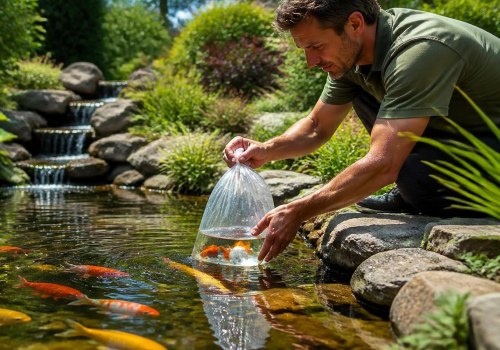
- Float the Bag: Place the sealed bag containing your fish on the pond's surface for about 15-20 minutes.
This allows the water temperatures to equalize.
- Add Pond Water: Gradually add small amounts of pond water into the bag every 5 minutes for about 30 minutes. This helps the fish adapt to the new water chemistry.
- Release Fish: After acclimation, gently release the fish into the pond without adding any of the bag water. This minimizes contamination risks.
How to Introduce Fish to Your Garden Pond
Introducing fish to your garden pond is an exciting step in creating a thriving aquatic ecosystem.However, it’s crucial to do this carefully to minimize stress on the fish and ensure their successful acclimatization. Gradual Introduction Techniques The key to a successful introduction is a gradual acclimatization process. Here are some effective methods:
- Temperature Adjustment: Before adding fish, float the sealed bag containing them in the pond for about 15-20 minutes. This allows the water temperature in the bag to equalize with that of the pond.
- Water Mixing: After temperature adjustment, open the bag and gradually mix pond water into the bag over the next 30 minutes.
Start by adding a cup of pond water every 10 minutes. This helps the fish adapt to the new water chemistry.
- Release Method: Once acclimated, gently release the fish into the pond without pouring in the bag water, which may contain harmful substances. Use a net to transfer them safely.
- Single Species Introduction: Start with one species at a time. This allows you to monitor their health and behavior before introducing more fish.
- Diverse Stocking: If you prefer a variety of fish, introduce them in small groups rather than all at once.
This reduces competition for resources and helps maintain balance in your pond.
Maintaining a Healthy Environment for Your Pond Fish
Maintaining a healthy environment for your pond fish is crucial for their well-being and the overall ecosystem of your garden pond.Regular pond maintenance practices will ensure that your fish thrive and that the water remains clean and balanced.
Water Quality Management
One of the most important aspects of pond maintenance is managing water quality. Here are some key factors to consider:- pH Levels: Aim for a pH level between 6.5 and 8.5.Test the water regularly using a pH test kit, and adjust as necessary with pH increasers or decreasers.
- Ammonia and Nitrite Levels: Both ammonia and nitrite should be kept at zero to prevent toxicity. Use a water testing kit to monitor these levels, and perform partial water changes if they rise.
- Dissolved Oxygen: Ensure that your pond has adequate oxygen levels, especially during hot weather. Aeration devices or fountains can help maintain oxygen levels.
Feeding Pond Fish
Feeding your pond fish properly is essential for their health.Here are some guidelines:
- Quality Fish Food: Choose high-quality fish food that meets the dietary needs of your specific fish species. Look for options that contain essential nutrients and vitamins.
- Feeding Schedule: Feed your fish once or twice a day, providing only what they can consume in a few minutes to avoid overfeeding, which can pollute the water.
- Seasonal Adjustments: In colder months, reduce feeding as fish metabolism slows down. During warmer months, you may increase feeding frequency as fish become more active.
Common Challenges When Keeping Fish in a Garden Pond
Keeping fish in your garden pond can be a rewarding experience, but it also comes with its share of challenges. Understanding these common issues can help you maintain a healthy environment for your aquatic pets.Pond Fish Problems
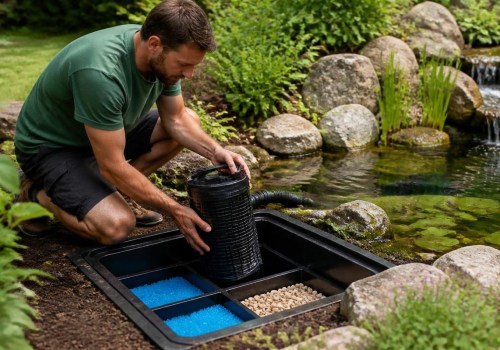
One of the most prevalent issues pond owners face is the health of their fish.Overcrowding can lead to stress and disease, so it's crucial to monitor the number of fish in relation to the pond's size. Additionally, water quality is vital; ammonia and nitrite levels should be regularly checked to prevent toxic buildup. Installing a good filtration system can significantly improve water quality and fish health.
Dealing with Algae
Algae growth is another common challenge in garden ponds. While some algae are beneficial, excessive growth can deplete oxygen levels and harm fish.To manage algae:
- Introduce aquatic plants: These compete with algae for nutrients and help maintain balance.
- Limit sunlight: Use floating plants or shade structures to reduce direct sunlight exposure.
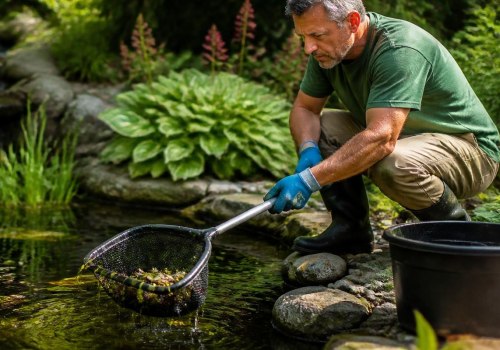
- Regular maintenance: Clean the pond regularly to remove debris that contributes to algae growth.
Predator Protection
Pond fish are often targets for predators such as birds, raccoons, and cats. To protect your fish:- Add netting: Installing a fine mesh net over the pond can deter birds and other predators.
- Create hiding spots: Use rocks, plants, or submerged structures where fish can hide from threats.
- Consider decoys: Placing decoys like plastic herons can trick real predators into thinking the area is already occupied.
Frequently Asked Questions About Adding Fish to Garden Ponds
Adding fish to your garden pond can be a rewarding experience, but it also raises several questions. Here are some frequently asked questions that can help you navigate this process.What types of fish are best for garden ponds?
When selecting fish for your garden pond, consider species that thrive in a pond environment.Koi and goldfish are popular choices due to their hardiness and vibrant colors. Additionally, shubunkins and comets are excellent options that can add diversity to your pond.
How many fish can I add to my pond?
The number of fish you can safely add depends on the size of your pond. A general rule of thumb is to allow one inch of fish per gallon of water. For example, if you have a 500-gallon pond, you can keep about 50 inches of fish total.However, consider the adult size of the fish when calculating this.
What should I feed my pond fish?
Pond fish typically thrive on a diet of high-quality pellets or flakes specifically formulated for their species. You can supplement their diet with vegetables, such as peas or lettuce, and occasional treats like worms. Avoid overfeeding, as this can lead to poor water quality.How do I maintain water quality for my fish?
- Regular Testing: Test the water regularly for pH, ammonia, nitrite, and nitrate levels.
- Filtration: Invest in a good filtration system to keep the water clean and clear.
- Aeration: Ensure proper aeration to maintain oxygen levels in the water.
- Water Changes: Perform partial water changes every few weeks to refresh the pond environment.
Can I add fish at any time?
The best time to introduce fish to your garden pond is during the warmer months when temperatures are stable. Avoid adding fish during extreme weather conditions, such as very hot or cold temperatures, as this can stress them.If you have more questions about adding fish to your garden pond, consult with local experts or resources dedicated to aquatic life care.Conclusion: Enjoying Your Garden Pond with Fish
In conclusion, adding fish to your garden pond can significantly enhance its beauty and ecological balance.As you embark on this journey, remember the key steps discussed throughout the article. First, ensure that your pond is properly installed and maintained, providing a safe and healthy environment for your aquatic friends. Regular maintenance is crucial. This includes monitoring water quality, maintaining appropriate temperatures, and ensuring that your fish have adequate space to thrive.
Filtration systems
and water treatments can help keep the pond clean and the fish healthy. When selecting fish, consider species that are compatible with each other and suited for your pond's size and climate.Popular choices include goldfish, koi, and native species that can adapt well to local conditions. Always introduce new fish gradually to minimize stress and allow them to acclimate to their new surroundings. As you enjoy your garden pond with its vibrant fish population, take time to observe their behavior and interactions. This not only adds a dynamic element to your outdoor space but also fosters a deeper appreciation for nature. Remember to feed them appropriately and provide shelter with plants or decorations to create a balanced ecosystem. Ultimately, a well-maintained garden pond filled with lively fish can become a serene retreat in your backyard.
Embrace the tranquility it offers and the joy of watching your fish flourish in their aquatic home.