When embarking on garden pond installation, one of the most critical decisions you'll face is determining the appropriate size for your pond. The dimensions of your pond can significantly influence not only its visual appeal but also its overall functionality and the health of the aquatic ecosystem it supports. A well-sized pond can enhance your garden's aesthetics, creating a tranquil retreat that attracts both wildlife and human visitors alike. Choosing the right size for your garden pond involves careful consideration of several factors. For instance, larger ponds tend to provide a more stable environment for fish and plants, allowing for better temperature regulation and oxygen levels.
Conversely, smaller ponds may require more frequent maintenance and can be more susceptible to fluctuations in water quality. Understanding these dynamics is essential for ensuring that your pond thrives and remains a beautiful focal point in your landscape. Moreover, the benefits of a properly sized garden pond extend beyond mere aesthetics. A well-planned pond can serve as a habitat for various aquatic species, promote biodiversity, and even contribute to pest control by attracting beneficial insects. As you contemplate your garden pond installation, keep in mind that the right size will not only enhance your outdoor space but also foster a vibrant ecosystem that can flourish for years to come.
Factors to Consider When Choosing Pond Size
When planning your garden pond installation, several key factors will influence the ideal size of your pond.Understanding these factors can help you create a beautiful and functional water feature that enhances your outdoor space.
- Available Space: The most obvious consideration is the physical space you have in your garden. Measure the area where you plan to install the pond, taking into account any existing landscaping features, trees, or structures that may limit the size. A larger pond can create a more dramatic effect, but it must fit harmoniously within your garden's layout.
- Intended Use: Consider how you plan to use your pond. If you envision a tranquil spot for relaxation, a smaller pond may suffice.
However, if you want to incorporate fish or aquatic plants, a larger pond will provide the necessary space for these elements to thrive. Additionally, if you plan to host gatherings or events around the pond, a larger size may be more appropriate.
- Local Climate: Your local climate plays a significant role in determining pond size. In warmer climates, a larger pond can help maintain cooler water temperatures, which is beneficial for fish and plants. Conversely, in colder regions, a smaller pond may be easier to manage during winter months.
Understanding your climate will help you choose a size that supports the health of your aquatic life.
- Maintenance Considerations: Larger ponds often require more maintenance than smaller ones. Consider how much time and effort you are willing to invest in upkeep. A smaller pond may be easier to manage in terms of cleaning and water quality control.
Common Sizes for Garden Ponds
When considering garden pond installation, understanding the common sizes for garden ponds can significantly influence your decision.The size of your pond will depend on various factors, including the available space, intended use, and the types of plants and fish you wish to incorporate.
Common Garden Pond Sizes
- Small Ponds (50-100 gallons): Ideal for limited spaces, small ponds are perfect for container gardening or as a decorative feature. They can support a few aquatic plants and small fish like goldfish.
- Medium Ponds (100-500 gallons): These ponds offer more versatility, allowing for a wider variety of plants and fish. A medium-sized pond can serve as a focal point in your garden while providing habitat for wildlife.
- Large Ponds (500-1,500 gallons): Suitable for larger gardens, these ponds can accommodate koi fish and a diverse ecosystem. They require more maintenance but provide a stunning visual impact and recreational opportunities.
- Extra Large Ponds (1,500+ gallons): For those with ample space and a passion for aquatic life, extra-large ponds can become a centerpiece of your landscape.
They allow for extensive biodiversity and can even support larger species of fish.
Standard Pond Dimensions
While the volume is crucial, the dimensions also play a role in the pond's functionality. Here are some standard dimensions:- Round Pond: Typically ranges from 4 to 10 feet in diameter.
- Rectangular Pond: Common sizes include 6x8 feet or 10x12 feet.
- Irregular Shapes: Custom designs can vary widely but should maintain a depth of at least 2 feet to support fish during winter.
Calculating the Right Size for Your Needs
When it comes to garden pond installation, determining the right size for your pond is crucial for both aesthetic appeal and functionality. The size of your pond will depend on various factors, including the intended use, available space, and the types of plants and fish you wish to incorporate.Calculating Pond Size
- Purpose: Consider what you want from your pond.
Are you looking to create a tranquil space, a habitat for fish, or a vibrant ecosystem with aquatic plants? Each purpose may require different dimensions.
- Available Space: Measure the area where you plan to install the pond. Use a tape measure to determine the length and width of the space. Ensure that there is enough room for landscaping around the pond.
How to Measure Pond Area
The area of your pond can be calculated using simple formulas:
- If your pond is rectangular, use the formula: Length x Width.
- If it’s circular, use: π x (Radius x Radius).
- For irregular shapes, break the area into smaller sections, calculate each section's area, and then sum them up.
Pond Volume Calculations
Once you have the area, calculating the volume is essential, especially if you plan to keep fish. The volume can be calculated as follows:
- For rectangular ponds: Length x Width x Average Depth.
- For circular ponds: π x (Radius x Radius) x Average Depth.
- This will give you the volume in cubic feet; to convert to gallons, multiply by 7.48 (since one cubic foot equals approximately 7.48 gallons).
Tips for Optimal Size
- A minimum depth of 2 feet is recommended for fish ponds to prevent freezing in winter.
- If you plan on adding koi or other larger fish, consider a larger pond size—at least 1,000 gallons is ideal.
- Leave space around the pond for plants and seating areas to enhance its beauty and usability.
Pond Depth Considerations
When planning your garden pond installation, one of the most critical factors to consider is the depth of the pond.The depth not only influences the overall aesthetics but also plays a significant role in maintaining a healthy aquatic ecosystem.
Pond Depth Recommendations
For most garden ponds, a depth of at least 24 inches is recommended. This depth helps to stabilize water temperatures, preventing extreme fluctuations that can be harmful to fish and plants. In regions with colder climates, deeper ponds (around 36 to 48 inches) are advisable to ensure that fish can survive winter freezes.Depth for Fish Ponds
If you plan to keep fish in your pond, such as koi or goldfish, consider a minimum depth of 36 inches. This depth provides adequate space for fish to swim freely and helps protect them from predators.Additionally, deeper areas allow fish to retreat during hot weather, where cooler water can be found.
Depth for Plant Growth
The depth of your pond also affects the types of aquatic plants you can grow. Most submerged plants thrive in depths ranging from 12 to 24 inches, while marginal plants prefer shallower areas (around 6 to 12 inches). By varying the depths within your pond, you can create diverse habitats that support a wide range of plant species.In summary, when determining the ideal depth for your garden pond, consider both the needs of aquatic life and the aesthetic appeal. A well-planned depth will enhance the health of your pond's ecosystem and ensure a thriving environment for both fish and plants.Designing Your Garden Pond Layout
When it comes to garden pond installation, the layout is crucial for both functionality and aesthetics.The size of your pond will significantly influence its design, so it’s essential to consider how it fits into your overall garden landscape.
Determining the Size
- Assess the available space: Measure the area where you plan to install the pond. A larger space allows for a bigger pond, which can support more aquatic life and plants.
- Consider the purpose: Are you looking for a tranquil retreat, a habitat for fish, or a focal point for your garden? The intended use will guide the size and shape of your pond.
- Think about depth: A deeper pond can support fish and aquatic plants better, while shallower ponds are easier to maintain and can be more visually appealing in smaller gardens.
Designing the Layout
Once you have determined the size, focus on the layout. Here are some tips:
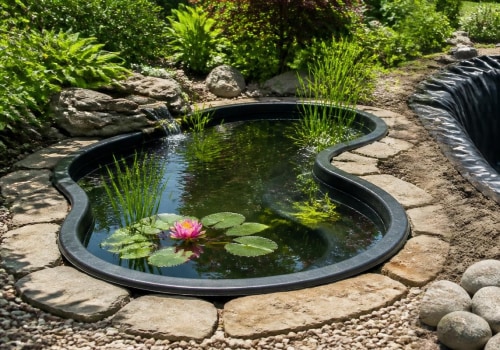
- Shape matters: Naturalistic shapes often blend better with garden landscapes than geometric ones. Consider a freeform design that mimics natural water bodies.
- Placement: Position your pond where it can be easily viewed from your home or patio.
Ensure it receives adequate sunlight for plant growth but also has shaded areas to keep water temperatures stable.
- Landscaping: Surround your pond with native plants that complement its size and shape. Use rocks, gravel, and soil to create a natural transition from the pond to your garden.
Aesthetic Considerations
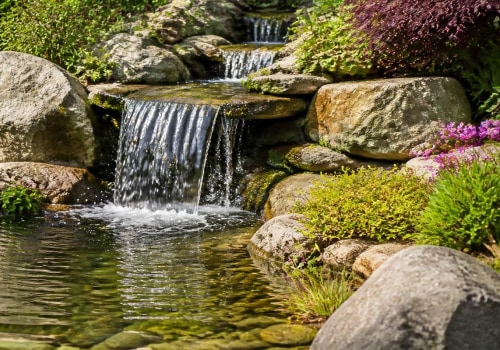
Your garden pond should harmonize with its surroundings. Incorporate features like waterfalls or fountains to enhance visual interest and sound. Lighting can also play a significant role; consider underwater lights or spotlights to highlight key features at night.In summary, thoughtful garden pond layout design is essential for creating a beautiful and functional water feature.
By considering size, shape, placement, and landscaping elements, you can ensure that your pond becomes a stunning focal point in your garden.
Maintenance Considerations Based on Pond Size
When considering garden pond installation, the size of your pond plays a crucial role in determining the maintenance requirements. Larger ponds generally require less frequent maintenance compared to smaller ones, but they also come with their own set of challenges.Maintenance Based on Size
- Small Ponds: Typically, ponds under 500 gallons need more regular attention. This includes frequent water changes, algae control, and monitoring water quality. Small ponds can heat up quickly, leading to oxygen depletion, which necessitates more frequent checks.
- Medium Ponds: Ranging from 500 to 1,500 gallons, these ponds strike a balance.
While they still require regular maintenance, the frequency can be reduced. You may need to clean filters and check water levels weekly, but algae growth is often more manageable.
- Large Ponds: Ponds over 1,500 gallons can sustain a more stable ecosystem. They typically require less frequent maintenance, such as seasonal cleanings and occasional water testing. However, larger ponds may need more extensive filtration systems and aeration to maintain water quality.
Pond Maintenance Tips
- Regularly check the water level and top off as needed to prevent stagnation.
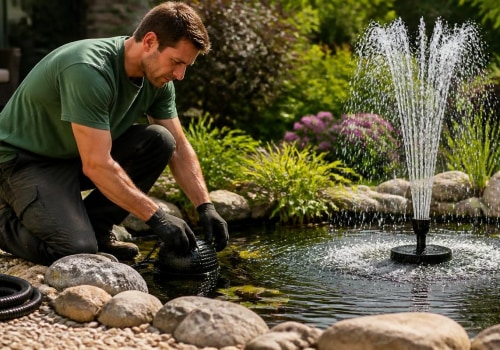
- Install a good filtration system that suits your pond size to keep the water clear and healthy.
- Monitor fish and plant health; larger ponds can support more biodiversity but require careful balance.
- Consider seasonal maintenance tasks such as removing debris in the fall and checking for ice in winter.
By tailoring your upkeep routine based on pond size, you can ensure a thriving aquatic environment that enhances your garden's beauty.
Frequently Asked Questions About Garden Pond Size
When considering garden pond installation, many homeowners have questions about the appropriate size for their pond. Here are some frequently asked questions that can help guide your decision:- What is the ideal size for a garden pond?
The ideal size for a garden pond largely depends on its intended use. For fish, a minimum depth of 2 feet is recommended, while a surface area of at least 100 square feet is ideal for maintaining water quality. - How deep should my pond be?
Depth is crucial for temperature regulation and fish survival. A depth of 18 to 24 inches is suitable for most plants and fish, but deeper areas (up to 3 feet) can provide refuge during hot weather. - Can I have a small pond?
Yes, small ponds can be beautiful and functional.However, keep in mind that smaller ponds may require more frequent maintenance and monitoring of water quality.
- What factors influence the size of my pond?
Several factors can influence the size of your garden pond, including available space, budget, and the types of plants and fish you wish to include. Additionally, consider local wildlife and how they might interact with your pond. - How does pond size affect maintenance?
Generally, larger ponds are easier to maintain than smaller ones because they can better absorb fluctuations in temperature and nutrient levels. However, larger ponds may require more initial investment in terms of equipment and landscaping.
Conclusion: Finding Your Perfect Garden Pond Size
In conclusion, determining the right size for your garden pond installation is crucial for creating a harmonious and functional outdoor space.The size of your pond will not only affect its aesthetic appeal but also its ecological balance and maintenance requirements.As discussed, several factors influence the ideal dimensions of your pond:
- Available Space: Assess the area where you plan to install the pond. A larger space allows for a bigger pond, which can support more aquatic life and plants.
- Intended Use: Consider how you plan to use your pond. If you envision it as a tranquil retreat or a habitat for fish and plants, a larger size may be necessary.
- Local Climate: In warmer climates, larger ponds can help maintain cooler water temperatures, benefiting fish and plant life.
- Maintenance: Smaller ponds may require less maintenance but can also lead to quicker algae growth and temperature fluctuations.
Remember that a thoughtfully sized pond can become a stunning focal point that brings joy and tranquility for years to come.