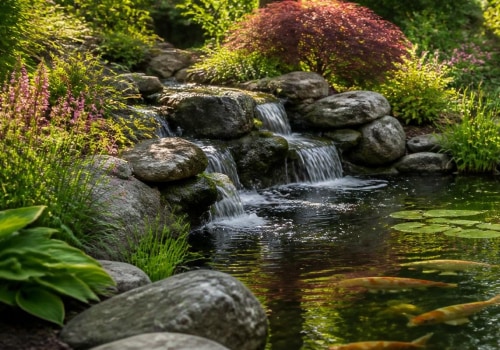
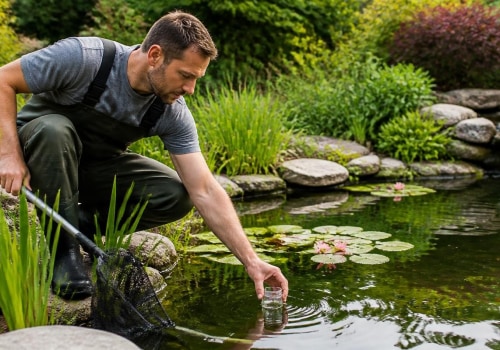
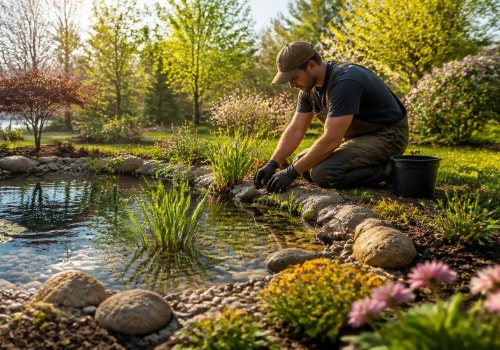
Installing a garden pond is more than just a decorative addition to your landscape; it serves as a vital component in creating a thriving pond ecosystem. A well-planned pond can enhance the beauty of your garden while providing numerous ecological benefits. From attracting beneficial wildlife to supporting aquatic plants, the advantages of garden pond installation extend far beyond aesthetics. One of the primary benefits of having a garden pond is its ability to foster biodiversity. Ponds create habitats for various species, including frogs, dragonflies, and beneficial insects that contribute to pest control.
This natural balance can significantly reduce the presence of unwanted pests like mosquitoes, which often thrive in stagnant water. By understanding the role of your pond within the ecosystem, you can appreciate how it contributes to a healthier garden environment. Moreover, a garden pond can serve as an educational tool for families and communities, teaching about aquatic life and the importance of environmental stewardship. As you embark on your journey of garden pond installation, consider not only the visual appeal but also how your pond can positively impact local wildlife and contribute to a balanced ecosystem. This foundational understanding will be crucial as we explore effective strategies for managing common pond pests in subsequent sections.
Identifying Common Pond Pests: Focus on Mosquitoes
When it comes to maintaining a healthy garden pond, understanding the various pests that can inhabit this ecosystem is essential.Among these, mosquitoes are often the most notorious, not only for their annoying bites but also for their potential to breed in stagnant water. Identifying these pests early can help you implement effective management strategies.
Common Characteristics of Mosquitoes
Mosquitoes are small, flying insects that thrive in warm, humid environments. They are typically characterized by:- Long legs and a slender body, making them agile flyers.
- Distinctive buzzing sound created by their rapidly beating wings.
- Dark coloration, which helps them blend into their surroundings.
Life Cycle of Mosquitoes
The life cycle of mosquitoes consists of four stages: egg, larva, pupa, and adult. Understanding this cycle is crucial for effective pest control:- Eggs: Female mosquitoes lay eggs on the surface of stagnant water.
- Larvae: Once hatched, larvae feed on organic matter and algae in the water.
- Pupae: After several molts, larvae transform into pupae, where they undergo metamorphosis.
- Adults: Finally, adult mosquitoes emerge from the pupae and begin the cycle anew.
This includes maintaining proper water circulation, introducing natural predators like fish that eat mosquito larvae, and ensuring that any debris or organic matter is cleared away. By being proactive in identifying and managing these pests, you can enjoy a more pleasant outdoor experience around your garden pond.
The Life Cycle of Mosquitoes: Understanding Their Breeding Habits
Understanding the life cycle of mosquitoes is crucial for effectively managing their populations, especially in environments like garden ponds where they thrive. Mosquitoes undergo a complete metamorphosis, which includes four distinct stages: egg, larva, pupa, and adult.1.Egg Stage
The life cycle begins when female mosquitoes lay their eggs on the surface of stagnant water, such as that found in garden ponds. Depending on the species, a single female can lay anywhere from 100 to 300 eggs at a time.These eggs are often laid in clusters called rafts, which float on the water's surface.
2.Larval Stage
After a few days, the eggs hatch into mosquito larvae, commonly referred to as "wrigglers." This stage lasts about 5 to 14 days, depending on environmental conditions such as temperature and food availability. Larvae feed on organic matter and microorganisms in the water, making ponds an ideal breeding ground.3.Pupal Stage
Following the larval stage, mosquitoes enter the pupal stage, which lasts about 2 to 4 days. During this time, they do not feed and are more vulnerable to predators. The pupae are often found near the water's surface and are known as "tumblers" due to their ability to move quickly when disturbed.4.Adult Stage
Finally, adult mosquitoes emerge from the pupae and take flight within a few hours.Males typically emerge first and feed on nectar, while females require a blood meal for egg production. Understanding this cycle allows pond owners to implement targeted control measures at each stage.
- Preventing Egg Laying: Regularly clean your pond to remove debris where mosquitoes might lay eggs.
- Controlling Larvae: Introduce natural predators like fish that eat mosquito larvae.
- Pupal Management: Ensure proper aeration in your pond to disrupt pupal development.
- Adult Control: Use traps or repellents to reduce adult mosquito populations.
Preventive Measures for Mosquito Control in Garden Ponds
Controlling mosquito populations in your garden pond is essential for maintaining a healthy ecosystem and ensuring your outdoor space remains enjoyable. Here are some effective preventive measures to consider:- Regular Maintenance: Keeping your pond clean is crucial. Remove any debris, fallen leaves, or organic matter that can serve as breeding grounds for mosquitoes.
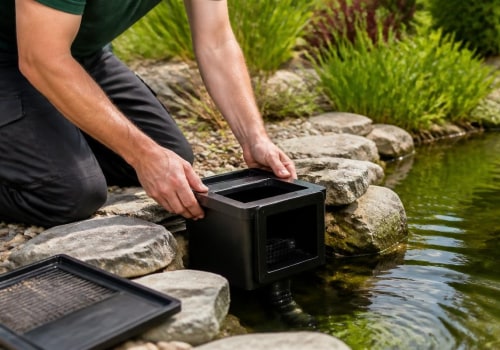
Regularly check and clean filters and pumps to ensure proper water circulation.
- Water Movement: Mosquitoes prefer stagnant water for breeding. Introducing a fountain or a small waterfall can help keep the water moving, making it less attractive for mosquitoes to lay their eggs.
- Introduce Natural Predators: Consider adding fish species like goldfish or guppies that feed on mosquito larvae. These natural predators can significantly reduce mosquito populations without harming the pond's ecosystem.
- Plant Selection: Incorporate plants that deter mosquitoes around your pond. Species such as citronella, lavender, and marigolds not only enhance the beauty of your garden but also act as natural repellents.
- Use of Natural Repellents: Essential oils like eucalyptus or tea tree oil can be effective in repelling mosquitoes.
You can create a spray by diluting these oils in water and applying them around the pond area.
Biological Control Methods: Using Nature to Your Advantage
When it comes to managing mosquito populations in your garden pond installation, employing biological control methods can be an effective and environmentally friendly strategy. By introducing natural predators into your pond ecosystem, you can significantly reduce the number of mosquitoes without resorting to chemical pesticides.Predators of Mosquitoes
- Fish: Certain species of fish, such as goldfish and guppies, are known for their appetite for mosquito larvae. By adding these fish to your pond, you create a natural barrier against mosquito proliferation.
- Dragonflies: Often referred to as "mosquito hawks," dragonflies are voracious predators of adult mosquitoes.
Encouraging dragonfly populations by providing suitable habitats around your pond can help keep mosquito numbers in check.
- Tadpoles: The larvae of frogs and toads also feed on mosquito larvae. By creating a welcoming environment for amphibians, you can enhance the biological control of pests in your pond.
Beneficial Pond Species
In addition to introducing specific predators, consider incorporating other beneficial species that contribute to a balanced ecosystem:
- Aquatic plants: Plants like water lilies and cattails not only provide shelter for fish and amphibians but also help maintain water quality, making it less hospitable for mosquito breeding.
- Bacteria: Certain types of bacteria can be introduced to the pond to target mosquito larvae specifically. These bacteria are harmless to other aquatic life but effectively disrupt the development of mosquitoes.
Chemical Control Options: When and How to Use Them Safely
When it comes to managing mosquitoes in your garden pond, chemical control options can be effective, but they must be used with caution to ensure the safety of both the environment and aquatic life.Understanding when and how to use these products is crucial for maintaining a healthy ecosystem.
Choosing the Right Chemical Control
- Larvicides: These are designed to target mosquito larvae before they mature into adults. Products containing Bacillus thuringiensis israelensis (Bti) are particularly effective and safe for fish and other wildlife.
- Adulticides: These chemicals are used to kill adult mosquitoes. However, they can be harmful to beneficial insects and should be applied sparingly and only when necessary.
- Insect Growth Regulators (IGRs): IGRs disrupt the development of mosquito larvae, preventing them from maturing into breeding adults. They are generally safe for use in ponds.
When to Apply Chemical Controls
The best time to apply chemical controls is during the early stages of mosquito development, typically in spring and early summer.
Regular monitoring of your pond can help you identify when mosquito populations begin to rise.
Safety Precautions
- Always read and follow the manufacturer's instructions carefully.
- Avoid applying chemicals during windy conditions to prevent drift onto non-target areas.
- Consider using targeted application methods, such as spot treatments, rather than blanket spraying.
- Ensure that any chemical used is labeled as safe for aquatic environments.
Creating a Balanced Ecosystem: The Role of Plants and Wildlife
Creating a balanced ecosystem in your garden pond is essential for controlling pests like mosquitoes. By incorporating specific plants and encouraging wildlife, you can significantly reduce mosquito populations while enhancing the beauty and health of your pond.Pond Plants for Mosquito Control
Certain aquatic plants are particularly effective at deterring mosquitoes. These plants not only provide habitat for beneficial wildlife but also help to maintain water quality.Consider adding:
- Water Lilies: Their broad leaves provide shade, reducing the sunlight that warms the water and creates ideal breeding conditions for mosquitoes.
- Lotus: Similar to water lilies, lotus plants offer shade and also attract pollinators, contributing to a vibrant ecosystem.
- Cat Tails: These plants can help filter the water and provide shelter for fish and other wildlife that prey on mosquito larvae.
- Pickerel Rush: This plant not only beautifies your pond but also serves as a habitat for dragonflies, which are natural predators of mosquitoes.
The Importance of Wildlife
Encouraging wildlife in your garden pond is another effective strategy for managing mosquito populations. Fish such as goldfish and guppies feed on mosquito larvae, while amphibians like frogs and toads consume adult mosquitoes. Additionally, attracting birds can help control mosquito numbers as they feed on both larvae and adults.To create a welcoming environment for these creatures, ensure your pond has a variety of depths and plenty of vegetation. This diversity allows different species to thrive, contributing to a balanced ecosystem.In conclusion, by selecting the right pond plants and fostering a diverse range of wildlife, you can create a self-sustaining ecosystem that naturally controls mosquito populations.This approach not only enhances the aesthetic appeal of your garden pond but also promotes ecological health.
FAQs About Dealing with Mosquitoes in Garden Ponds
Managing mosquitoes in your garden pond is crucial for maintaining a healthy outdoor environment. Here are some frequently asked questions that can help you tackle this common issue:- What attracts mosquitoes to garden ponds?
Mosquitoes are primarily attracted to stagnant water, which provides an ideal breeding ground. They are also drawn to the presence of organic matter and vegetation around the pond. - How can I prevent mosquitoes from breeding in my pond?
To prevent mosquito breeding, consider the following strategies:- Introduce mosquito-eating fish, such as guppies or goldfish, which can help control larvae populations.
- Maintain proper water circulation using a fountain or aerator to keep the water moving.
- Regularly remove debris and organic matter from the pond to eliminate potential breeding sites.
- Are there natural repellents I can use?
Yes, several natural repellents can deter mosquitoes. Planting marigolds, lavender, or basil around your pond can help repel these pests due to their strong scents. - What should I do if I already have a mosquito problem?
If you find yourself dealing with an existing mosquito issue, consider these steps:- Use a larvicide specifically designed for ponds, ensuring it is safe for fish and other wildlife.
- Install a mosquito trap near the pond to capture adult mosquitoes.
- Encourage natural predators by creating a balanced ecosystem with plants and animals that feed on mosquitoes.
Conclusion: Key Takeaways for Effective Mosquito Management in Your Garden Pond
Managing mosquitoes in your garden pond is essential for maintaining a healthy ecosystem and ensuring your outdoor space remains enjoyable.Here are the key takeaways to effectively combat these pests:
- Regular Maintenance: Keep your pond clean by removing debris and organic matter that can serve as breeding grounds for mosquitoes. Regularly check for stagnant water and ensure proper circulation.
- Introduce Natural Predators: Consider adding fish species such as Gambusia affinis (mosquito fish) or goldfish, which feed on mosquito larvae. This natural approach can significantly reduce mosquito populations.
- Utilize Biological Controls: Employ beneficial bacteria like Bacillus thuringiensis israelensis (Bti), which specifically targets mosquito larvae without harming other wildlife.
- Install Aeration Systems: Increasing water movement through aeration can deter mosquitoes from laying eggs, as they prefer still waters. This also benefits the overall health of your pond.
- Plant Strategically: Incorporate native plants that attract birds and other wildlife that feed on mosquitoes.
Additionally, avoid dense vegetation around the pond's edge to minimize sheltered areas for adult mosquitoes.