Creating a thriving garden pond ecosystem is essential for maintaining the health of your fish and the overall balance of your pond environment. A well-designed pond not only enhances the aesthetic appeal of your garden but also serves as a habitat for various aquatic life. Understanding the intricate relationships between water quality, plant life, and fish species is crucial for anyone considering garden pond installation.The compatibility of different fish species plays a significant role in establishing a harmonious pond ecosystem. Some fish thrive in warmer waters, while others prefer cooler temperatures, and their dietary needs can vary widely.
By selecting compatible species, you can create a balanced environment that minimizes stress and promotes healthy growth. Additionally, incorporating native plants can provide shelter and breeding grounds for your fish, further enhancing their well-being. Moreover, the pond environment must be carefully monitored to ensure optimal conditions for your aquatic inhabitants. Factors such as pH levels, oxygen content, and nutrient balance are vital for sustaining life in your pond. Regular maintenance and monitoring will help you identify any potential issues before they escalate, ensuring that your garden pond remains a vibrant ecosystem where fish can thrive.
Factors to Consider Before Choosing Fish
When planning your garden pond installation, it’s essential to consider several factors that will influence the health and happiness of the fish you choose to keep.Understanding these elements will help you create a thriving aquatic environment.
Pond Size
The size of your pond plays a crucial role in determining which fish species can thrive. Generally, larger ponds can support a greater variety of fish and provide more stable water conditions. For example, koi fish require at least 1,000 gallons of water to grow and flourish, while smaller species like goldfish can thrive in ponds as small as 100 gallons. Always ensure that your pond is adequately sized for the number and type of fish you plan to keep.Water Temperature
Different fish species have varying tolerances for water temperature.Most pond fish prefer temperatures between 65°F and 75°F. If you live in an area with extreme temperature fluctuations, consider installing a heater or aerator to maintain a stable environment. Additionally, be aware of seasonal changes; some fish may become less active or require special care during colder months.
Fish Compatibility
Compatibility among fish species is another vital factor to consider. Some fish are territorial and may not coexist peacefully with others.For instance, koi can be aggressive towards smaller fish, while goldfish are generally more docile. Research the behavior and compatibility of the species you are interested in to avoid conflicts and ensure a harmonious pond ecosystem.
Pond Plants
Pond plants not only enhance the beauty of your garden pond but also play a significant role in maintaining water quality and providing shelter for fish. Choose plants that complement your fish selection; for example, floating plants like water lilies can provide shade for shy species, while submerged plants offer hiding spots for fry. Ensure that the plants you select are non-toxic to the fish you plan to keep.By carefully considering these factors—pond size, water temperature, fish compatibility, and pond plants—you can create a balanced ecosystem that supports healthy fish and enhances your garden pond experience.Popular Fish Species for Garden Ponds
When considering garden pond installation, selecting the right fish species is crucial for creating a balanced ecosystem.Here are some of the most popular fish that thrive in garden ponds:
- Koi Fish: Koi are perhaps the most iconic pond fish, known for their vibrant colors and patterns. They can grow quite large, often reaching lengths of 24 inches or more. Koi require a minimum pond depth of 3 feet to survive winter temperatures and need ample space to swim. Regular feeding with high-quality koi pellets will keep them healthy and colorful.
- Goldfish: Goldfish are another favorite for garden ponds due to their hardiness and adaptability.
They come in various varieties, including the common goldfish and fancy types like the Oranda and Ranchu. Goldfish can thrive in shallower ponds but should be kept in groups to prevent loneliness. They are also excellent at controlling algae growth, making them beneficial for pond health.
- Native Pond Fish: If you prefer a more natural approach, consider native pond fish such as bluegill, sunfish, or minnows. These species are well-adapted to local climates and can help maintain a balanced ecosystem.
Native fish typically require less maintenance and can coexist peacefully with other species.
Fish Care and Maintenance in Garden Ponds
Caring for fish in your garden pond is essential for their health and the overall ecosystem of the pond.Proper pond maintenance not only ensures a clean environment but also promotes the well-being of your aquatic pets.
Feeding Practices
Feeding your fish correctly is crucial. Here are some tips:- Choose Quality Food: Opt for high-quality fish food that meets the dietary needs of your specific fish species. Look for options that are rich in protein and vitamins.
- Feed in Moderation: Overfeeding can lead to water quality issues. A good rule of thumb is to feed your fish only what they can consume in 5 minutes, once or twice a day.
- Seasonal Adjustments: Fish metabolism slows down in colder months.
Reduce feeding frequency during winter, as many fish will enter a state of dormancy.
Pond Maintenance Tips
Regular maintenance is key to a thriving pond environment:- Monitor Water Quality: Test the water regularly for pH, ammonia, nitrite, and nitrate levels. Keeping these parameters stable is vital for fish health.
- Clean the Pond: Remove debris, fallen leaves, and algae buildup to prevent harmful bacteria growth. Consider using a pond vacuum or net.
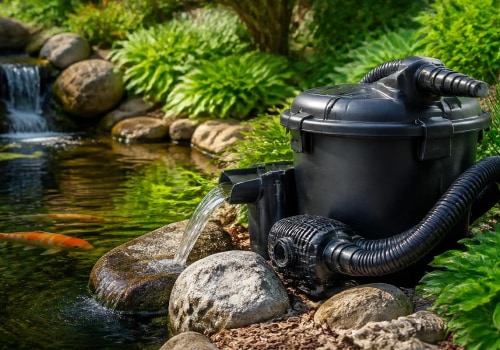
- Maintain Filtration Systems: Ensure that your pond's filtration system is functioning properly. Clean or replace filters as needed to keep the water clear and healthy.
Creating a Balanced Ecosystem for Your Pond Fish
Creating a thriving garden pond requires more than just adding fish; it involves establishing a balanced ecosystem that promotes fish health and overall pond vitality.One of the key components of this ecosystem is water quality management.Maintaining optimal water quality is essential for the well-being of your pond fish. Here are some critical factors to consider:
- pH Levels: Aim for a pH between 6.5 and 8.5, as most pond fish thrive in this range. Regular testing can help you monitor and adjust pH levels as needed.
- Ammonia and Nitrite Levels: Both ammonia and nitrite are toxic to fish. Utilize a reliable filtration system to keep these levels low, ideally at 0 ppm.
- Dissolved Oxygen: Ensure your pond has adequate oxygen levels, which can be achieved through aeration devices or by incorporating aquatic plants.
These microorganisms play a crucial role in breaking down organic waste, thus preventing harmful buildup that can lead to poor water quality.To foster beneficial bacteria in your garden pond:
- Add Natural Filtration: Incorporate plants like water lilies and cattails, which not only enhance aesthetics but also provide surfaces for beneficial bacteria to colonize.
- Use Bacterial Supplements: Consider adding commercial bacterial products designed for ponds to jumpstart the biological filtration process.
- Avoid Overfeeding: Excess food can decay and pollute the water, so feed your fish only what they can consume in a few minutes.
Common Challenges When Keeping Fish in Garden Ponds
Keeping fish in your garden pond can be a rewarding experience, but it also comes with its share of challenges. Understanding these common issues can help you create a thriving aquatic environment.Pond Fish Diseases
Pond fish are susceptible to various diseases, which can arise from poor water quality, overcrowding, or stress. Some common diseases include:- Ichthyophthirius multifiliis (Ich): A parasitic infection that causes white spots on the fish's skin.
- Fin rot: Often caused by bacteria, this condition leads to frayed fins and can be exacerbated by poor water conditions.
- Columnaris: A bacterial infection that manifests as white patches on the skin and can be fatal if not treated promptly.
Predators of Pond Fish
Your garden pond may attract various predators that pose a threat to your fish.Common predators include:
- Herons: These birds are skilled hunters and can quickly deplete your fish population.
- Raccoons: Known for their dexterity, raccoons can easily reach into ponds to catch fish.
- Snakes: Some species of snakes are natural predators of pond fish.
Seasonal Challenges for Pond Fish
Seasonal changes can also impact the health of your pond fish. In the summer, high temperatures can lead to low oxygen levels, while winter poses risks of freezing water. Here are some tips to manage these seasonal challenges:- In summer, ensure adequate aeration and consider adding shade to prevent overheating.
- During winter, use a pond heater or aerator to keep a portion of the surface ice-free, allowing for gas exchange.
FAQs About Fish in Garden Ponds
When considering fish for your garden pond, many enthusiasts have common questions. Here are some frequently asked questions that can help you make informed decisions.Can I keep goldfish in my pond?
Yes, goldfish are one of the most popular choices for garden ponds.They are hardy, adaptable, and can thrive in various water conditions. However, it's essential to ensure that your pond is adequately sized and has sufficient filtration to maintain water quality. Goldfish can grow quite large, so plan for their growth when installing your pond.
How many fish can I have in my pond?
The number of fish you can keep in your garden pond depends on several factors, including the size of the pond and the type of fish. A general rule of thumb is to allow one inch of fish per gallon of water.For example, if you have a 100-gallon pond, you could comfortably keep about 100 inches of fish. However, consider the adult size of the fish and their swimming space needs to avoid overcrowding.
What do I feed my pond fish?
Pond fish typically require a balanced diet to thrive. You can feed them commercial fish pellets, which are formulated to meet their nutritional needs. Additionally, you can supplement their diet with vegetables like peas or lettuce and occasional treats like worms or insects.It's crucial not to overfeed; only provide what they can consume in a few minutes to maintain water quality.By addressing these common questions, you can create a healthy and vibrant ecosystem in your garden pond that both you and your fish will enjoy.
Conclusion: Making the Right Choice for Your Garden Pond Fish
In conclusion, selecting the right fish for your garden pond installation is crucial for creating a thriving aquatic ecosystem. The choices you make will not only affect the aesthetic appeal of your pond but also its overall health and sustainability. When considering which fish to introduce, it’s essential to take into account factors such as the size of your pond, water quality, and climate. For instance, Koi and goldfish are popular choices due to their vibrant colors and adaptability, but they require ample space and proper filtration systems to thrive. On the other hand, smaller species like minnows or shubunkins can be ideal for smaller ponds. Additionally, it’s important to consider the compatibility of different fish species.Some fish may exhibit territorial behavior or may not coexist peacefully with others. Therefore, conducting thorough research on each species’ temperament and habitat needs is vital.
- Water Quality: Regular testing and maintenance of water parameters such as pH, ammonia levels, and temperature are essential for fish health.
- Feeding: Providing a balanced diet tailored to the specific needs of your fish will promote growth and vitality.
- Seasonal Care: Be mindful of seasonal changes that may affect your pond's ecosystem, including winter preparations for cold-water species.