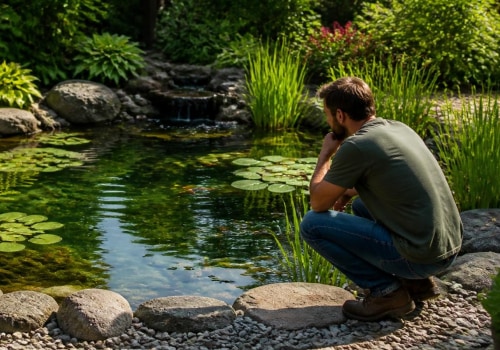
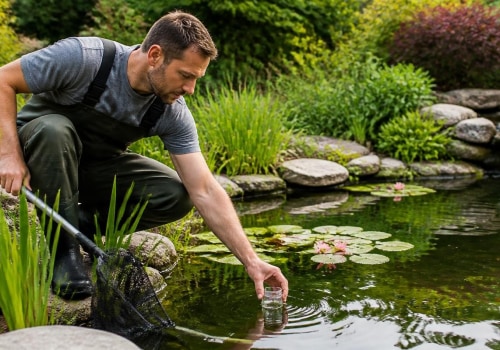
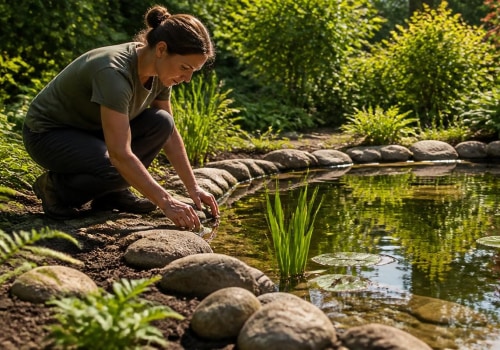
Creating a harmonious garden pond involves more than just digging a hole and filling it with water; it requires thoughtful garden pond installation that emphasizes the importance of a well-designed pond edge. A blended pond edge not only enhances the visual appeal of your outdoor space but also plays a crucial role in the overall health of your garden ecosystem. When the edges of your pond seamlessly integrate with the surrounding landscape, it creates a natural transition that invites wildlife and promotes biodiversity.The design of your pond edge should reflect the style and character of your garden. Whether you prefer a formal look with neatly trimmed stones or a more organic feel with native plants, the right pond edge design can elevate your garden's aesthetic.
By selecting materials and plants that complement your existing flora, you can create a cohesive environment that feels intentional and inviting. This thoughtful approach not only beautifies your space but also provides essential habitats for beneficial insects and amphibians.Moreover, blending your pond with the garden can help mitigate issues such as erosion and algae growth. A well-planned edge can stabilize soil, reduce runoff, and filter pollutants before they enter the water. By understanding the ecological benefits of a blended pond edge, you can make informed decisions during your garden pond installation, ensuring that your pond is not just a decorative feature but an integral part of a thriving garden ecosystem.
Choosing the Right Location for Your Pond
When planning your garden pond installation, selecting the right location is crucial for both aesthetic appeal and the health of the pond ecosystem.Here are some key factors to consider:
- Sunlight: Most aquatic plants thrive in sunlight, so choose a spot that receives at least 6 hours of direct sunlight each day. However, too much sun can lead to excessive algae growth, so consider partial shade from nearby trees or shrubs.
- Drainage: Ensure that the area has good drainage to prevent water from pooling around the pond. Avoid low-lying areas where rainwater might collect, as this can dilute the pond's water quality and disrupt its ecosystem.
- Proximity to Existing Plants: Position your pond near existing garden plants to create a harmonious landscape. This not only enhances visual appeal but also provides natural shade and shelter for wildlife.
However, be cautious of invasive roots that could disrupt the pond's structure.
- Accessibility: Consider how easy it will be to access your pond for maintenance tasks such as cleaning and adding treatments. A location that is easily reachable will save you time and effort in the long run.
- Viewpoints: Think about where you will enjoy your pond most. Placing it in a visible area allows you to appreciate its beauty and observe wildlife, enhancing your overall garden experience.
Designing Your Pond Edge: Styles and Materials
Creating a visually appealing pond edge is essential for achieving a harmonious blend between your garden pond installation and the surrounding landscape.The right choice of materials and design styles can enhance the overall aesthetic of your garden while ensuring functionality.
Pond Edge Materials
- Natural Stones: Using natural stones such as slate, granite, or river rocks can create a rustic and organic look. These materials not only provide stability but also mimic the natural environment, making your pond feel like a part of the landscape.
- Bricks and Pavers: For a more structured appearance, consider using bricks or pavers. These materials allow for various patterns and designs, giving you the flexibility to match your garden's style. They are also durable and can withstand weather changes.
- Wooden Edging: If you prefer a softer look, wooden edging can be an excellent choice.
Treated timber or cedar can add warmth to your pond area, but it’s essential to ensure that the wood is resistant to moisture to prevent decay.
- Concrete: For a modern touch, concrete can be molded into various shapes and sizes. It offers a clean line that can complement contemporary garden designs while providing a sturdy edge.
Pond Design Styles
The style of your pond edge should reflect the overall theme of your garden. Here are some popular design styles:- Naturalistic: This style emphasizes blending with nature. Use irregular stones and native plants to create a seamless transition from land to water.
- Formal: A formal pond design features straight lines and geometric shapes.
Use bricks or pavers arranged in symmetrical patterns for a polished look.
- Cottage Garden: Incorporate flowering plants and soft grasses around the pond edge for a charming, whimsical feel. This style invites wildlife and enhances biodiversity.
Incorporating Plants Around Your Pond Edge
Creating a harmonious transition between your garden pond and the surrounding landscape is essential for achieving a natural look. One of the most effective ways to accomplish this is by incorporating a variety of pond edge plants that not only enhance the aesthetic appeal but also support the local ecosystem.Selecting the Right Plants
- Aquatic Plants: These are essential for maintaining water quality and providing habitat for wildlife.
Consider adding water lilies, which float on the surface, or lotus, known for their stunning flowers.
- Marginal Plants: These plants thrive in shallow water and along the pond's edge. Options like cattails, bulrushes, and pickerel rush can create a lush border while helping to filter pollutants.
- Terrestrial Plants: Incorporate plants that thrive in moist soil around the pond's perimeter. Hostas, ferns, and astilbes can add texture and color, blending seamlessly with your garden.
Arranging Your Plants
The arrangement of your plants is just as important as their selection. Here are some tips to create a visually appealing layout:
- Create Layers: Position taller plants like cattails at the back and shorter ones like ferns in front.
This layering effect draws the eye and adds depth.
- Group Plants: Plant in clusters rather than single specimens to create a more natural look. Grouping similar species can also enhance their visual impact.
- Consider Seasonal Interest: Choose a mix of plants that bloom at different times of the year to ensure your pond edge remains vibrant throughout all seasons.
Creating a Natural Look with Rocks and Gravel
Creating a natural look for your garden pond edge can significantly enhance the overall aesthetic of your landscape. One effective way to achieve this is by incorporating rocks and gravel into your pond design.These materials not only provide stability but also mimic the natural environments found in nature.
Using Rocks in Pond Design
- Select Varied Sizes: Choose rocks of different sizes to create a more organic appearance. Larger boulders can serve as focal points, while smaller stones can fill in gaps.
- Natural Placement: Arrange the rocks in a way that looks random and unplanned. Avoid straight lines; instead, opt for curves that follow the natural contours of your pond.
- Integrate with Plants: Position rocks near aquatic plants or along the shoreline to create a seamless transition between the water and land.
Gravel for Pond Edges
- Choose the Right Type: Use gravel that complements the color and texture of your rocks. Smooth river stones or crushed granite can work well.
- Layering Technique: Create layers of gravel around the pond edge.
Start with larger stones at the base and gradually add smaller gravel on top for a more natural look.
- Drainage Benefits: Gravel not only enhances aesthetics but also aids in drainage, preventing soil erosion and keeping your pond edge stable.
Natural Pond Landscaping
Incorporating rocks and gravel into your pond edge is just one aspect of creating a harmonious landscape. Consider adding native plants that thrive in wet conditions, which will further enhance the natural feel of your garden pond. By blending these elements together, you can create a stunning focal point that feels like a natural extension of your garden.
Maintaining Your Pond Edge for Longevity
Creating a beautiful pond edge is just the beginning; maintaining it is essential for ensuring its longevity and aesthetic appeal. Regular maintenance not only keeps your pond looking pristine but also enhances the overall health of your garden ecosystem.Pond Maintenance Tips
- Regular Cleaning: Remove debris such as leaves, twigs, and algae from the pond edge regularly.
This prevents buildup that can lead to water quality issues and unattractive appearances.
- Inspect Edges: Check the edges of your pond for any signs of erosion or damage. Addressing these issues promptly can prevent larger problems down the line.
- Water Quality: Test the water quality periodically to ensure it remains balanced. Poor water quality can affect both the pond's appearance and the health of aquatic life.
Keeping Pond Edge Clean
To maintain a clean pond edge, consider implementing a few strategies:- Use a Skimmer: Installing a skimmer can help remove floating debris before it settles on the pond edge.
- Plant Selection: Choose plants that naturally help filter water and reduce algae growth. Native plants often require less maintenance and are better suited to your local environment.
- Mulching: Apply mulch around the pond edge to suppress weeds and retain moisture, which can help keep the area tidy.
Long-Lasting Pond Design
A well-designed pond edge not only enhances beauty but also contributes to easier maintenance.Consider these design elements:
- Gradual Slopes: A gently sloping edge allows for easier access when cleaning and reduces erosion risks.
- Natural Materials: Use stones or gravel that blend with your garden's aesthetic while providing stability to the pond edge.
- Diverse Planting: Incorporate a variety of plants along the edge to create a natural barrier that helps filter runoff and provides habitat for wildlife.
Common Mistakes to Avoid When Installing a Pond Edge
Creating a beautiful pond edge that seamlessly integrates with your garden can be a rewarding project, but there are several common mistakes that can hinder your success. Understanding these pitfalls is crucial for achieving a stunning and functional pond installation.- Neglecting Proper Planning: One of the most frequent errors is diving into pond installation without a clear plan. Take the time to sketch out your design, considering the size, shape, and location of your pond. This will help you visualize how the pond edge will interact with existing garden features.
- Ignoring Water Flow: Failing to account for water flow can lead to erosion and sediment buildup around the pond edge.
Ensure that your design allows for proper drainage and that the edge is slightly sloped to facilitate water movement.
- Choosing Inappropriate Materials: Selecting the wrong materials for your pond edge can detract from its natural appearance. Avoid using harsh, unnatural materials that clash with your garden's aesthetic. Instead, opt for stones, gravel, or plants that complement your landscape.
- Overlooking Plant Selection: Plants play a vital role in softening the pond edge and creating a harmonious transition between water and land. Avoid overcrowding or choosing invasive species that may disrupt the ecosystem.
Instead, select native plants that thrive in your climate.
- Forgetting Maintenance Needs: A common oversight is not considering how easy it will be to maintain the pond edge. Ensure that your design allows for easy access to perform routine maintenance tasks such as cleaning and pruning.
FAQs About Blending Pond Edges with Gardens
Creating a seamless transition between your garden and pond can enhance the overall aesthetic of your outdoor space. Here are some frequently asked questions regarding blending pond edges with gardens:- What materials are best for pond edges?
Natural stones, gravel, and pavers are popular choices for creating a natural look.These materials can help integrate the pond into the surrounding landscape.
- How can I prevent erosion around the pond edge?
Using plants with deep root systems, such as native grasses and perennials, can stabilize the soil. Additionally, installing a layer of gravel or rocks can help absorb water and reduce erosion. - What plants should I use near my pond?
Consider using aquatic plants, such as water lilies and cattails, along with marginal plants like irises and ferns. These plants not only beautify the area but also provide habitat for wildlife. - How do I choose the right height for my pond edge?
The height should be level with the surrounding garden beds to create a smooth transition. A slight slope can also be effective in blending the pond into the landscape. - Can I use mulch around my pond?
Yes, using organic mulch can help retain moisture and suppress weeds.However, ensure that it does not wash into the pond during heavy rains.
Conclusion: Achieving a Beautifully Integrated Garden Pond Edge
In conclusion, creating a pond edge that seamlessly integrates with your garden is a rewarding endeavor that enhances both the aesthetic and ecological value of your outdoor space. Throughout this article, we have explored various strategies for achieving a harmonious design that complements your garden's existing features. First and foremost, consider the materials you choose for your pond edge. Natural stones, gravel, and native plants can create a more organic look, while concrete or brick may offer a more structured appearance. The key is to select materials that resonate with the overall theme of your garden. Additionally, the shape of your pond plays a crucial role in its integration.Curved edges often blend more naturally into the landscape compared to rigid, geometric shapes. This fluidity can mimic the contours found in nature, making your pond feel like a natural extension of your garden. Planting marginal plants around the pond's edge not only softens the transition between water and land but also provides habitat for wildlife. Consider incorporating a variety of species that bloom at different times to ensure year-round interest. Finally, remember that maintenance is essential for preserving the beauty of your pond edge. Regularly trimming overgrown plants and removing debris will keep your pond looking pristine and inviting. By thoughtfully considering these elements—materials, shape, planting, and maintenance—you can create a stunning garden pond edge that enhances your landscape while providing a tranquil retreat for relaxation and enjoyment.