Creating a thriving garden pond ecosystem is essential for the health of your fish and the overall maintenance of your pond. A well-balanced ecosystem not only supports aquatic life but also enhances the aesthetic appeal of your garden. Understanding the intricate relationships between water quality, plant life, and fish species is crucial for anyone considering garden pond installation. The right combination of these elements can lead to a vibrant habitat that flourishes year-round. When selecting fish for your pond, it’s important to consider pond fish compatibility.
Different species have varying needs in terms of water temperature, pH levels, and space requirements. For instance, some fish thrive in warmer waters while others prefer cooler environments. Additionally, certain species may exhibit territorial behaviors that can disrupt the harmony of your pond. Therefore, researching and understanding these dynamics is vital to ensure a peaceful coexistence among your aquatic inhabitants. The pond environment plays a significant role in determining which fish species will thrive.
Factors such as sunlight exposure, vegetation, and filtration systems contribute to the overall health of the pond. Incorporating native plants can provide shelter and breeding grounds for fish, while also improving water quality through natural filtration. By fostering a balanced ecosystem, you not only create a sanctuary for fish but also promote biodiversity that benefits the entire garden landscape.
Factors to Consider When Choosing Fish for Your Pond
When planning your garden pond installation, selecting the right fish species is crucial for creating a balanced ecosystem. Several factors should be considered to ensure the health and happiness of your aquatic life.Pond Size
The size of your pond plays a significant role in determining which fish species will thrive.Larger ponds can support bigger fish and a greater variety of species, while smaller ponds may limit your options. As a general rule, aim for at least 100 gallons of water per fish to provide adequate space and reduce stress.
Water Temperature
Different fish species have varying tolerances for water temperature. For instance, Koi and goldfish can adapt to a range of temperatures, making them suitable for many climates. However, if you live in an area with extreme temperatures, consider species that are specifically adapted to those conditions.Regularly monitoring the water temperature will help you maintain a healthy environment for your fish.
Fish Compatibility
Compatibility among fish species is another critical factor. Some fish are territorial and may not coexist peacefully with others. For example, Koi can be aggressive towards smaller fish, while goldfish tend to be more docile. When selecting fish, research their behavior and ensure that the species you choose can live harmoniously together.- Koi: Ideal for larger ponds; require ample space and filtration.
- Goldfish: Hardy and adaptable; suitable for smaller ponds.
- Shubunkin: Colorful and peaceful; good companions for goldfish.
- Catfish: Bottom dwellers that help keep the pond clean; need larger spaces.
Top Fish Species for Garden Ponds
When considering garden pond installation, selecting the right fish species is crucial for creating a balanced ecosystem.Here are some of the best fish options for your garden pond:
Koi Fish
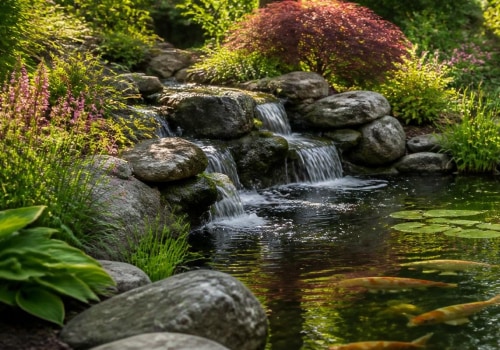
Koi are one of the most popular choices for garden ponds due to their vibrant colors and patterns. These fish can grow quite large, often reaching lengths of up to 36 inches, so it's essential to have a spacious pond. Koi thrive in well-maintained water conditions and require a minimum depth of 3 feet to survive winter temperatures. They are also social creatures, so it's best to keep them in groups.Goldfish
Goldfish are another excellent option for garden ponds, especially for beginners.They are hardy and can adapt to various water conditions. Unlike koi, goldfish typically grow smaller, making them suitable for smaller ponds. They also come in various varieties, including the popular comet and shubunkin. Goldfish require less space than koi but still benefit from a pond depth of at least 2 feet to ensure their safety during colder months.
Native Pond Fish
Incorporating native pond fish into your garden pond can enhance its ecological balance.Species such as bluegill, sunfish, and minnows are well-adapted to local climates and can thrive with minimal care. These fish help control mosquito populations and contribute to the natural food web within your pond. Additionally, native species often require less maintenance and can coexist peacefully with other fish.When selecting fish for your garden pond, consider factors such as pond size, water quality, and the specific needs of each species. By choosing the right mix of koi, goldfish, and native fish, you can create a thriving aquatic environment that enhances the beauty of your outdoor space.
Maintaining a Healthy Environment for Your Pond Fish
Maintaining a healthy environment for your pond fish is crucial for their growth and overall well-being.Proper pond maintenance not only enhances the aesthetic appeal of your garden pond but also ensures that your fish thrive in a balanced ecosystem.
Water Quality Management
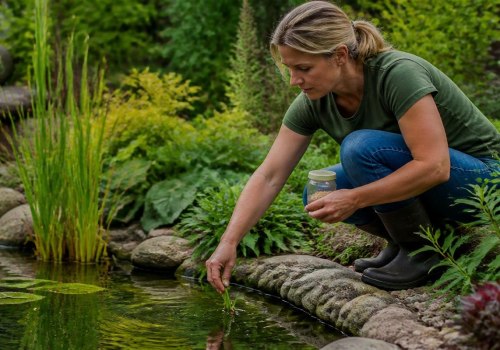
One of the most important aspects of pond maintenance is water quality management. Regularly testing the water for pH levels, ammonia, nitrites, and nitrates is essential. Ideal pH levels for most pond fish range from 6.5 to 8.5.Here are some tips to maintain optimal water quality:- Regular Water Testing: Use a reliable water testing kit to monitor parameters weekly, especially during warmer months.
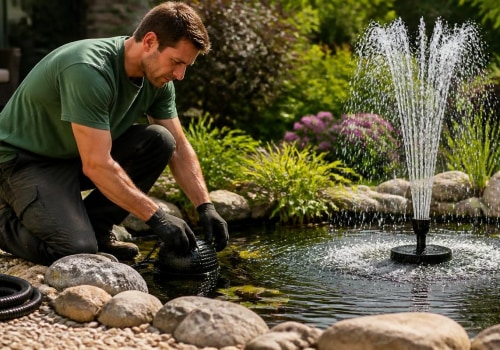
- Aeration: Ensure proper aeration through fountains or aerators to increase oxygen levels, which is vital for fish health.
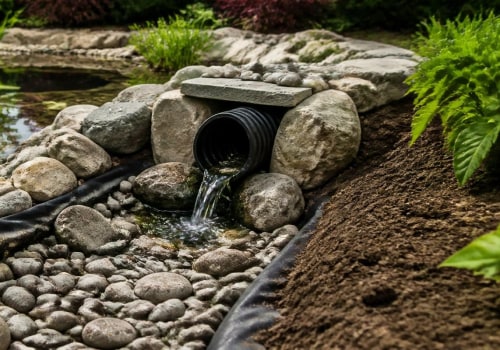
- Filtration: Invest in a good filtration system to remove debris and harmful substances from the water.
- Water Changes: Perform partial water changes (about 10-20%) every two weeks to dilute toxins and replenish essential minerals.
Feeding Pond Fish
The feeding practices you adopt also play a significant role in maintaining a healthy environment. Overfeeding can lead to excess waste and deteriorate water quality.Here are some guidelines for feeding your pond fish:
- Quality Fish Food: Choose high-quality, species-appropriate fish food that meets the nutritional needs of your fish.
- Feeding Schedule: Feed your fish once or twice a day, providing only what they can consume in a few minutes to prevent leftover food from polluting the water.
- Seasonal Adjustments: Adjust feeding amounts based on the season; fish require less food in colder months when their metabolism slows down.
Common Challenges in Garden Pond Fishkeeping
Maintaining a healthy ecosystem in your garden pond can be rewarding, but it also comes with its share of challenges. Understanding these challenges is crucial for successful fishkeeping.Pond Fish Diseases
One of the most significant concerns for pond owners is fish diseases. Common ailments include:- Ichthyophthirius multifiliis (Ich): A parasitic infection that causes white spots on fish.
- Fin rot: Often caused by poor water quality, leading to frayed fins.
- Columnaris: A bacterial infection that can affect fish skin and gills.
Predator Protection
Pond fish are often vulnerable to predators such as birds, raccoons, and cats.To protect your fish, consider the following strategies:
- Netting: Installing a protective net over the pond can deter birds.
- Decoys: Using decoys like plastic owls or herons can scare away potential threats.
- Plants: Incorporating dense aquatic plants provides hiding spots for fish.
Seasonal Changes in Ponds
The changing seasons significantly impact pond health and fish behavior. In spring, as temperatures rise, fish become more active and require more food. However, during summer, high temperatures can lead to oxygen depletion. It's essential to monitor water temperature and consider aeration methods if necessary.In autumn, as leaves fall into the pond, they can decompose and affect water quality.Regular cleaning is vital during this time. Winter poses its own challenges; if the pond freezes over, ensure there is a hole in the ice for gas exchange to prevent harmful buildup.By being aware of these seasonal changes and their effects on your garden pond, you can better prepare and maintain a thriving aquatic environment for your fish.
Frequently Asked Questions About Pond Fish Selection
When it comes to selecting fish for your garden pond, several common questions arise. Here are some of the most frequently asked questions regarding pond fish selection.What is the best time to add fish to my pond?
The ideal time to introduce fish into your garden pond is during the spring or early summer. This timing allows the water temperature to be stable and conducive for fish acclimatization.Additionally, during these warmer months, the pond ecosystem is more active, promoting a healthier environment for your new aquatic pets.
How many fish can I have in my pond?
The number of fish you can safely keep in your pond depends on several factors, including the size of the pond and the species of fish. A general rule of thumb is to allow one inch of fish per gallon of water. For example, if you have a 500-gallon pond, you can comfortably house around 50 inches of fish. However, it's essential to consider the adult size of the fish species you choose, as some can grow significantly larger than others.What are some common pond fish species?
- Koi: Known for their vibrant colors and patterns, koi are a popular choice for larger ponds.
- Goldfish: Hardy and easy to care for, goldfish are suitable for smaller ponds.
- Shubunkin: These colorful fish are similar to goldfish but have a unique calico pattern.
- Catfish: Ideal for larger ponds, catfish help keep the pond clean by eating debris.
Remember to monitor water quality and ensure that your pond has adequate filtration and aeration to support your aquatic life.
Conclusion: Creating a Thriving Garden Pond Community
In conclusion, establishing a thriving garden pond community hinges on the careful selection of fish species that not only enhance the aesthetic appeal but also contribute to the ecological balance of the pond. Throughout this article, we have explored various fish species suitable for garden ponds, emphasizing their compatibility with different environmental conditions and their roles in maintaining water quality.Choosing the right fish is crucial for creating a harmonious ecosystem. For instance, Koi and goldfish are popular choices due to their vibrant colors and adaptability. However, it’s essential to consider their size and growth potential, as larger species require more space and filtration.Additionally, incorporating smaller species like minnows or shubunkins can help control mosquito populations while providing food for larger fish.
- Consider the pond size: Ensure that the fish species you choose can thrive in your pond's dimensions.
- Water quality: Regular testing and maintenance are vital for keeping your fish healthy.
- Diversity: A mix of species can create a more resilient ecosystem, reducing the risk of disease.