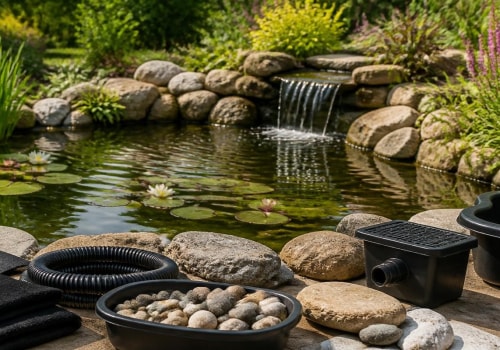
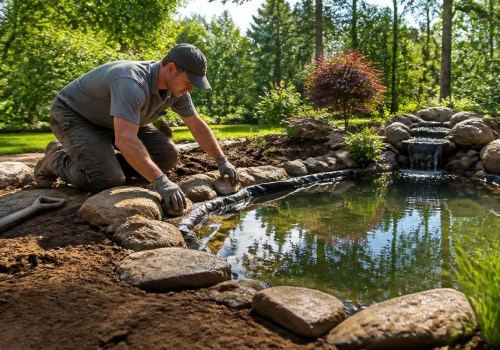
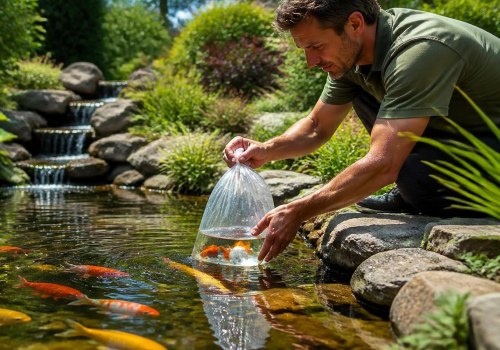
Installing a garden pond fountain can transform your outdoor space into a serene oasis, offering numerous benefits that go beyond mere aesthetics. One of the most compelling reasons to consider this addition is the aesthetic appeal it brings to your garden. The gentle sound of flowing water creates a calming atmosphere, while the visual beauty of the fountain can serve as a stunning focal point, enhancing the overall design of your landscape. Moreover, a garden pond fountain plays a crucial role in attracting wildlife. Birds, butterflies, and beneficial insects are drawn to the sound and sight of moving water, creating a vibrant ecosystem right in your backyard.
This not only enriches your garden's biodiversity but also provides opportunities for nature observation, making your outdoor space more engaging and lively. Another significant advantage of installing a garden pond fountain is its ability to improve water aeration. The movement of water helps to increase oxygen levels in the pond, which is essential for maintaining a healthy aquatic environment. This aeration supports fish and plant life, preventing stagnation and promoting a balanced ecosystem. By investing in a garden pond fountain, you are not just enhancing your landscape; you are also contributing to the health and vitality of your pond.
Planning Your Garden Pond Fountain Installation
Installing a garden pond fountain requires careful planning to ensure that your project is successful and meets your aesthetic and functional needs.The first step in this process is to choose the right location for your pond fountain.
Choosing the Right Location
- Sunlight: Consider how much sunlight the area receives. Most pond fountains benefit from at least six hours of sunlight daily, which helps maintain water temperature and supports aquatic life.
- Visibility: Select a spot that enhances the visual appeal of your garden. A fountain should be a focal point, so place it where it can be easily seen from various angles.
- Accessibility: Ensure that the location is easily accessible for maintenance and cleaning. You’ll want to be able to reach the fountain without difficulty.
- Proximity to Power Source: If your fountain requires electricity, consider its distance from an electrical outlet.
Running extension cords can be unsightly and unsafe.
Size Considerations
The size of your garden pond fountain should complement the overall dimensions of your garden. A large fountain may overwhelm a small space, while a tiny fountain might get lost in a larger landscape. Measure the area where you plan to install the fountain and consider how it will fit with existing plants, pathways, and other features.
Understanding Local Regulations
Before proceeding with your installation, check with local authorities regarding any regulations or permits required for garden pond installations. Some areas have specific guidelines about water features, especially concerning water usage and wildlife protection.
Ensuring compliance with these regulations will save you time and potential fines down the line.By taking the time to plan your garden pond fountain installation carefully, you can create a beautiful and harmonious addition to your outdoor space that enhances both its beauty and tranquility.
Choosing the Right Fountain for Your Garden Pond
When it comes to garden pond installation, selecting the right fountain can significantly enhance the aesthetic and ambiance of your outdoor space. There are several types of garden pond fountains to consider, each with its unique features and benefits.- Solar Fountains: These eco-friendly options harness sunlight to power the pump, making them an excellent choice for those looking to reduce energy costs. They are easy to install and require minimal maintenance, but their performance may vary depending on sunlight availability.
- Electric Fountains: For consistent performance, electric fountains are a reliable choice. They provide a steady water flow and can be used in various designs.
However, they require access to an electrical outlet and may involve more complex installation.
- Decorative Fountains: These fountains serve as stunning focal points in your garden. Available in various styles—from classical to modern—decorative fountains can be made from materials like stone, ceramic, or metal. Consider how the design complements your garden's overall theme.
- Size: Ensure the fountain's size is proportionate to your pond and garden space. A large fountain may overwhelm a small pond, while a tiny fountain might get lost in a larger area.
- Style: Choose a style that aligns with your garden's aesthetic.
Whether you prefer a rustic look or a sleek modern design, the fountain should harmonize with its surroundings.
- Maintenance: Different fountains require varying levels of upkeep. Solar fountains typically need less maintenance than electric ones, which may require regular cleaning and checks on electrical components.
- Budget: Determine your budget before shopping for a fountain. Prices can vary widely based on size, material, and features. Remember to factor in installation costs if you're hiring a professional.
Step-by-Step Installation Process
Installing a garden pond fountain can enhance the beauty of your outdoor space while providing soothing sounds of flowing water.Follow these step-by-step installation steps to ensure a successful setup.
- Gather Your Materials: Before starting, collect all necessary materials, including the fountain kit, a submersible pump, tubing, and any decorative stones or plants you wish to include.
- Select the Location: Choose a suitable spot for your fountain. Ensure it is near a power source for the pump and has access to sunlight if you want to encourage plant growth around it.
- Prepare the Pond: If you don’t have an existing pond, dig a hole that will accommodate your fountain basin. The depth should be sufficient to hold water and allow for the pump's placement.
- Install the Pump: Place the submersible pump at the bottom of the pond. Make sure it is stable and positioned correctly to avoid any blockages.
Connect the tubing from the pump to the fountain head.
- Add Water: Fill the pond with water until it reaches the desired level. This will help test the pump's functionality and ensure everything is working correctly.
- Assemble the Fountain: Follow the manufacturer’s instructions to assemble your fountain. This may involve attaching various components such as spouts or decorative features.
- Test the Fountain: Turn on the pump and observe how water flows from the fountain. Adjust the tubing or fountain head as necessary to achieve your desired water effect.
- Add Finishing Touches: Once satisfied with the flow, add decorative stones or aquatic plants around your fountain to enhance its appearance and integrate it into your garden design.
Maintaining Your Garden Pond Fountain
Maintaining your garden pond fountain is essential for ensuring its longevity and optimal performance.Regular maintenance not only keeps the fountain looking beautiful but also prevents potential issues that could arise from neglect.
Regular Cleaning
One of the most important aspects of garden pond fountain maintenance is regular cleaning. Debris such as leaves, dirt, and algae can accumulate in and around the fountain, affecting both its appearance and functionality. Here are some tips for effective cleaning:- Frequency: Clean your fountain at least once a month during the growing season. In fall, increase the frequency to prevent leaf buildup.
- Tools: Use a soft brush or sponge to scrub surfaces gently.
Avoid harsh chemicals that could harm aquatic life.
- Water Changes: Replace a portion of the water regularly to keep it fresh and clear.
Seasonal Care
Seasonal changes can impact your garden pond fountain significantly. Here’s how to care for it throughout the year:- Spring: Inspect the fountain for any winter damage, clean thoroughly, and check the pump and filter.
- Summer: Monitor water levels regularly, as evaporation can lead to low water levels. Add water as needed and keep an eye on algae growth.
- Fall: Remove fallen leaves and prepare the fountain for winter by draining it if necessary to prevent freezing damage.
- Winter: If you live in a region with freezing temperatures, consider removing the pump and storing it indoors. If you leave it outside, ensure it’s protected from ice formation.
By following these maintenance tips, you can enjoy a beautiful and serene water feature in your garden for years to come.
Common Issues and Troubleshooting Tips
Installing a garden pond fountain can enhance the beauty of your outdoor space, but like any feature, it may encounter some issues over time. Here are some common problems and troubleshooting tips to help you maintain your fountain effectively.- Low Water Flow: If you notice that the water flow from your fountain has decreased, check for any blockages in the pump or tubing. Leaves, debris, or algae can obstruct water flow. Regularly clean these components to ensure optimal performance.
- Noise Issues: A fountain that produces excessive noise may indicate that the pump is running dry or is not submerged properly.
Ensure that the pump is adequately covered by water and consider adjusting its position if necessary.
- Water Quality Problems: Cloudy or discolored water can be a sign of poor water quality. Test the water for pH levels and contaminants. Regularly change a portion of the water and use appropriate treatments to keep it clear.
- Electrical Problems: If your fountain is powered by electricity and stops working, check the power source and connections. Ensure that the circuit breaker hasn’t tripped and inspect for any frayed wires.
- Fountain Leaks: If you notice water pooling around your fountain, it may have a leak.
Inspect the basin and connections for cracks or loose fittings. Seal any leaks with waterproof sealant designed for outdoor use.
Enhancing Your Garden Pond Experience with Accessories
Installing a garden pond is just the beginning of creating a serene outdoor oasis. To truly enhance your garden pond experience, consider incorporating various accessories that not only improve aesthetics but also boost functionality.Lighting Options
One of the most impactful ways to elevate your garden pond is through strategic lighting.Underwater LED lights can create a magical ambiance during the evening hours, illuminating the water and highlighting any aquatic plants or decorative features. Solar-powered lights are an eco-friendly option that can be easily installed around the pond's perimeter, casting a soft glow and enhancing safety during nighttime.
Aquatic Plants
Integrating aqua plants into your garden pond not only beautifies the space but also contributes to the ecosystem. Floating plants like water lilies provide shade and shelter for fish, while submerged plants help oxygenate the water. Consider adding marginal plants such as cattails or irises along the edges to create a natural look and attract wildlife.Fountains and Waterfalls
Adding a fountain or waterfall can significantly enhance the auditory and visual appeal of your garden pond.The sound of flowing water creates a tranquil atmosphere, while the movement helps aerate the water, promoting a healthier environment for fish and plants. Choose from solar-powered options or electric models that suit your pond's size and style.
Decorative Features
Incorporating decorative elements such as rocks, statues, or even a small bridge can add character to your garden pond. These features not only serve as focal points but also provide hiding spots for fish and other aquatic life. When selecting decorations, ensure they complement the overall theme of your garden.By thoughtfully selecting garden pond accessories, you can transform your outdoor space into a stunning retreat that offers both beauty and tranquility.Whether it’s through lighting, plants, or decorative features, each addition plays a vital role in enhancing your garden pond experience.
Conclusion: Enjoying Your New Garden Pond Fountain
Congratulations on successfully completing your garden pond installation! Now that your new garden pond fountain is in place, it’s time to sit back, relax, and enjoy the tranquil ambiance it brings to your outdoor space. A well-installed fountain not only enhances the aesthetic appeal of your garden but also contributes to a serene atmosphere that can be enjoyed year-round.To fully appreciate your new fountain, consider the following:- Regular Maintenance: Ensure that you keep the fountain clean and free from debris. Regular maintenance will help prolong its lifespan and maintain its beauty.
- Observe Wildlife: Your garden pond fountain may attract various birds and butterflies. Take some time to observe these creatures as they visit your pond, adding life and vibrancy to your garden.
- Personalize Your Space: Enhance the area around your fountain with plants, stones, or decorative elements that complement its design.
This will create a cohesive look and make your garden feel more inviting.