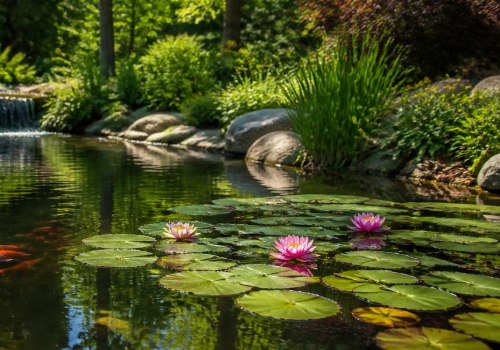
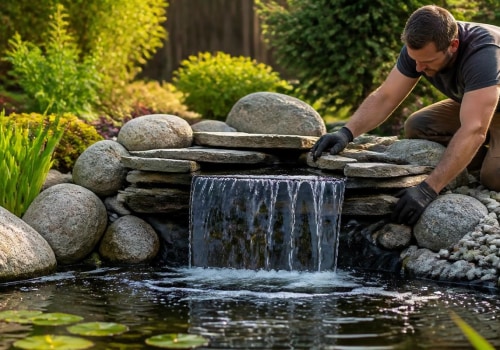
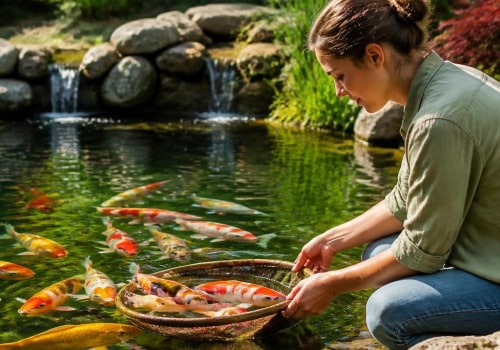
Installing a garden pond can transform your outdoor space into a serene oasis, offering both aesthetic appeal and ecological benefits. The process of garden pond installation involves careful planning and execution, ensuring that the pond not only enhances the beauty of your garden but also supports local wildlife. From selecting the right location to choosing suitable plants and fish, every aspect plays a crucial role in creating a thriving aquatic environment. The benefits of having a garden pond extend beyond mere decoration. A well-designed pond can attract beneficial insects, birds, and other wildlife, contributing to a balanced ecosystem in your backyard.
Additionally, ponds can serve as a natural water feature that helps regulate temperature and humidity levels in your garden, making it a more inviting space for both you and your plants. Furthermore, the soothing sounds of flowing water can provide a calming atmosphere, perfect for relaxation or entertaining guests. As you consider embarking on this rewarding project, understanding the optimal timing for garden pond installation is essential. Different seasons bring unique challenges and advantages that can significantly impact the success of your pond. In the following sections, we will explore the best times of year to install a garden pond, ensuring that you make informed decisions that lead to a flourishing aquatic haven.
Factors Influencing the Best Time for Installation
When considering garden pond installation, several factors come into play that can significantly influence the best time for setting up your pond.Understanding these factors will help ensure a successful installation and a thriving aquatic ecosystem.
- Climate: The local climate is perhaps the most critical factor. In regions with harsh winters, it’s advisable to install your pond in late spring or early summer. This timing allows the pond to establish itself before the cold weather sets in. Conversely, in milder climates, fall can be an excellent time for installation, as it allows for cooler temperatures that can reduce stress on newly introduced plants and fish.
- Plant Growth Cycles: The growth cycles of aquatic plants also dictate the best time for installation.
Most aquatic plants thrive when temperatures are warm, typically from late spring to early summer. Installing your pond during this period allows you to take advantage of the growing season, ensuring that plants can establish roots and flourish.
- Local Wildlife: Consideration of local wildlife is essential when planning your garden pond installation. Many animals, such as frogs and birds, have specific breeding seasons. Installing your pond outside of these periods can minimize disruption to local ecosystems and encourage wildlife to visit your garden.
- Soil Conditions: The condition of the soil where you plan to install your pond is another important factor.
Wet or overly saturated soil can complicate installation efforts. Ideally, aim for a time when the ground is neither too dry nor too wet, which often occurs in early spring or early fall.
Spring: The Ideal Season for Garden Pond Installation
When considering garden pond installation, spring emerges as the prime season for several compelling reasons. As the temperatures begin to rise and the days grow longer, the conditions become ideal for both the installation process and the subsequent growth of aquatic plants.Favorable Weather Conditions
- The moderate temperatures of spring allow for easier handling of materials and equipment, reducing the risk of damage during installation.
- Spring rains can help settle the pond's structure, ensuring that it is secure and stable.
- With less extreme weather, such as winter frost or summer heat, spring provides a comfortable environment for both installers and plants.
Enhanced Plant Growth
One of the most significant advantages of installing a garden pond in spring is the opportunity for immediate plant growth. As you set up your pond:
- You can introduce a variety of aquatic plants that will thrive in the warming waters.
- Spring is the natural growing season, allowing plants to establish roots before the heat of summer arrives.
- Early installation means that your pond will be ready to support wildlife, such as frogs and dragonflies, as they emerge from hibernation.
By taking advantage of this season, you can create a vibrant ecosystem that not only enhances your garden's aesthetic but also contributes to local biodiversity.In conclusion, if you're contemplating garden pond installation, spring is undoubtedly the best time to embark on this rewarding project. With favorable weather conditions and optimal growth opportunities for aquatic plants, your garden pond will flourish and provide enjoyment for years to come.
Summer: Pros and Cons of Installing a Garden Pond
Installing a garden pond during the summer can be both rewarding and challenging. Understanding the pros and cons of summer pond installation is crucial for ensuring a successful project.Pros of Summer Garden Pond Installation
- Optimal Plant Growth: Summer provides warm temperatures that promote rapid growth of aquatic plants. This is beneficial for establishing a balanced ecosystem in your pond.
- Immediate Enjoyment: Installing a pond in summer allows you to enjoy it right away.
You can host gatherings or simply relax by your new water feature during the warm months.
- Easier Water Management: With longer days and more sunlight, monitoring water levels and quality becomes easier. You can quickly address any issues that arise.
Cons of Summer Garden Pond Installation
- Heat Stress on Fish: If you plan to introduce fish, high summer temperatures can stress them. It's essential to monitor water temperature closely to prevent overheating.
- Evaporation Concerns: Hot weather can lead to increased evaporation rates, which may require more frequent water top-ups. This can complicate maintenance efforts.
- Pest Issues: Summer often brings an influx of pests, such as mosquitoes, which can breed in stagnant water.
Proper filtration and maintenance are necessary to mitigate this problem.
Fall: Preparing Your Garden Pond for Winter
As the vibrant colors of summer fade and the crisp air of fall settles in, many gardeners overlook the potential benefits of garden pond installation during this season. However, fall is an ideal time to establish a pond, especially when considering the preparation for winter.One of the primary advantages of installing a garden pond in the fall is the opportunity to set up aquatic plants before the cold weather arrives. Many plants, such as water lilies and lotus, thrive when planted in cooler temperatures, allowing them to establish strong root systems before winter sets in.This early establishment can lead to healthier growth in the spring, giving your pond a head start on the growing season.Additionally, fall installations allow you to take advantage of natural rainfall, which can help fill your pond and reduce the need for extensive watering. This is particularly beneficial for new ponds that require time to balance their ecosystem. The cooler temperatures also mean less evaporation, helping maintain water levels more effectively.Moreover, installing your garden pond in the fall gives you ample time to prepare for winter. You can incorporate features such as pond heaters or aerators to ensure that your pond remains healthy throughout the colder months.
These preparations are crucial for maintaining fish health and preventing ice from forming completely over the surface.In summary, fall is not just a time for cleanup; it’s an excellent opportunity for garden pond installation. By planting aquatic life now and preparing for winter, you can create a thriving ecosystem that will flourish come spring.
Winter: Is It Possible to Install a Garden Pond?
Installing a garden pond during the winter months can be a challenging yet rewarding endeavor. While many homeowners prefer to wait until spring or summer for such projects, winter installation is not impossible. However, it does come with its own set of challenges that need to be carefully considered.Winter Pond Challenges
- Frozen Ground: One of the primary challenges of winter pond installation is dealing with frozen ground.
The soil can be hard and difficult to excavate, making it essential to have the right tools and techniques to break through the frost.
- Water Temperature: Cold water temperatures can affect the installation process, particularly when it comes to sealing and maintaining the integrity of pond liners. It's crucial to use materials that can withstand lower temperatures.
- Wildlife Considerations: Winter is a time when many animals are hibernating or less active. However, it's important to consider how your pond will impact local wildlife once it is installed. Ensuring that your pond is safe for animals should be a priority.
Benefits of Winter Installation
- Less Competition: Many contractors are less busy during the winter months, which may allow for more flexible scheduling and potentially lower costs.
- Early Spring Enjoyment: By installing your garden pond in winter, you can enjoy it as soon as spring arrives, giving you a head start on landscaping and planting around your new feature.
If you choose to proceed with installation during this season, ensure you are well-prepared and equipped to handle the specific conditions that winter brings.
Frequently Asked Questions About Garden Pond Installation Timing
When considering garden pond installation, timing can significantly impact the success and longevity of your pond. Here are some frequently asked questions regarding the best time to install a garden pond:- What is the ideal season for garden pond installation?
The best time to install a garden pond is typically in the spring or early fall. During these seasons, temperatures are moderate, allowing for optimal conditions for both the pond and the plants and fish that will inhabit it. - Can I install a garden pond in winter?
While it is possible to install a pond in winter, it is not recommended due to frozen ground conditions and potential complications with water features. If you must install during this time, ensure you have proper equipment to manage the cold. - How does weather affect garden pond installation?
Weather plays a crucial role in garden pond installation.Heavy rains can lead to flooding, while extreme heat can cause evaporation issues. Aim for dry, mild days when planning your installation.
- Should I consider local climate when planning my installation?
Absolutely! Different regions have varying climates that can affect the timing of your installation. For instance, areas with harsh winters may require earlier installations in spring to allow for settling before summer. - What about plant and fish considerations?
If you plan to include aquatic plants or fish, consider their seasonal needs. Many plants thrive when planted in spring, while fish should ideally be introduced once the water temperature stabilizes.
Conclusion: Finding Your Perfect Time for Garden Pond Installation
In conclusion, selecting the right time for garden pond installation is crucial for ensuring the long-term success and health of your aquatic ecosystem.Each season offers unique advantages and challenges that can significantly impact the installation process and the subsequent maintenance of your pond. Spring is often heralded as the ideal time for installation, allowing plants to establish roots before the heat of summer. However, fall also presents a favorable window, as cooler temperatures can reduce stress on newly installed features and allow for a more manageable setup. When considering your options, keep in mind the following key points:
- Weather Conditions: Mild temperatures and adequate rainfall can facilitate easier digging and setup.
- Plant Growth: Installing in spring or early fall allows for optimal plant growth, which is essential for maintaining water quality.
- Wildlife Considerations: Timing your installation to avoid disrupting local wildlife can enhance the ecological balance of your pond.